

What is PTFE Material Handling? And What Are Its Design Principles?
PTFE material handling systems represent a specialized category of industrial equipment designed to transport, convey, and manage materials that are often challenging to handle due to their properties. At the heart of these systems lies PTFE (Polytetrafluoroethylene), a high-performance polymer known for its exceptional chemical resistance, non-stick surface, and thermal stability. Shandong HeadPowder Engineering Co., Ltd., a leading manufacturer of PTFE-based material handling solutions, specializes in providing tailored systems that meet the unique demands of industrial applications.
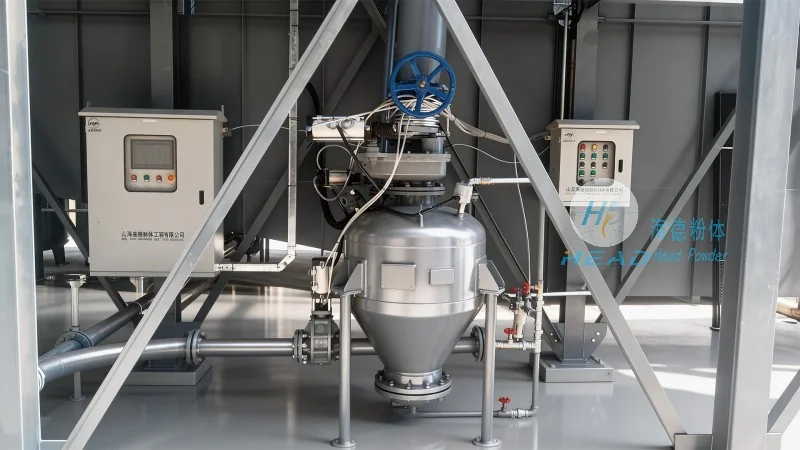
Introduction to PTFE Material Handling
PTFE material handling involves the use of PTFE-coated or PTFE-based components in conveyor systems, hoppers, chutes, and other equipment used to move bulk materials. These materials can include powders, granules, or other particulate substances that require specialized handling to prevent contamination, degradation, or equipment wear. The primary goal of PTFE material handling is to ensure efficient, safe, and reliable material transport while maintaining the integrity of the material being handled.
Key Design Principles for PTFE Material Handling Systems
The design of PTFE material handling systems is guided by several critical principles that address the unique challenges of the materials being processed. These principles include material compatibility, surface friction management, thermal performance, and structural integrity. Each of these aspects is carefully considered to create a system that can withstand the demands of industrial environments while delivering optimal performance.
Material Compatibility and Chemical Resistance
One of the most significant advantages of PTFE in material handling is its inherent chemical resistance. PTFE is impervious to a wide range of acids, bases, solvents, and other corrosive substances, making it ideal for handling materials that would otherwise degrade or react with conventional materials like metal or rubber. This resistance ensures that the material being transported remains pure and unaffected, which is critical in industries such as pharmaceuticals, food processing, and chemical manufacturing.
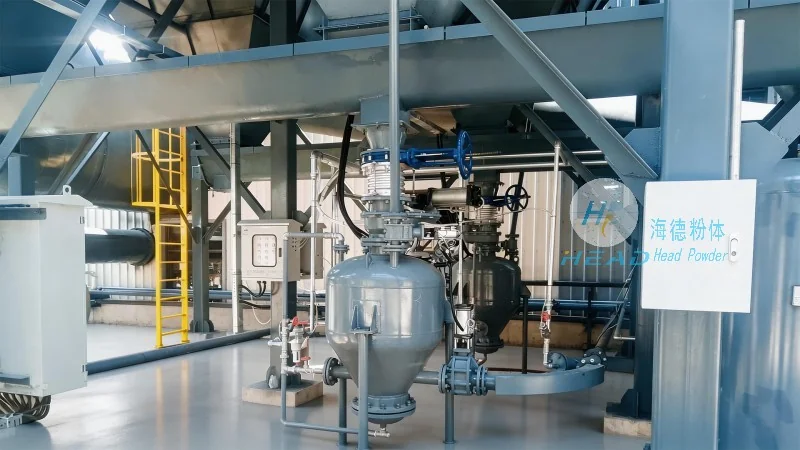
Surface Friction and Non-Stick Properties
PTFE's low coefficient of friction and non-stick surface are key design features that enhance material handling efficiency. By reducing friction between the material and the conveyor surface, PTFE systems minimize material buildup and ensure smooth, continuous flow. This is particularly important for handling sticky or adherent materials, as it prevents clogging and reduces the need for frequent cleaning or maintenance. The non-stick property also helps in preventing material contamination, as it prevents the material from adhering to the equipment surfaces.
Thermal Stability and Temperature Range
PTFE material handling systems are engineered to operate over a wide temperature range, typically from -200°C to +260°C. This thermal stability is essential for applications involving heat-sensitive materials or those that require high-temperature processing. The ability to maintain performance under extreme temperature conditions ensures that the system remains reliable and efficient, even in demanding industrial environments.
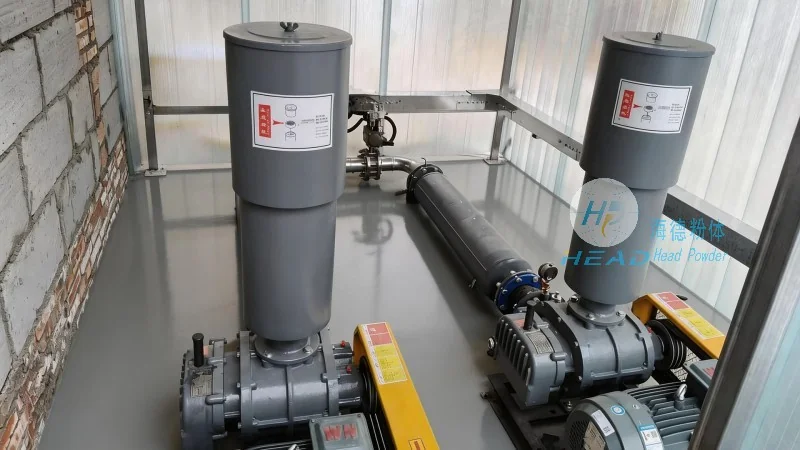
Structural Design and Durability
The structural design of PTFE material handling equipment focuses on durability and long-term performance. Components are often reinforced with metal or composite materials to provide strength and support, while the PTFE coating or lining provides the necessary chemical and thermal resistance. This combination ensures that the equipment can withstand the mechanical stresses of material handling, such as impact, abrasion, and vibration, without compromising its performance.
Applications of PTFE Material Handling
PTFE material handling systems are widely used in various industries, including chemical processing, pharmaceuticals, food and beverage, and aerospace. They are particularly suited for handling materials that are sensitive to contamination or degradation, such as pharmaceutical powders, food ingredients, and specialized chemicals. The systems are also used in applications that require high purity and low friction, such as in the production of electronic components or in research and development laboratories.
Conclusion
In summary, PTFE material handling systems are advanced solutions designed to address the unique challenges of transporting and managing challenging materials. By leveraging the exceptional properties of PTFE, these systems offer superior performance, reliability, and durability in industrial applications. The design principles that guide these systems—such as material compatibility, surface friction management, thermal stability, and structural integrity—ensure that they can meet the demanding requirements of modern manufacturing processes.