

What is Ferric Sulfate Material Handling? What Are the Design Principles?
When it comes to the efficient and safe transport of ferric sulfate, understanding the underlying principles and system design is crucial. Ferric sulfate, a common chemical compound used in water treatment and industrial processes, requires specialized handling to ensure optimal performance and operational safety. This article explores the fundamentals of ferric sulfate material handling and the key design principles that underpin effective transport systems.
Understanding Ferric Sulfate and Its Handling Requirements
Ferric sulfate, also known as iron(III) sulfate, is a crystalline solid that is typically stored and transported in bulk quantities. Its handling involves several critical considerations, including chemical stability, moisture sensitivity, and the need for controlled environments to prevent degradation or hazardous reactions. The design of material handling systems for ferric sulfate must address these factors to ensure reliable and safe operation.
Key Design Principles for Efficient Ferric Sulfate Transport Systems
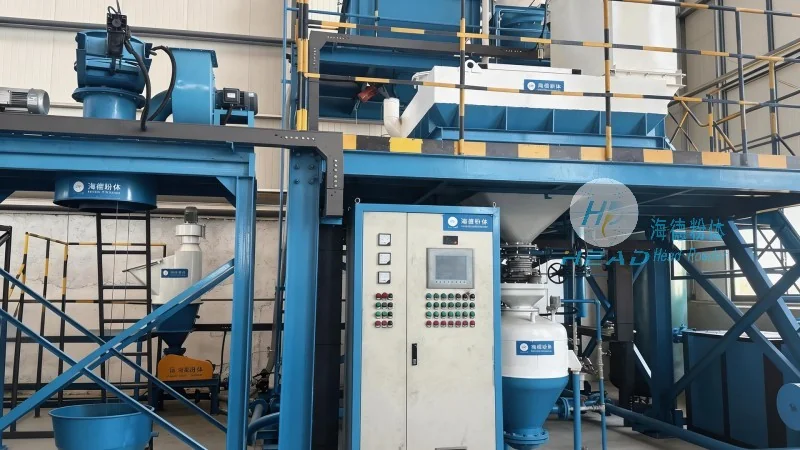
Effective ferric sulfate material handling systems are built on several core design principles. First, the system must prioritize containment and dust control, as ferric sulfate is a fine powder that can generate airborne particles if not properly managed. This involves the use of sealed hoppers, enclosed conveyors, and dust collection systems to minimize exposure and environmental impact. Second, the design must account for the material's flow characteristics. Ferric sulfate can be prone to bridging or caking, which can disrupt flow and cause blockages. Therefore, systems often incorporate vibrators, agitators, or air knives to maintain consistent flow rates. Third, the system must ensure proper mixing and blending, especially when ferric sulfate is used in conjunction with other chemicals. This may involve the use of mixers or blending tanks to achieve uniform compositions before further processing.
Components and Systems in Ferric Sulfate Material Handling
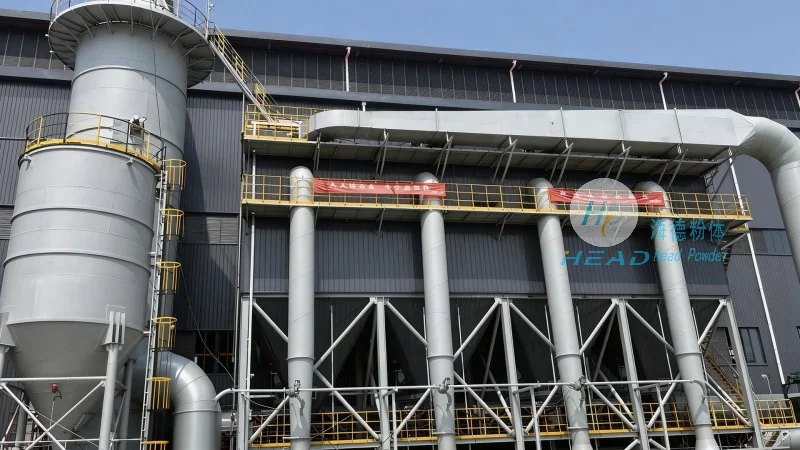
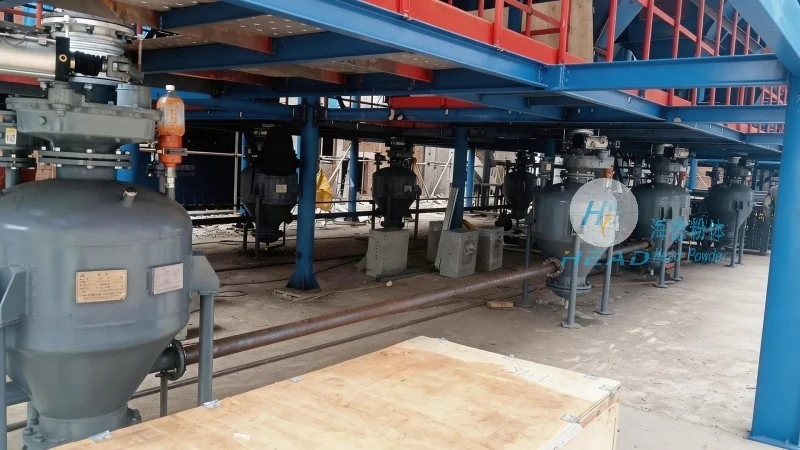
The components of a typical ferric sulfate material handling system include several key elements. The storage silo or hopper is the primary container, usually made of corrosion-resistant materials such as stainless steel or lined carbon steel to withstand the chemical properties of ferric sulfate. The feeding mechanism, often a rotary valve or screw feeder, regulates the flow of material from the storage unit to the conveyor system. The conveyor itself, which may be a belt conveyor, screw conveyor, or pneumatic conveyor, transports the ferric sulfate to the processing or packaging area. For bulk handling, pneumatic conveying systems are particularly effective, as they can transport the fine powder over long distances with minimal dust generation. Additionally, the system may include a dust collection system, such as a baghouse or cartridge filter, to capture any airborne particles and ensure compliance with environmental regulations.
Application Scenarios and Practical Considerations
Applications of ferric sulfate material handling range from water treatment plants to industrial manufacturing facilities. In water treatment, ferric sulfate is used as a coagulant to remove impurities and suspended solids from water. The material handling system must be designed to deliver the correct dosage of ferric sulfate to the treatment process, ensuring consistent performance. In industrial manufacturing, ferric sulfate may be used as a catalyst or additive in chemical reactions. The handling system must be able to handle varying batch sizes and maintain the purity of the material. Practical considerations include the need for easy access for maintenance, proper grounding to prevent static buildup, and the ability to integrate with existing plant infrastructure. Additionally, the system must be designed for scalability, allowing for future expansion as production needs grow.
About HeadPowder Engineering Co., Ltd.
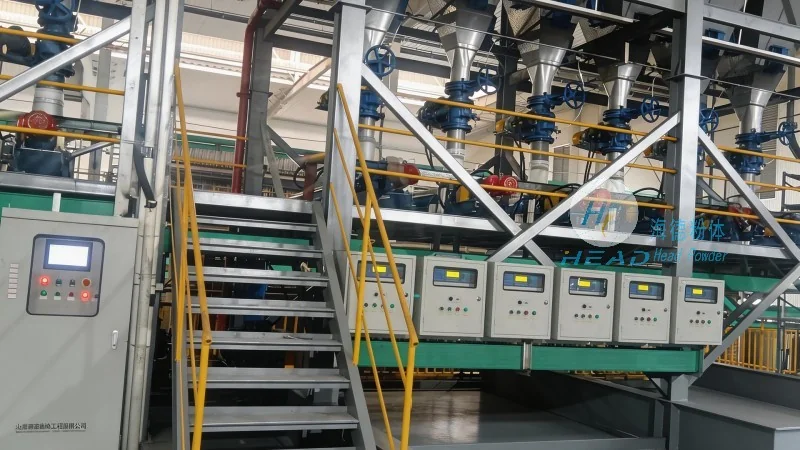
HeadPowder Engineering Co., Ltd., a leading provider of material handling solutions, specializes in designing and manufacturing systems tailored to the unique needs of ferric sulfate and other chemical compounds. With years of experience in the industry, HeadPowder has developed a deep understanding of the challenges associated with handling ferric sulfate, including its chemical properties, flow characteristics, and environmental considerations. The company's team of engineers and technicians work closely with clients to develop customized solutions that meet their specific requirements. HeadPowder's facilities are located in Shandong, China, where the company leverages advanced manufacturing techniques and quality control processes to ensure the highest standards of performance and reliability. By partnering with HeadPowder, clients can benefit from expert guidance and innovative solutions that enhance the efficiency and safety of their ferric sulfate material handling operations.