

What is Calcium Phosphate Material Handling? What Are the Design Principles?
Calcium phosphate material handling is a specialized process in the industrial sector that focuses on the efficient and safe transportation of calcium phosphate materials. This type of material handling is crucial for various applications, including the production of fertilizers, pharmaceuticals, and food additives, where the quality and integrity of the calcium phosphate product must be maintained throughout the handling and processing stages. The design principles behind calcium phosphate material handling systems are tailored to address the unique properties of calcium phosphate, such as its potential to agglomerate, its reactivity with moisture, and its varying particle sizes. These principles ensure that the material is handled in a way that minimizes degradation, contamination, and loss, while optimizing the overall efficiency of the material flow.
Understanding the Core Components of Calcium Phosphate Material Handling Systems
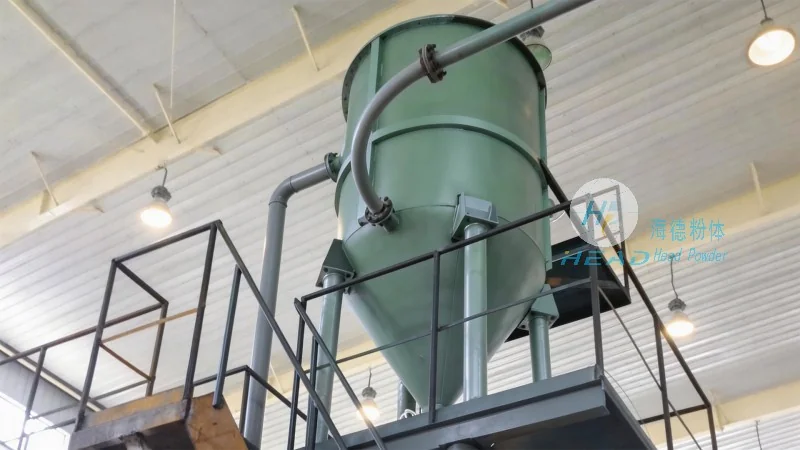
The design of calcium phosphate material handling systems typically involves several key components that work together to ensure effective material transport. These components include feeders, conveyors, storage silos, and control systems. Feeders are used to regulate the flow of calcium phosphate from storage silos to the processing equipment, ensuring a consistent and controlled feed rate. Conveyors, such as belt conveyors or screw conveyors, are then used to transport the material from one location to another within the facility. Storage silos are designed to store the calcium phosphate in a way that prevents caking and maintains the material's quality. Control systems, often integrated with sensors and automation technology, monitor the flow rates, levels, and other parameters to ensure the system operates optimally and safely.
Key Design Principles for Calcium Phosphate Material Handling
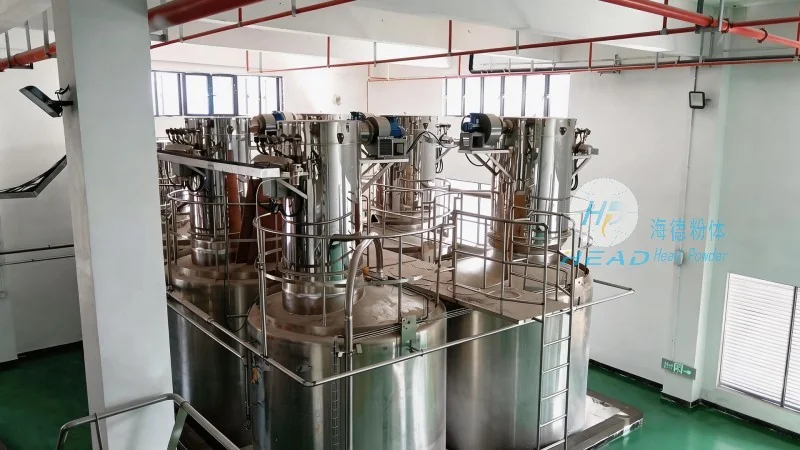
Several design principles are critical when developing calcium phosphate material handling systems. One of the primary principles is to minimize the exposure of the material to moisture and air, as calcium phosphate can be hygroscopic and may react with moisture, leading to caking or degradation. Therefore, systems are often designed with enclosed conveyors and storage silos to protect the material from environmental factors. Another important principle is to prevent material degradation due to abrasion or impact. This is achieved by using appropriate materials for the conveyor components, such as stainless steel or special coatings, and by designing the system to minimize the impact forces on the material. Additionally, the design must consider the varying particle sizes of calcium phosphate, as different particle sizes may require different handling methods to ensure uniform flow and prevent blockages. The system is also designed to allow for easy cleaning and maintenance to prevent cross-contamination and ensure long-term operation.
The Role of Material Properties in Designing Effective Handling Solutions
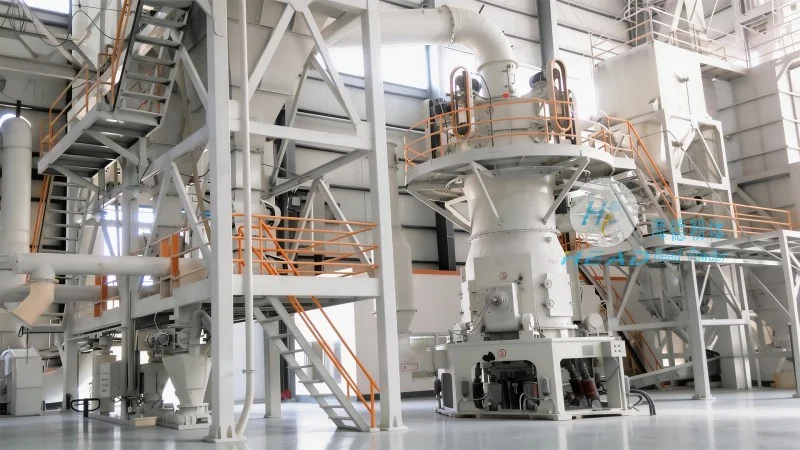
The physical and chemical properties of calcium phosphate significantly influence the design of material handling systems. For instance, calcium phosphate is often a fine powder or granule, which can lead to issues like dust generation and air entrainment during handling. To address this, systems may incorporate dust collection and air filtration systems to maintain a clean and safe working environment. The material's reactivity with other substances, such as acids or bases, also plays a role in the design, as the system must be constructed from materials that are compatible with the calcium phosphate and any potential contact with other chemicals. Furthermore, the material's density and flow characteristics are considered to determine the appropriate conveyor type and speed, ensuring that the material moves smoothly without causing excessive wear or energy consumption.
Applications and Industries Utilizing Calcium Phosphate Material Handling
Calcium phosphate material handling systems are widely used in various industries that rely on calcium phosphate as a raw material. In the fertilizer industry, for example, calcium phosphate is used as a source of phosphorus for plant growth, and the material handling systems ensure that the product is transported efficiently from the production facility to the end user. In the pharmaceutical industry, calcium phosphate is used as an excipient or active ingredient in various medications, and the handling systems must maintain the purity and stability of the material throughout the process. Similarly, in the food industry, calcium phosphate is used as a food additive for its nutritional and functional properties, and the material handling systems ensure that the product remains safe and suitable for consumption. Each of these industries has specific requirements for the material handling system, such as the need for sterile conditions or the ability to handle large volumes of material, which are addressed through customized design solutions.
Conclusion: The Importance of Proper Design in Calcium Phosphate Material Handling
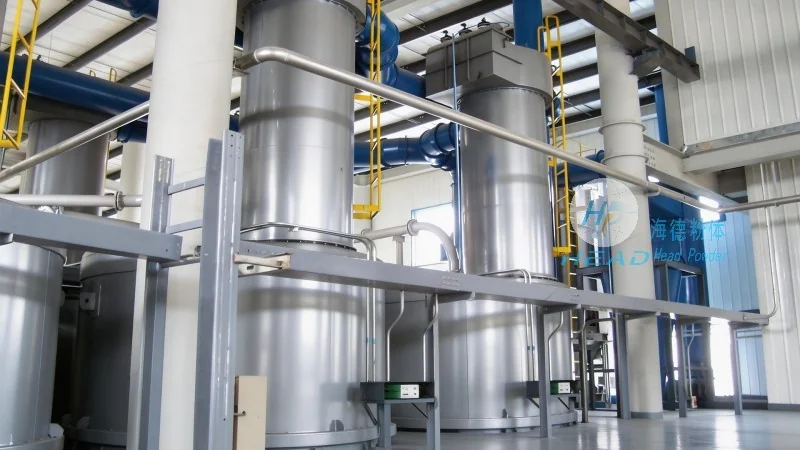
Proper design of calcium phosphate material handling systems is essential for ensuring the efficiency, safety, and quality of the material handling process. By considering the unique properties of calcium phosphate and applying appropriate design principles, such as moisture control, material protection, and flow optimization, industrial facilities can achieve reliable and cost-effective material transport. The systems designed by companies like Shandong HeadPowder Engineering Co., Ltd. in China address these challenges and provide tailored solutions for various applications, helping industries maintain the integrity of their calcium phosphate products and meet their operational goals. With the right design and implementation, calcium phosphate material handling systems can significantly improve the overall performance of industrial processes and contribute to the success of the end products.