

What is Kaolin Material Handling? What are the Design Principles?
Understanding the efficient and effective handling of kaolin—a key industrial mineral—requires a deep dive into the design principles and operational strategies that underpin modern material handling systems. Kaolin, known for its high purity and versatile applications in ceramics, paper, and coatings, demands specialized equipment and processes to ensure optimal performance and product integrity. This article explores the fundamental aspects of kaolin material handling, focusing on the engineering principles that guide the design and implementation of robust systems.
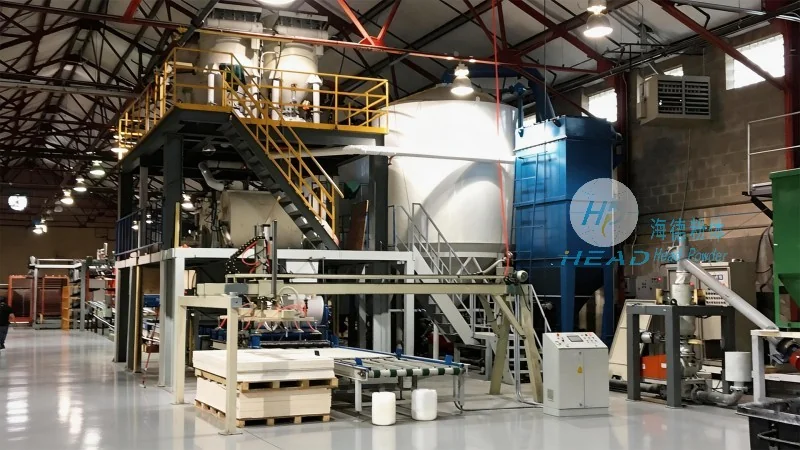
Key Design Principles for Kaolin Material Handling
The design of kaolin material handling systems is governed by several critical principles that ensure safety, efficiency, and product quality. First, the principle of minimizing material degradation is paramount. Kaolin particles are often delicate and prone to attrition, so systems must incorporate gentle handling mechanisms such as low-speed conveyors, soft-edged hoppers, and enclosed transfer points to prevent breakage and maintain particle size distribution. Second, the principle of dust control is essential due to kaolin's fine particle nature. Effective dust suppression systems, including sealed enclosures, air filtration units, and moisture control measures, are integrated into the design to comply with environmental regulations and protect worker health. Third, the principle of scalability and adaptability is crucial, as kaolin processing plants may need to adjust production volumes or product specifications over time. Modular design approaches, flexible conveyor configurations, and adjustable storage solutions enable these systems to evolve with changing operational needs.
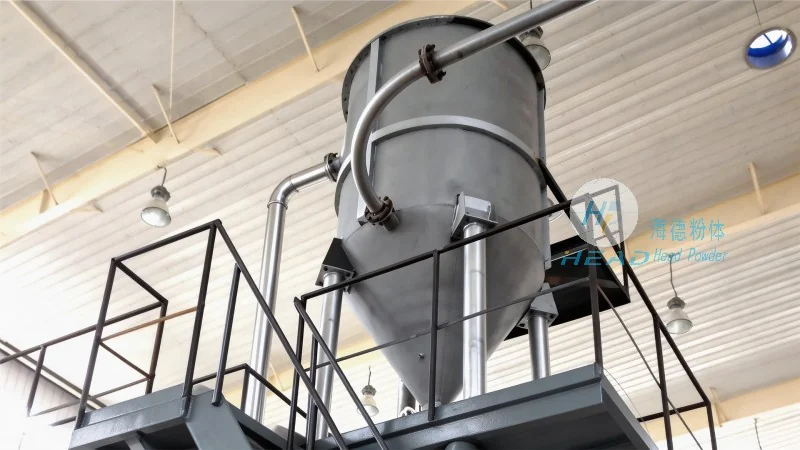
Components of a Typical Kaolin Material Handling System
A comprehensive kaolin material handling system typically consists of several interconnected components, each playing a vital role in the overall workflow. The primary components include: 1. **Feed Hoppers and Storage Silos**: These structures are designed to store large quantities of kaolin while maintaining consistent material flow. They often feature sloped walls and agitators to prevent material bridging and ensure smooth discharge. 2. **Conveying Equipment**: Conveyors are the backbone of material movement, with options ranging from belt conveyors for bulk transport to pneumatic conveying systems for fine powders. Belt conveyors are preferred for their durability and ability to handle large volumes, while pneumatic systems excel at transporting kaolin over longer distances with minimal dust generation. 3. **Screening and Classification Equipment**: To meet specific product specifications, kaolin may need to be screened to remove oversized particles or classify it into different size fractions. Vibrating screens or air classifiers are commonly used to achieve this, ensuring that only the desired particle size range is processed further. 4. **Drying and Conditioning Units**: Kaolin is often processed at moisture levels that affect its handling properties. Drying ovens or rotary dryers may be integrated to reduce moisture content, while conditioning systems (such as rotary mixers) help achieve uniform moisture distribution before downstream processing. 5. **Packaging and Discharge Systems**: The final stage involves packaging the processed kaolin into bags or containers for shipment. Automated bagging machines or bulk loading systems are used to ensure accurate and efficient discharge, with features like weight sensors and sealing mechanisms to maintain product integrity.
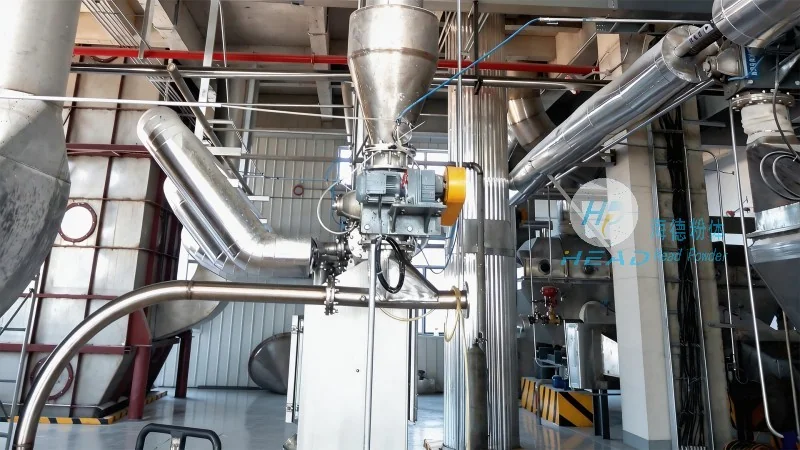
Engineering Considerations for Kaolin Material Handling
Engineers designing kaolin material handling systems must consider several technical factors to optimize performance and longevity. One critical consideration is the material's flow properties, which are influenced by moisture content, particle size, and surface characteristics. Kaolin's cohesive nature can lead to bridging or rat-holing in hoppers, so the design incorporates anti-bridging devices (such as air cannons or vibrators) to maintain consistent flow. Another key factor is the system's ability to handle varying particle sizes and densities. Kaolin can range from fine powders to coarse aggregates, requiring equipment that can accommodate these variations without compromising efficiency. Additionally, the system must be designed for easy maintenance and cleaning to prevent contamination and ensure long-term operation. Access panels, removable components, and CIP (Clean-In-Place) systems are integrated to facilitate routine maintenance and meet stringent hygiene standards.
Case Study: A Real-World Application by Shandong HeadPowder Engineering Co., Ltd.
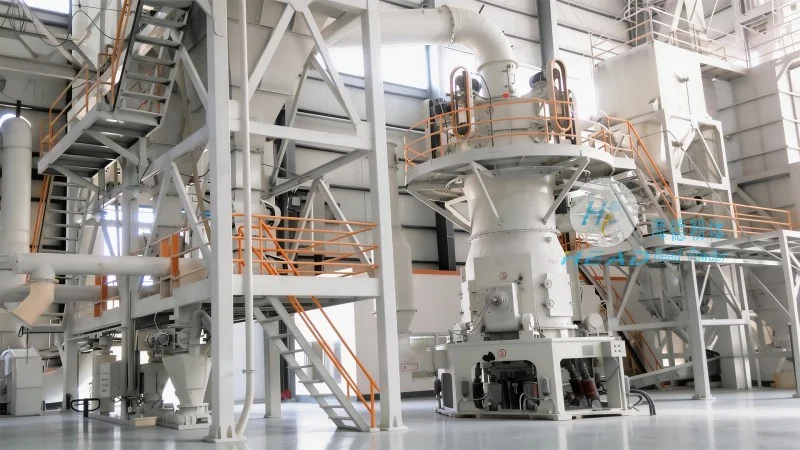
Shandong HeadPowder Engineering Co., Ltd., a leading provider of material handling solutions, has successfully implemented a kaolin material handling system for a major ceramics manufacturer. The project involved designing a fully enclosed, dust-controlled system that could process 500 tons of kaolin per day while meeting strict environmental regulations. The system included a combination of belt conveyors, pneumatic conveying lines, and screening equipment, all integrated with a centralized control panel for real-time monitoring. The design incorporated anti-bridging measures and moisture control to ensure consistent material flow and product quality. The result was a 20% reduction in material loss and a 15% increase in production efficiency compared to the previous system. This case study highlights the importance of tailored engineering solutions in optimizing kaolin material handling operations.
Conclusion: The Importance of Proper Design in Kaolin Material Handling
Effective kaolin material handling is not just about moving the material from one point to another; it is a complex process that requires careful consideration of material properties, operational requirements, and environmental regulations. The design principles outlined above—minimizing degradation, controlling dust, and ensuring scalability—form the foundation of robust systems. By integrating specialized components and engineering best practices, companies can achieve efficient, safe, and cost-effective kaolin processing. As the demand for high-purity kaolin continues to grow, the importance of well-designed material handling systems will only increase, making it essential for industry players to invest in reliable, scalable solutions. For those seeking expert guidance in kaolin material handling, Shandong HeadPowder Engineering Co., Ltd. offers comprehensive design, manufacturing, and installation services tailored to meet the unique needs of each client.