

Comparison of Common Carbon Fiber Conveying Methods: Advantages and Disadvantages
Carbon fiber, a high-performance material prized for its exceptional strength-to-weight ratio and excellent thermal and electrical properties, is widely used in aerospace, automotive, and sports equipment manufacturing. Efficient and reliable material handling is crucial for the production process, as carbon fiber powders and fibers require specialized conveying methods to ensure quality and safety. This article provides a detailed comparison of common carbon fiber conveying methods, analyzing their advantages and disadvantages to help manufacturers choose the most suitable solution for their applications.
1. Vacuum Conveying for Carbon Fiber
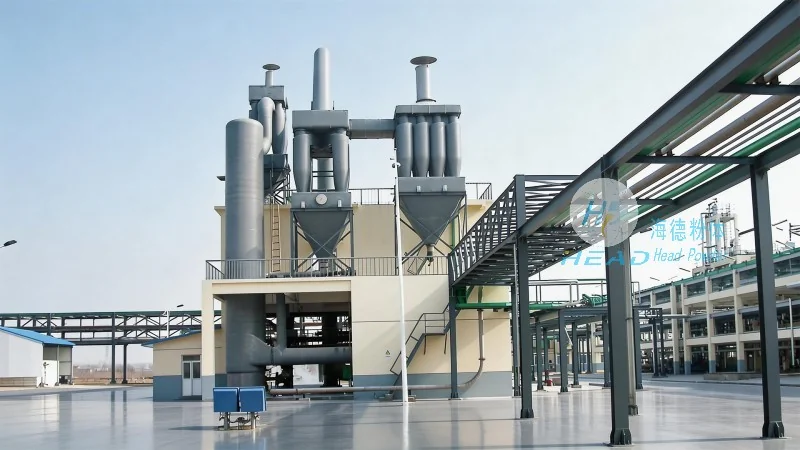
Vacuum conveying is a popular method for transporting fine carbon fiber powders and short fibers. It operates by creating a negative pressure in a pipeline, drawing material from a hopper or storage container into the system. The primary advantage of vacuum conveying is its ability to handle fine powders without the need for mechanical agitation, which can cause agglomeration or damage to the fibers. This method is also gentle on the material, preserving its quality and reducing the risk of contamination. However, vacuum systems have limitations in terms of distance and material volume. They are typically suitable for short-distance transfers (usually under 50 meters) and moderate material quantities. The system also requires regular maintenance to prevent clogging and ensure consistent performance. Additionally, the initial investment for vacuum equipment can be higher compared to other methods, and the energy consumption is relatively higher due to the continuous operation of vacuum pumps.
2. Pneumatic Conveying (Air-Lift) for Carbon Fiber
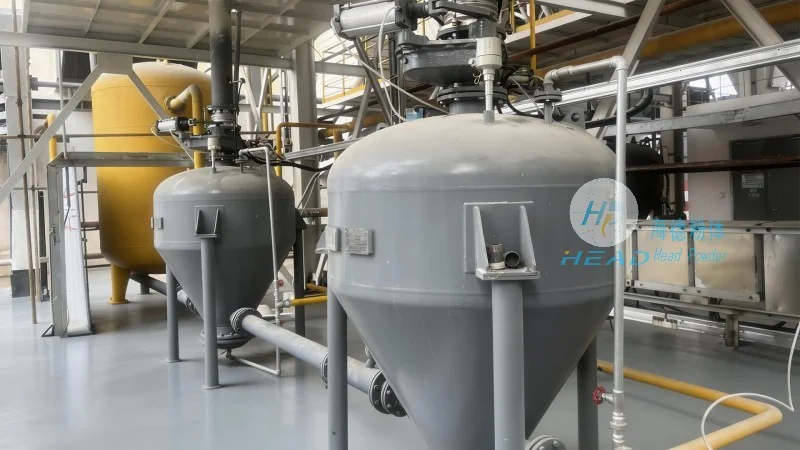
Pneumatic conveying, also known as air-lift or pressure conveying, uses compressed air to transport carbon fiber materials. This method is suitable for both fine powders and longer fibers, as the air flow can effectively move the material through the pipeline. One of the key advantages of pneumatic conveying is its ability to handle longer distances (up to several hundred meters) and larger material volumes compared to vacuum systems. It also allows for the integration of multiple transfer points and can be combined with other processing equipment, such as mixers or classifiers. However, pneumatic conveying can be more aggressive on the material, potentially causing fiber breakage or abrasion, especially with abrasive carbon fiber types. The system also requires a higher air pressure, which increases energy consumption and may lead to higher operational costs. Furthermore, the presence of air in the system can lead to oxidation of the carbon fibers if not properly controlled, affecting their performance in end-use applications.
3. Screw Conveying for Carbon Fiber
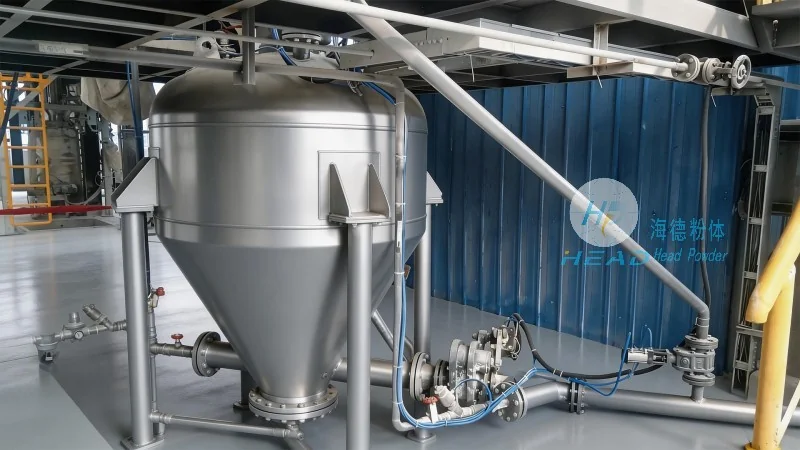
Screw conveying, or auger conveying, is a mechanical method that uses a rotating screw to move carbon fiber materials through a tube or trough. This method is commonly used for bulk carbon fiber powders and is particularly effective for horizontal or slightly inclined transfers. The main advantage of screw conveying is its simplicity and low maintenance requirements. It can handle a wide range of material types and volumes, and the system is relatively inexpensive to install and operate. Screw conveyors are also suitable for continuous material flow, making them ideal for production lines that require steady material supply. However, screw conveying is not suitable for fine powders or fibers that can easily clog the screw or the tube. The method can also cause material degradation due to friction and compression, especially with long fibers, which may affect their mechanical properties. Additionally, the system has limitations in terms of distance and can be prone to blockages if the material is not properly prepared or if the screw speed is not optimized.
4. Belt Conveying for Carbon Fiber
Belt conveying is a common method for transporting larger carbon fiber components or pellets, such as pre-impregnated carbon fiber sheets or molded parts. This method uses a continuous belt to move the material from one point to another, typically over longer distances. The primary advantage of belt conveying is its ability to handle large volumes of material and heavy loads, making it suitable for high-throughput production lines. It also provides a stable and consistent transfer, reducing the risk of material spillage or loss. However, belt conveying is not suitable for fine powders or fibers, as the material can easily fall through the belt or cause wear and tear on the belt surface. The system requires regular maintenance to replace the belt and ensure proper alignment, which can increase operational costs. Additionally, the method can be affected by temperature changes, as the belt material may expand or contract, affecting the transfer efficiency. The initial investment for belt conveyors is also higher compared to other methods, and the system may require additional equipment, such as idlers and pulleys, to support the belt and maintain tension.
5. Comparison Summary and Recommendations
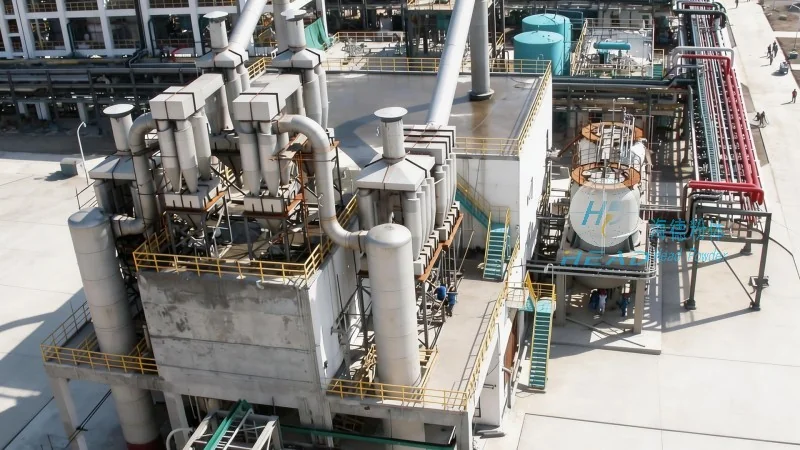
When choosing a carbon fiber conveying method, manufacturers must consider several factors, including the material type (powder, fiber, or component), the transfer distance, the required material volume, and the operational environment. Vacuum conveying is ideal for fine powders and short fibers over short distances, while pneumatic conveying is suitable for longer distances and larger volumes. Screw conveying is a cost-effective option for bulk powders, and belt conveying is best for larger components. The choice of method should also take into account the material's sensitivity to handling, as some carbon fibers may require gentler methods to preserve their properties. For manufacturers seeking reliable and efficient carbon fiber conveying solutions, Shandong HeadPowder Engineering Co., Ltd. offers a range of specialized equipment and services tailored to meet their specific needs. Our team of experts can provide customized solutions, from system design and installation to maintenance and support, ensuring optimal performance and long-term reliability.