

What is Silica Material Handling? What are the Design Principles?
HeadPowder, a leading engineering company based in Shandong, China, specializes in providing comprehensive solutions for silica material handling. Understanding the design principles behind these systems is crucial for optimizing efficiency and ensuring safe operation in various industrial applications.
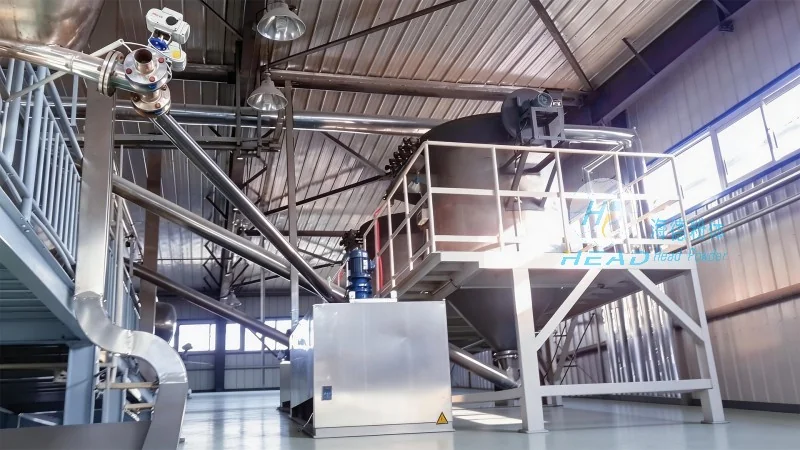
Understanding Silica Material Handling Systems
Silica, or silicon dioxide, is a widely used material in industries such as glass manufacturing, pharmaceuticals, and construction. Its handling requires specialized equipment and systems to ensure efficient transport from storage to processing areas. The design of silica material handling systems involves careful consideration of several factors, including the physical properties of the material, the scale of operation, and the specific requirements of the end-use application.
Key Design Principles for Silica Material Handling
The design of silica material handling systems is guided by several core principles aimed at maximizing performance, safety, and cost-effectiveness. First, the system must accommodate the unique characteristics of silica, such as its particle size distribution, moisture content, and flowability. For example, fine-grained silica may require more gentle handling to prevent agglomeration, while coarser particles might need higher conveying speeds to maintain flow. Second, the system should be scalable to handle varying production volumes, with components that can be adjusted or expanded as needed. Third, energy efficiency is a critical consideration, as silica handling often involves continuous operation and significant power consumption. Engineers typically optimize system designs to minimize energy use while maintaining required throughput.
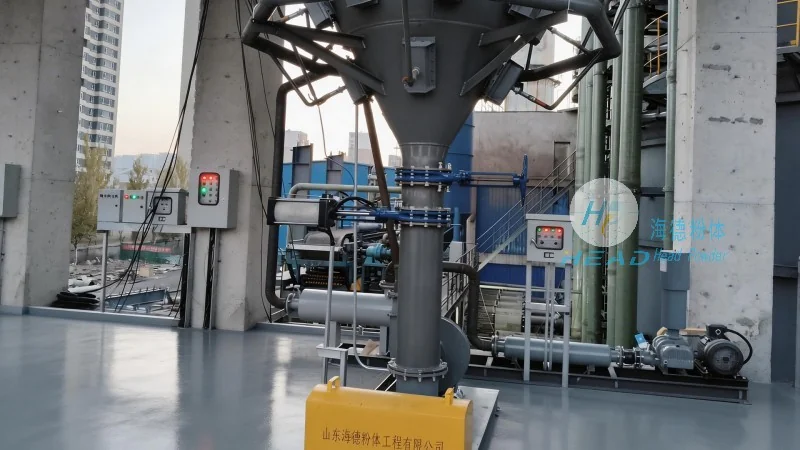
Components and Their Roles in Silica Material Handling
Silica material handling systems typically consist of several key components, each playing a vital role in the overall operation. The primary components include: 1. **Feeding and Inlet Systems**: These devices ensure that silica is introduced into the system in a controlled manner, preventing overloading or uneven flow. Common feeding mechanisms include hoppers, vibratory feeders, and rotary valves. 2. **Conveying Equipment**: This is the core of the system, responsible for transporting silica from one location to another. Common types include screw conveyors, pneumatic (air) conveyors, and belt conveyors. Screw conveyors are ideal for horizontal or slight incline transport, while pneumatic systems are suitable for long-distance or high-velocity transport. 3. **Unloading and Discharge Systems**: These components direct the silica from the conveyor to its final destination, such as a storage silo or processing equipment. Unloading mechanisms may include rotary valves, gate valves, or pneumatic actuators. 4. **Control and Monitoring Systems**: Modern silica handling systems incorporate sensors and control panels to monitor parameters like flow rate, pressure, and temperature. These systems allow operators to adjust settings in real-time, ensuring optimal performance and preventing issues like blockages or overfilling.
Optimizing Material Flow and Efficiency
Efficient material flow is essential for maintaining consistent production rates and minimizing downtime. Designers employ several strategies to achieve this, including: - **Proper Sizing of Components**: The diameter of screw conveyors and the size of pneumatic lines are carefully selected based on the expected flow rate and particle size. For instance, a larger screw diameter may be needed for handling coarser silica to prevent clogging. - **Inclination and Slope Management**: The angle of the conveyor system is optimized to balance the force of gravity with the friction of the material, ensuring smooth movement without excessive stress on the equipment. - **Preventing Agglomeration**: Silica can clump together, especially when moist, which can cause blockages. Designers may incorporate drying or anti-agglomeration measures, such as heat treatment or the use of anti-stick coatings on equipment surfaces. - **Integration of Multiple Systems**: For complex processes, combining different types of conveyors (e.g., screw and pneumatic) allows for flexible and efficient material transport across different stages of production.
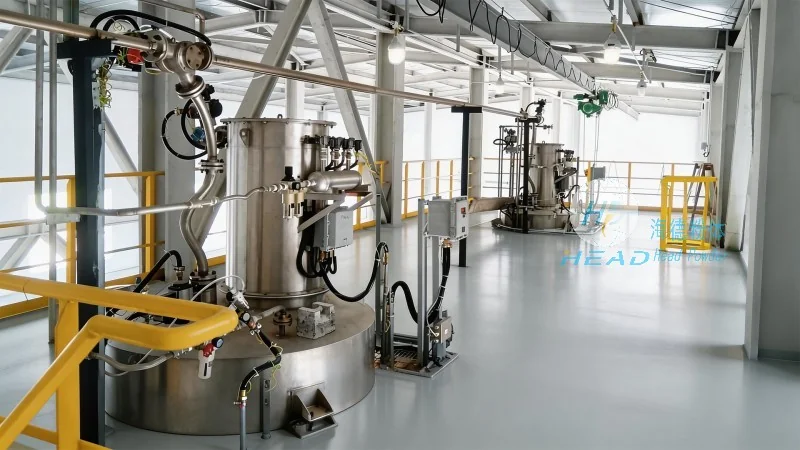
Safety and Environmental Considerations
Ensuring the safety of operators and protecting the environment are paramount in silica material handling system design. Key safety considerations include: - **Dust Control**: Silica dust can be hazardous to human health, so systems are equipped with dust collection and filtration systems to capture and remove airborne particles. - **Mechanical Safety**: Components like conveyor belts and moving parts are enclosed or guarded to prevent accidental contact. Emergency stop buttons and interlocks are also standard features. - **Fire and Explosion Prevention**: For systems handling combustible materials or in environments with high temperatures, explosion-proof designs and fire suppression systems are implemented. Environmental considerations focus on reducing waste and minimizing the impact of operations. This includes proper waste disposal of silica residues and ensuring that the system operates within regulatory limits for emissions and noise.
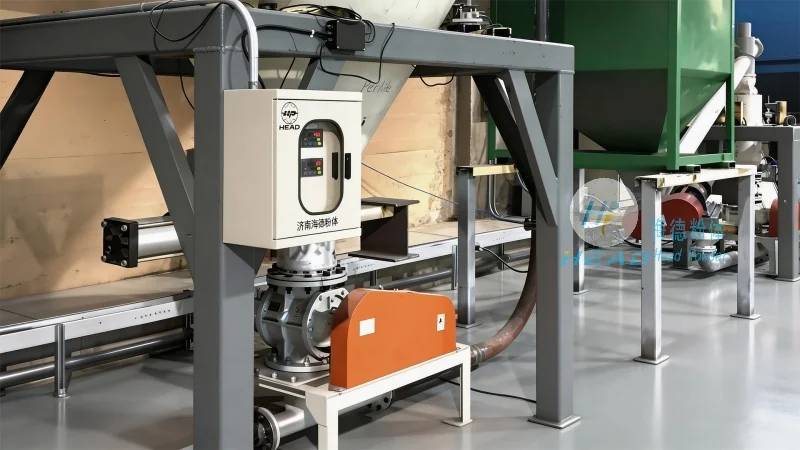
Case Study: HeadPowder's Silica Handling Solutions
HeadPowder has extensive experience in designing and implementing silica material handling systems tailored to the specific needs of its clients. For example, a client in the glass manufacturing industry required a high-capacity system to transport silica from storage silos to the furnace. HeadPowder's engineering team conducted a thorough analysis of the client's production requirements, including the desired throughput, particle size, and environmental constraints. The solution involved a combination of a large-capacity screw conveyor for initial transport and a pneumatic conveying system for the final stage, with integrated sensors to monitor flow rates and particle size distribution. The system was designed to operate continuously at high efficiency, with minimal maintenance requirements. The client reported a significant reduction in downtime and an increase in production output after implementing the new system. Another case involved a pharmaceutical client who needed a cleanroom-compatible silica handling system to ensure product purity. HeadPowder designed a fully enclosed system with HEPA filtration and stainless steel components, meeting the stringent regulatory requirements of the pharmaceutical industry.
Conclusion
Silica material handling systems are critical to the efficiency and safety of many industrial processes. The design principles outlined above, combined with the expertise of companies like HeadPowder, ensure that these systems operate at peak performance. By focusing on material properties, system scalability, energy efficiency, and safety, engineers can create robust solutions that meet the evolving needs of modern industries. As demand for silica continues to grow, the importance of well-designed material handling systems will only increase, making it essential for businesses to invest in reliable and efficient solutions.