

What is a Rice Husk Material Handling System? And What Are Its Design Principles?
Understanding the rice husk material handling system is crucial for industries dealing with agricultural byproducts, particularly in the processing of rice husks. This system is engineered to efficiently transport, store, and manage rice husk materials, which are commonly used as fuel, animal bedding, or in the production of other value-added products. The design principles behind such systems are centered on optimizing efficiency, ensuring safety, and maximizing the utilization of raw materials.
Key Components of a Rice Husk Material Handling System
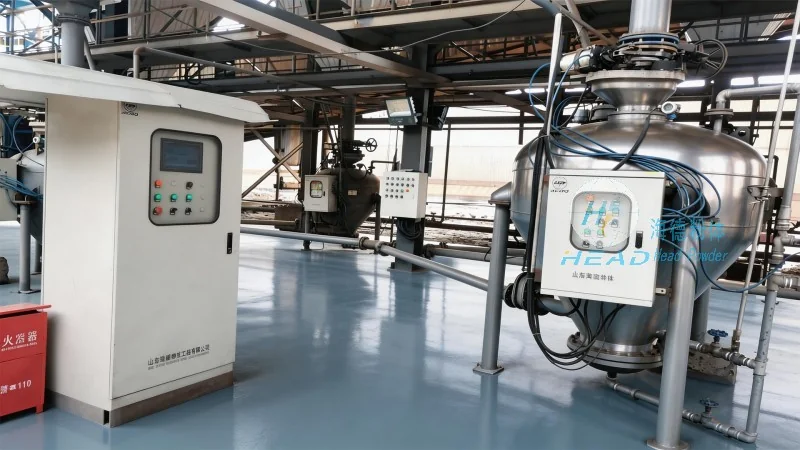
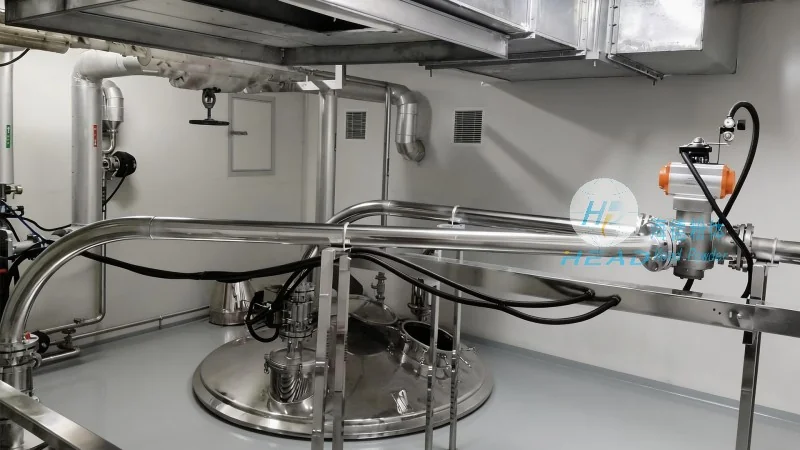
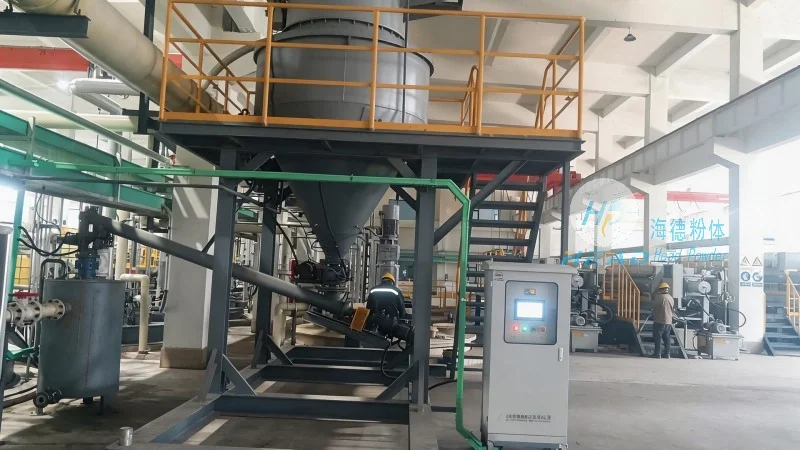
A typical rice husk material handling system comprises several key components that work in tandem to achieve seamless material flow. These components include feeders, conveyors, storage silos, and control systems. Feeders are responsible for uniformly feeding rice husks into the system, while conveyors—such as belt conveyors, screw conveyors, or pneumatic conveyors—transport the material to the desired location. Storage silos are used to store the processed rice husks, ensuring a steady supply for downstream processes. Control systems, often equipped with sensors and automation, monitor and regulate the entire operation, enhancing operational reliability and reducing human error.
Design Principles for Efficient Material Handling
The design principles of a rice husk material handling system focus on several critical aspects to ensure optimal performance. First, the system must be designed to handle the specific physical properties of rice husks, including their size, moisture content, and bulk density. This involves selecting appropriate equipment that can effectively handle the material without causing blockages or degradation. Second, energy efficiency is a key consideration, as rice husks are often used as a renewable energy source. The system should minimize energy consumption during operation, such as through the use of variable speed drives and efficient conveyor designs. Third, safety is paramount, as rice husks can be a fire hazard and may cause dust explosions. The design incorporates features like explosion-proof components, dust suppression systems, and proper ventilation to mitigate these risks. Finally, scalability is important, allowing the system to be expanded or modified as production needs change, ensuring long-term viability.
The Role of HeadPowder in Rice Husk Material Handling Solutions
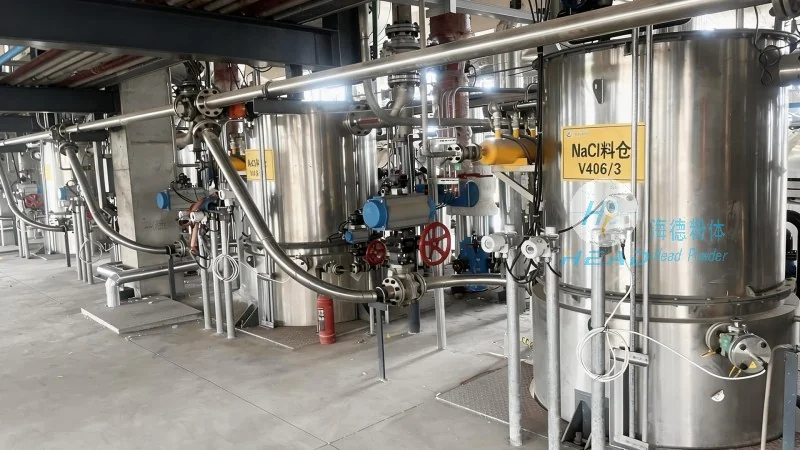
Shandong HeadPowder Engineering Co., Ltd., a leading provider of material handling solutions, specializes in designing and manufacturing customized rice husk material handling systems. With a focus on innovation and customer-centric design, HeadPowder leverages advanced engineering principles to develop systems that meet the unique requirements of each client. The company’s expertise lies in integrating cutting-edge technologies, such as automated control systems and energy-efficient conveyors, to create solutions that enhance productivity while reducing operational costs. HeadPowder’s commitment to quality and safety is evident in its adherence to industry standards and rigorous testing protocols, ensuring that every system delivered is reliable and durable. The company’s headquarters is located in Shandong, China, where it maintains a state-of-the-art research and development facility, enabling continuous improvement and the development of new technologies.