

What is a Distiller's Grain Material Handling System? Design Principles Explained
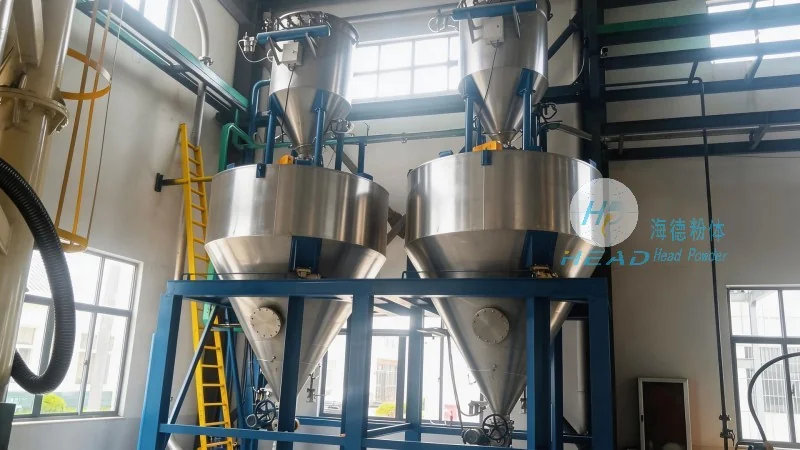
Distiller's grain material handling systems are critical components in the processing industry, particularly for facilities that produce ethanol or other spirits. These systems are engineered to efficiently transport and manage the byproducts of fermentation, such as distiller's grain, which is a valuable feed ingredient. Understanding the design principles behind these systems is essential for optimizing operations, ensuring safety, and maximizing efficiency in material handling processes.
Introduction to Distiller's Grain Material Handling Systems
Distiller's grain, also known as distillers dried grains with solubles (DDGS), is a high-protein feed produced from the fermentation of corn or other grains. The material handling system for distiller's grain involves the collection, drying, and transport of this product from the fermentation and distillation stages to storage or further processing. The design of these systems must address several key challenges, including moisture content, bulk density, and the need for gentle handling to preserve the nutritional value of the product.
Key Components of a Distiller's Grain Material Handling System
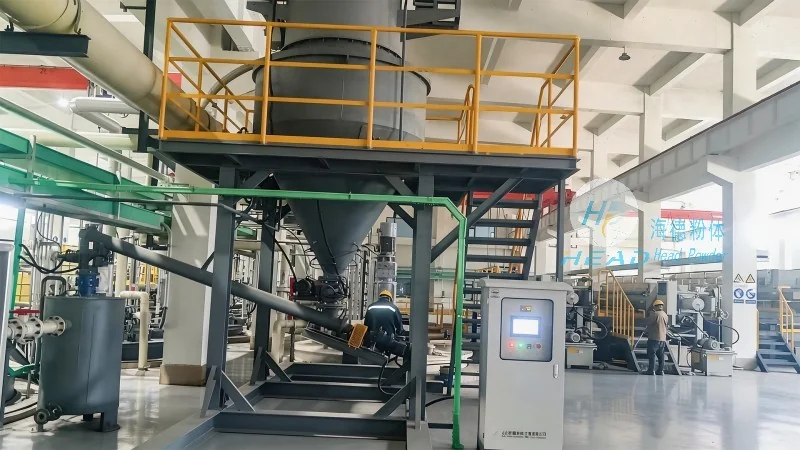
The core components of a distiller's grain material handling system typically include feeders, conveyors, dryers, and storage silos. Feeders are used to control the flow of wet distiller's grain from the fermentation tanks to the drying equipment. Conveyors, such as belt conveyors or screw conveyors, transport the material through the drying process and to storage. Dryers, often rotary or fluidized bed types, reduce the moisture content of the grain to the desired level for storage or sale. Storage silos are used to hold the dried product until it is transported to feed mills or other end-users.
Design Principles for Efficient Material Handling
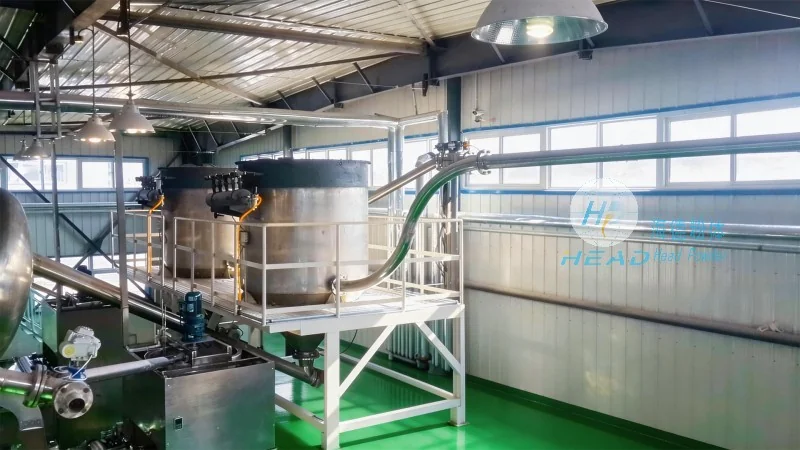
Efficient design of a distiller's grain material handling system relies on several key principles. First, the system must handle the specific physical properties of distiller's grain, including its high moisture content and bulk density. This often requires specialized equipment, such as high-capacity feeders and conveyors capable of handling wet, sticky materials. Second, the system must ensure minimal product degradation. Gentle handling and controlled drying temperatures are crucial to preserve the nutritional value and quality of the distiller's grain. Third, the system must be designed for safety and compliance with industry standards. This includes proper ventilation, dust control, and adherence to regulations related to food and feed production.
HeadPowder Engineering's Expertise in Distiller's Grain Systems
Shandong HeadPowder Engineering Co., Ltd. specializes in the design and manufacturing of advanced material handling systems tailored to the needs of the distillery industry. With a focus on efficiency, durability, and safety, HeadPowder provides customized solutions that meet the unique requirements of each client. The company's expertise lies in integrating the latest technology with proven engineering principles to deliver systems that optimize material flow, reduce energy consumption, and enhance overall operational performance.
Benefits of a Well-Designed Distiller's Grain Material Handling System
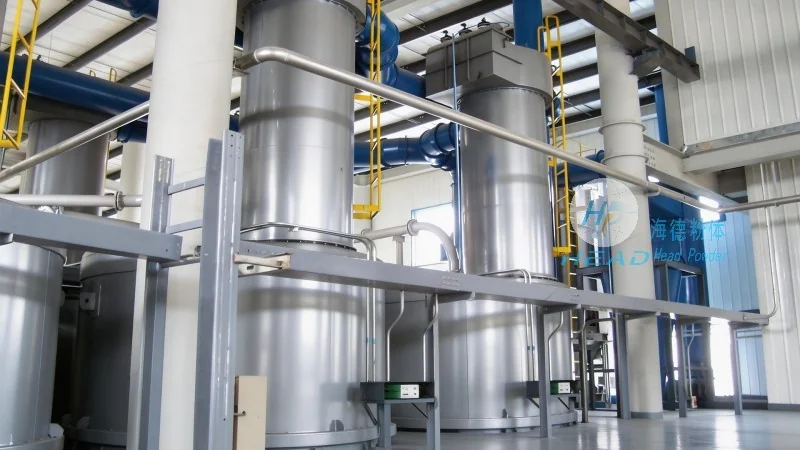
Implementing a well-designed distiller's grain material handling system offers numerous benefits for distilleries. These include improved operational efficiency through optimized material flow, reduced downtime due to equipment reliability, and enhanced product quality through controlled drying and handling. Additionally, such systems contribute to cost savings by minimizing waste and maximizing the value of the distiller's grain as a feed ingredient. The result is a more sustainable and profitable operation for the distillery, ensuring long-term success in the competitive spirits industry.