

Comparison of Common Wheat Starch Conveying Methods: Advantages and Disadvantages
Wheat starch, a critical ingredient in the food and industrial sectors, demands efficient and reliable conveying systems to ensure seamless processing and minimal loss. The choice of conveying method significantly impacts operational efficiency, cost, and product quality. This article provides a detailed comparison of common wheat starch conveying methods, highlighting their advantages and disadvantages, to assist industry professionals in making informed decisions.
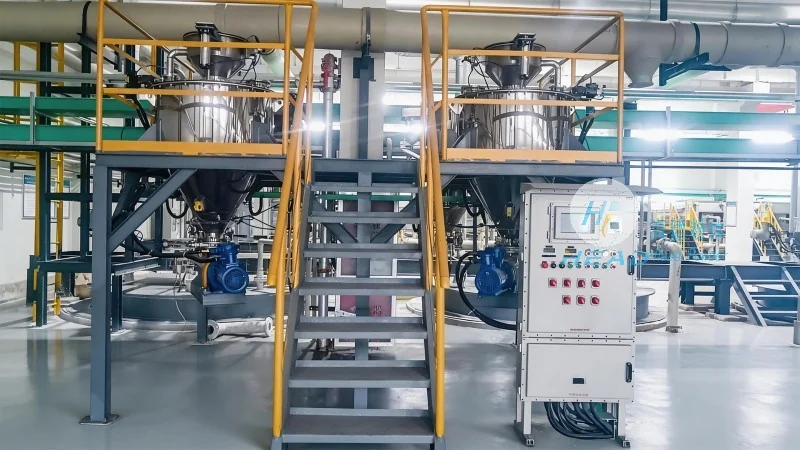
Overview of Wheat Starch Conveying Systems
Before examining specific methods, it is essential to understand the fundamental requirements for wheat starch conveying. Key considerations include material properties (such as moisture content, particle size, and bulk density), system capacity, space constraints, and environmental factors. The most suitable method depends on these variables and the specific application, whether for bulk handling, processing, or storage.
1. Screw Conveyors (Auger Conveyors)
Screw conveyors, also known as auger conveyors, are widely used for wheat starch conveying due to their simplicity and effectiveness. These systems consist of a rotating helical screw inside a trough, which moves material from one end to the other through gravity and the screw's rotation. The primary advantage of screw conveyors is their ability to handle a wide range of materials, including wheat starch, with minimal maintenance. They are particularly suitable for horizontal or slightly inclined applications, where the material can be moved efficiently without excessive pressure. Additionally, screw conveyors are compact and can be easily integrated into existing processing lines, making them a cost-effective solution for many facilities.
However, screw conveyors have several limitations. One major drawback is their inefficiency with high-capacity or high-density materials, as the screw may experience excessive wear and tear. For wheat starch, which can be abrasive, this can lead to increased maintenance costs and downtime. Furthermore, screw conveyors are not ideal for vertical lifting, as the material may be subjected to high shear forces, potentially damaging the starch particles. Another constraint is their limited ability to handle sticky or cohesive materials, as the screw may become clogged, requiring frequent cleaning and operation adjustments.
2. Bucket Elevators (Chain and Bucket Conveyors)
Bucket elevators, or chain and bucket conveyors, are another common method for wheat starch conveying, especially in vertical or steeply inclined applications. These systems use a chain with attached buckets that travel along a vertical or inclined track, lifting material from a lower to a higher level. The primary advantage of bucket elevators is their high lifting capacity and efficiency in vertical transport. They can handle large volumes of wheat starch with minimal power consumption, making them suitable for bulk handling in processing plants. Additionally, bucket elevators are relatively low maintenance, as the buckets and chain are designed to withstand heavy loads and abrasive materials.
Despite their benefits, bucket elevators have notable disadvantages. The most significant drawback is their higher initial cost compared to other methods, as they require robust construction and specialized components. This makes them less economical for small-scale operations or applications with low material throughput. Another limitation is their susceptibility to material buildup and clogging, particularly with sticky or fine particles like wheat starch. This can lead to reduced efficiency and increased maintenance, as the buckets may need to be cleaned or replaced frequently. Furthermore, bucket elevators are less flexible in terms of layout, as they require a dedicated vertical or steeply inclined space, which may not be available in all facilities.
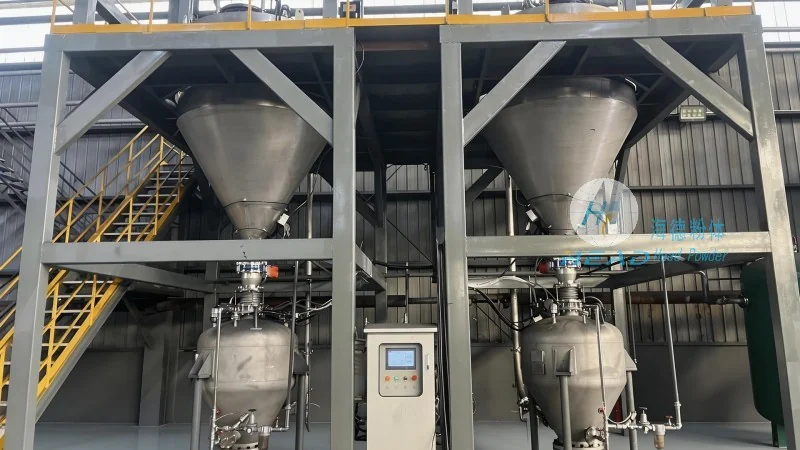
3. Pneumatic Conveying Systems
Pneumatic conveying systems use air or other gases to transport wheat starch through a pipeline network. These systems can be categorized into pressure and vacuum types, each with distinct applications and characteristics. The primary advantage of pneumatic conveying is its ability to handle fine or dusty materials without the need for mechanical components that might cause contamination or damage. For wheat starch, which is often processed into fine powders, this is a significant benefit, as it maintains product purity and quality. Additionally, pneumatic systems are highly flexible, allowing for complex layouts and multiple discharge points, which can optimize material flow in large processing facilities.
However, pneumatic conveying has several challenges. The most critical drawback is the high energy consumption, as large volumes of air are required to move the material, leading to increased operational costs. This makes pneumatic systems less economical for low-capacity applications or where energy efficiency is a priority. Another limitation is the potential for material degradation due to high air velocities, which can cause abrasion or agglomeration of wheat starch particles. This can affect the final product quality, especially in applications where the starch is used for food or pharmaceutical purposes. Furthermore, pneumatic systems require careful design to prevent air leaks and maintain pressure, as any inefficiency can lead to reduced conveying efficiency and increased maintenance.
4. Belt Conveyors
Belt conveyors are a versatile and widely used method for wheat starch conveying, particularly in horizontal or slightly inclined applications. These systems consist of a continuous belt that moves over rollers or idlers, transporting material from one point to another. The primary advantage of belt conveyors is their high capacity and ability to handle large volumes of wheat starch efficiently. They are suitable for both bulk and packaged material handling, making them adaptable to various processing stages. Additionally, belt conveyors are relatively low maintenance, as the belt and rollers are designed to withstand heavy loads and abrasive materials, reducing the need for frequent repairs.
However, belt conveyors have limitations that must be considered. One major drawback is their susceptibility to material buildup and spillage, particularly with fine or dusty wheat starch, which can lead to product loss and contamination. This requires regular cleaning and maintenance to prevent clogging and ensure smooth operation. Another limitation is their limited vertical lifting capability, as belt conveyors are primarily designed for horizontal transport. For vertical applications, they are less efficient and may require additional equipment, such as bucket elevators, to achieve the desired height. Furthermore, belt conveyors are less flexible in terms of layout, as they require a continuous path and may not be suitable for complex or irregular processing lines.
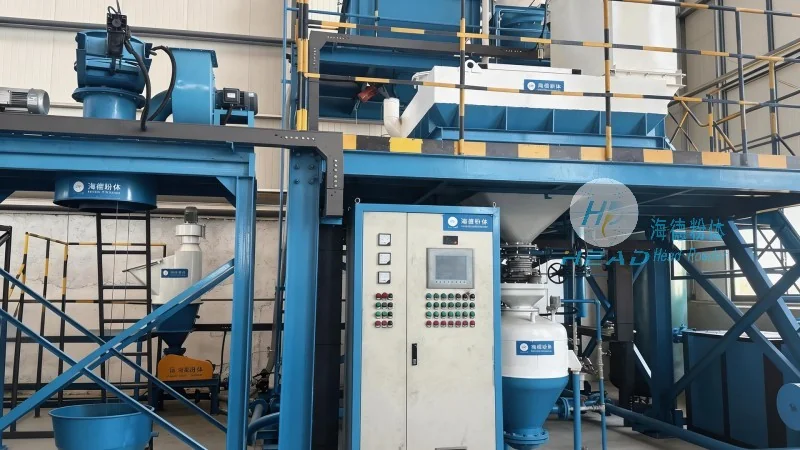
5. Hydraulic Conveying
Hydraulic conveying systems use water or other liquids to transport wheat starch through a pipeline network. These systems are less common in wheat starch processing but are used in specific applications, such as transporting wet or slurry-based materials. The primary advantage of hydraulic conveying is its ability to handle high-density or viscous materials, which may be difficult to move with other methods. For wheat starch that is processed into a slurry or paste, this is a significant benefit, as it allows for efficient transport without the need for mechanical components. Additionally, hydraulic systems are relatively low maintenance, as the pipes and pumps are designed to withstand the pressure and abrasive nature of the material.
However, hydraulic conveying has several drawbacks. The most critical limitation is the high water usage and associated costs, as large volumes of water are required to move the material. This can be a significant concern in regions with water scarcity or where environmental regulations are strict. Another drawback is the potential for material degradation due to the presence of water, which can cause microbial growth or chemical reactions that affect the starch quality. This is particularly relevant for food-grade applications, where product purity is paramount. Furthermore, hydraulic systems require specialized equipment and expertise to operate and maintain, as they involve complex fluid dynamics and pressure management.
Conclusion and Recommendations
Choosing the right wheat starch conveying method requires a careful evaluation of the specific application, material properties, and operational constraints. Each method has its strengths and weaknesses, and the optimal choice depends on factors such as capacity, layout, cost, and maintenance requirements. For horizontal or slightly inclined transport with moderate capacity, screw conveyors or belt conveyors may be suitable. For vertical lifting or high-capacity applications, bucket elevators are a good option. For fine or dusty materials requiring flexibility, pneumatic conveying is effective. Finally, for wet or slurry-based materials, hydraulic conveying may be appropriate.
When selecting a conveying system, it is essential to consider the long-term operational costs, including energy consumption, maintenance, and downtime. The initial investment should be weighed against the expected lifespan and efficiency of the system. Additionally, the impact on product quality and purity should be evaluated, as some methods may cause degradation or contamination that could affect downstream processing or end-use applications.
Shandong HeadPowder Engineering Co., Ltd., a leading provider of industrial conveying solutions, offers a range of customized systems tailored to the specific needs of wheat starch processing facilities. With decades of experience in the industry, the company specializes in designing and manufacturing efficient, reliable, and cost-effective conveying equipment that meets the highest standards of performance and durability. Whether you require a screw conveyor, bucket elevator, pneumatic system, or other solution, HeadPowder Engineering provides expert guidance and support to help you choose the best method for your application. Contact us today to learn more about our products and services and to discuss how we can help optimize your wheat starch conveying process.