

Advantages and Disadvantages of Common Biomass Powder Conveying Methods
When it comes to the efficient handling of biomass powders in industrial applications, selecting the right conveying method is crucial. The choice of equipment directly impacts operational efficiency, cost-effectiveness, and the overall sustainability of the process. This article provides a comparative analysis of common biomass powder conveying methods, highlighting their advantages and disadvantages to help industries make informed decisions.
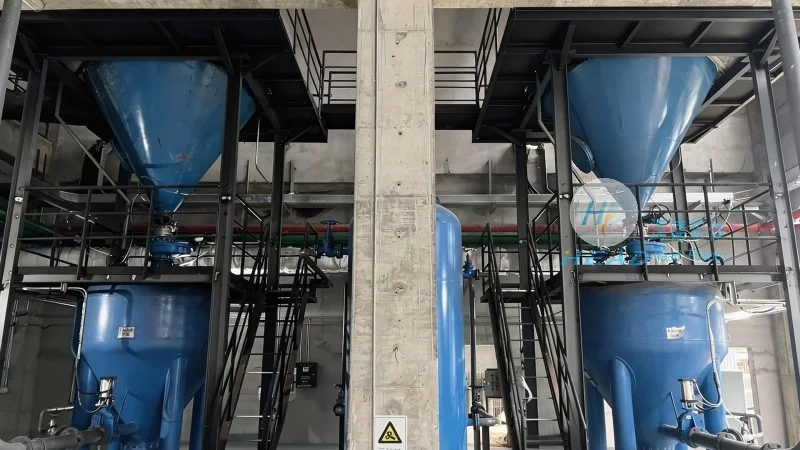
About HeadPowder: Your Trusted Biomass Powder Conveying Solutions Provider
HeadPowder, or Shandong HeadPowder Engineering Co., Ltd., is a leading manufacturer based in Shandong, China. With years of expertise in the field, HeadPowder specializes in providing high-quality conveying solutions tailored to the unique needs of biomass processing industries. Our commitment to innovation and customer satisfaction ensures that our clients receive reliable equipment that enhances productivity and reduces operational costs.
Understanding Biomass Powder Conveying: Key Considerations
Before delving into specific conveying methods, it's essential to understand the key factors that influence the selection of a suitable system. Biomass powders vary in properties such as particle size, moisture content, flowability, and dust generation, which directly affect the performance of different conveying technologies. Additionally, factors like the distance to be covered, the volume of material to be handled, and the required speed of transfer play a critical role in determining the optimal conveying method.
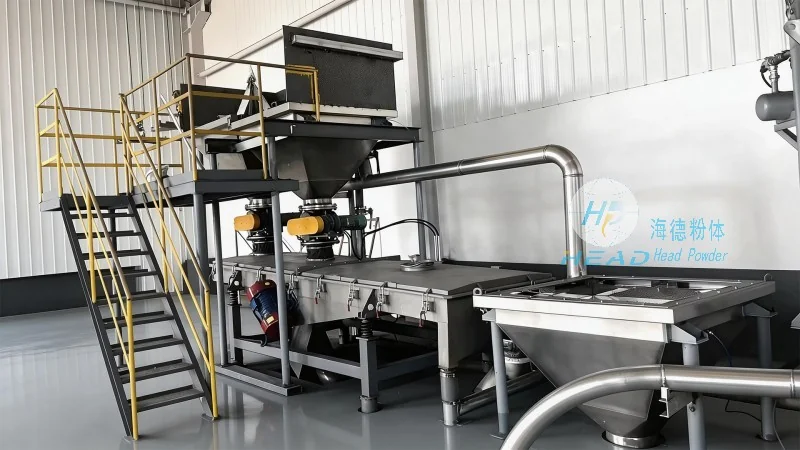
1. Screw Conveyors: A Traditional and Reliable Option
Screw conveyors, also known as auger conveyors, are one of the most widely used methods for transporting biomass powders. These systems consist of a rotating helical screw inside a tube or trough, which moves material from the inlet to the outlet through the force of friction. The primary advantage of screw conveyors is their simplicity and low maintenance requirements. They are suitable for short to medium distances and can handle a wide range of materials, including those with moderate moisture content. However, screw conveyors have limitations when dealing with highly abrasive or sticky biomass powders, as the screw and trough can experience wear and tear over time. Additionally, they may not be as efficient for long-distance transport compared to other methods.
2. Pneumatic Conveying Systems: Ideal for High-Volume and Long-Distance Transport
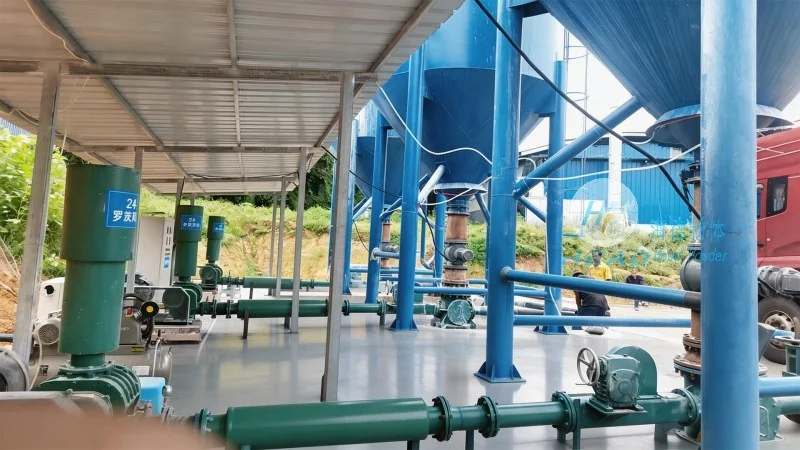
Pneumatic conveying systems use air or other gases to transport biomass powders through a pipeline. These systems can be categorized into two main types: pressure and vacuum. Pressure systems are commonly used for high-volume, long-distance transport, as they can move material over several hundred meters with minimal pressure loss. The key advantage of pneumatic conveying is its ability to handle fine powders and abrasive materials without causing excessive wear. It also allows for the integration of multiple conveying lines and can be easily adapted to different process requirements. However, pneumatic systems require higher energy input compared to mechanical systems, and they may not be suitable for materials with high moisture content or those that are prone to caking. Furthermore, the initial investment and maintenance costs for pneumatic systems are generally higher than for other options.
3. Belt Conveyors: Versatile and Cost-Effective for Bulk Transport
Belt conveyors are another popular choice for biomass powder transport, especially in applications requiring the movement of large volumes over long distances. These systems consist of a continuous belt that moves material from one point to another, supported by rollers or idlers. The primary advantage of belt conveyors is their high capacity and ability to handle heavy loads. They are particularly suitable for transporting bulk materials like wood chips, sawdust, and other biomass residues. Belt conveyors are also relatively simple to install and maintain, making them a cost-effective solution for many industrial applications. However, belt conveyors have limitations when dealing with fine powders, as they may cause dust accumulation and require additional dust control measures. They are also less suitable for vertical transport compared to other methods.
4. Bucket Elevators: Efficient for Vertical and Horizontal Transport
Bucket elevators are vertical or inclined conveyors that use a series of buckets attached to a chain or belt to transport biomass powders. These systems are highly efficient for vertical transport and can also handle horizontal movement over short distances. The main advantage of bucket elevators is their ability to handle high volumes of material with minimal space requirements. They are particularly suitable for transporting fine powders and granular materials, as the buckets can effectively lift and move the material without causing excessive wear. Bucket elevators are also relatively low maintenance, as the buckets and chain are designed to withstand heavy loads. However, bucket elevators have limitations when dealing with highly abrasive or sticky materials, as the buckets and chain can experience wear and tear. They are also less suitable for long-distance horizontal transport compared to other methods.
Comparative Summary: Choosing the Right Conveying Method
When selecting a biomass powder conveying method, it is essential to consider the specific characteristics of the material, the distance to be covered, and the required capacity. Screw conveyors are ideal for short to medium distances and moderate volumes, while pneumatic systems are better suited for high-volume, long-distance transport. Belt conveyors are suitable for bulk transport over long distances, and bucket elevators are efficient for vertical and short horizontal transport. Each method has its own advantages and disadvantages, and the optimal choice depends on the unique requirements of the application. HeadPowder offers a range of conveying solutions that can be customized to meet the specific needs of our clients, ensuring that they select the most suitable method for their biomass processing operations.