

Comparison of Common Anode Material Handling Methods: Advantages and Disadvantages
When it comes to the processing and transportation of anode materials in the battery manufacturing industry, selecting the right handling method is crucial for efficiency, cost-effectiveness, and product quality. Shandong HeadPowder Engineering Co., Ltd., a leading provider in the field, specializes in optimizing material handling solutions for various applications. This article provides a detailed comparison of common anode material transport methods, highlighting their respective advantages and disadvantages.
Gravity-Based Material Transport
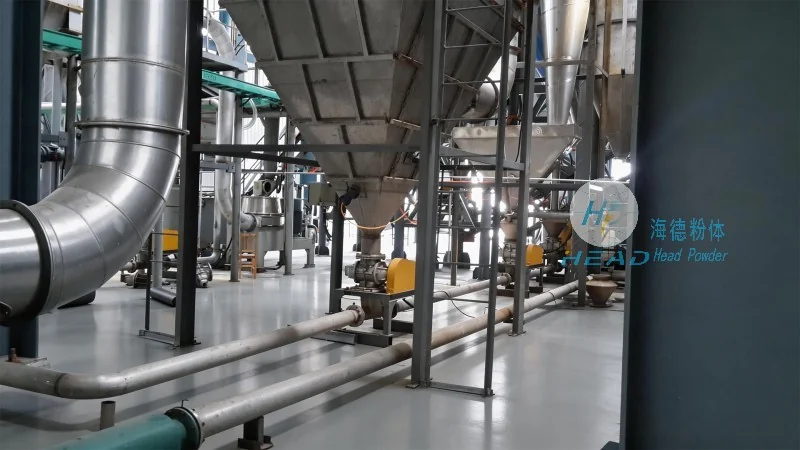
Gravity-based systems utilize the natural force of gravity to move anode materials from one point to another. These systems typically consist of chutes, hoppers, and inclined conveyors that allow materials to flow downward without the need for external power. The primary advantage of gravity transport is its low operational cost, as it eliminates the need for motors or other power sources. Additionally, these systems are simple in design and require minimal maintenance, making them suitable for applications where the material flow is consistent and the vertical distance is sufficient. However, the effectiveness of gravity systems is highly dependent on the material's density and flowability. If the material is too fine or has poor flow characteristics, it may lead to blockages or uneven flow, reducing the system's efficiency. Moreover, gravity transport is limited by the vertical drop and horizontal distance, as excessive length or elevation changes can cause material degradation or spillage.
Mechanical Conveying Systems
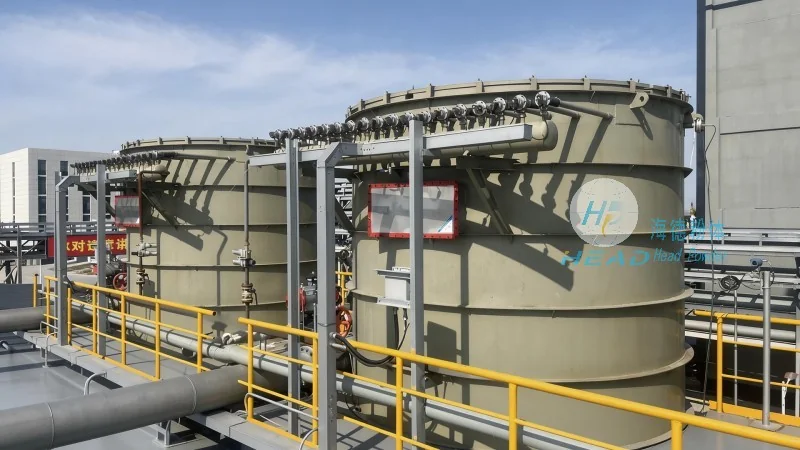
Mechanical conveying systems employ mechanical components such as belts, screws, and buckets to transport anode materials. Belt conveyors are widely used for horizontal or slight incline transport, offering high capacity and continuous operation. Screw conveyors are ideal for vertical or inclined transport, providing reliable material movement in confined spaces. The main advantage of mechanical systems is their ability to handle a wide range of material types and sizes, including bulk powders and granules. They also offer precise control over the flow rate and direction, which is essential for maintaining consistent material quality. However, mechanical conveyors require regular maintenance to ensure smooth operation. Components like belts and screws can wear out over time, leading to increased downtime and repair costs. Furthermore, these systems may generate dust and noise, which can affect the working environment and require additional safety measures. The initial investment for mechanical conveyors is also higher compared to gravity systems, making them less suitable for small-scale operations or budget-constrained projects.
Air-Flow Transport Methods
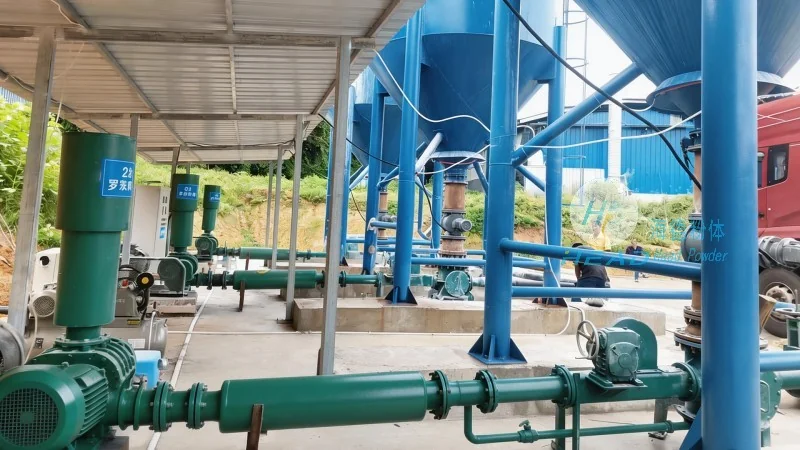
Air-flow transport, also known as pneumatic conveying, uses compressed air to move anode materials through pipelines. This method is particularly effective for transporting fine powders and granules over long distances or through complex layouts. The primary advantage of pneumatic systems is their ability to handle materials with high moisture content or those that are prone to caking, as the air flow prevents material agglomeration. Additionally, these systems can be integrated with other processing equipment, such as mixers and classifiers, to create a fully automated material handling line. However, pneumatic conveying has higher energy consumption compared to other methods, as it requires continuous air pressure. The cost of compressed air and the maintenance of air compressors add to the operational expenses. Furthermore, the system's performance is affected by the material's particle size and density; fine particles may cause pressure drops and require larger air volumes, while large particles can lead to blockages in the pipelines. Proper design and sizing of the air system are critical to ensure reliable operation.
Hybrid Transport Solutions
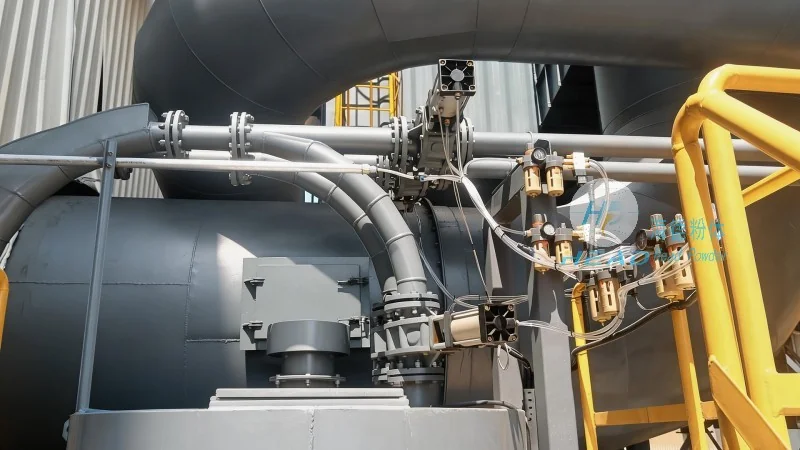
Hybrid transport systems combine elements of different methods to leverage their respective advantages. For example, a combination of gravity and mechanical conveyors can be used to transport materials over both horizontal and vertical distances efficiently. Similarly, pneumatic systems can be integrated with screw conveyors to handle materials with varying flow characteristics. The main advantage of hybrid solutions is their flexibility and adaptability to diverse operational needs. They can be customized to handle different material types, flow rates, and distances, making them suitable for complex manufacturing environments. However, the complexity of hybrid systems increases the risk of operational issues. Proper coordination between different components is essential to avoid bottlenecks or inefficiencies. Additionally, the maintenance requirements for hybrid systems are higher due to the integration of multiple technologies. Despite these challenges, hybrid solutions often provide the most balanced approach to material handling, offering high efficiency and reliability.
Conclusion
Choosing the appropriate anode material transport method depends on several factors, including the material properties, operational requirements, and budget constraints. Gravity-based systems are ideal for simple, low-cost applications with consistent material flow. Mechanical conveyors offer versatility and precise control but require more maintenance and higher initial investment. Pneumatic systems are suitable for fine powders and long-distance transport but have higher energy costs. Hybrid solutions provide the best of all worlds but come with increased complexity and maintenance needs. Shandong HeadPowder Engineering Co., Ltd. specializes in designing and implementing customized material handling solutions that meet the specific needs of clients, ensuring optimal performance and cost-effectiveness. By understanding the advantages and disadvantages of each method, manufacturers can make informed decisions to enhance their production processes and improve overall efficiency.