

What is a Caustic Soda Material Handling Conveyor Line? Understanding Its Design Principles
Caustic soda, also known as sodium hydroxide (NaOH), is a highly caustic and corrosive chemical widely used in various industrial processes, including chemical manufacturing, paper production, and water treatment. The safe and efficient handling of caustic soda is critical due to its hazardous nature, making specialized conveyor systems essential for material transport. This article explores what a caustic soda material handling conveyor line is and delves into its fundamental design principles, highlighting the engineering considerations that ensure safety, reliability, and operational efficiency.
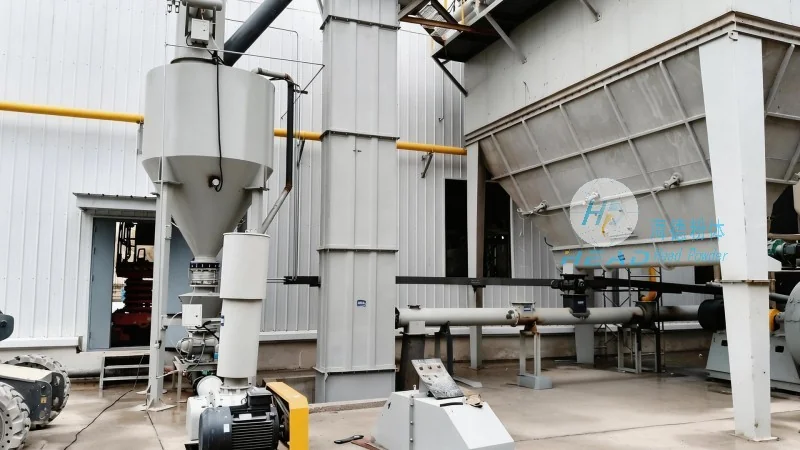
Key Components of a Caustic Soda Conveyor Line
A caustic soda material handling conveyor line typically consists of several key components designed to manage the unique properties of sodium hydroxide. These components work in tandem to ensure the safe and effective transport of the material from storage to processing or packaging units. The primary elements include:
- Storage Tanks or Hoppers: These are used to store caustic soda in bulk, often in a closed system to prevent exposure to air and moisture, which can affect the material's consistency and reactivity.
- Pumps or Loaders: Specialized pumps or loaders are employed to transfer caustic soda from storage tanks to the conveyor system. These equipment must be resistant to corrosion and capable of handling high-pressure or high-temperature conditions.
- Conveyor System: The core of the material handling line, which can include belt conveyors, screw conveyors, or pneumatic conveyors, depending on the specific application and material characteristics. For caustic soda, materials like stainless steel or corrosion-resistant alloys are commonly used for the conveyor components to withstand chemical exposure.
- Control Systems: Advanced control systems are integrated to monitor and regulate the flow of caustic soda, ensuring precise dosing and preventing overfilling or underfilling. These systems may include sensors for level, temperature, and pressure, as well as automated controls for start/stop operations.
- Safety Equipment: Essential safety features such as emergency shut-off valves, leak detection systems, and ventilation systems are incorporated to mitigate risks associated with caustic soda spills or exposure.
Design Principles for Caustic Soda Conveyor Lines
The design of a caustic soda material handling conveyor line is governed by several critical principles aimed at ensuring safety, durability, and operational efficiency. These principles are tailored to address the chemical's corrosive nature and the need for precise control in industrial applications.
1. Corrosion Resistance: One of the most important design considerations is the selection of materials that can withstand the aggressive nature of caustic soda. Components such as conveyor belts, hoppers, and piping are typically made from stainless steel (e.g., 316L) or other corrosion-resistant alloys. This prevents degradation over time and maintains the integrity of the system.
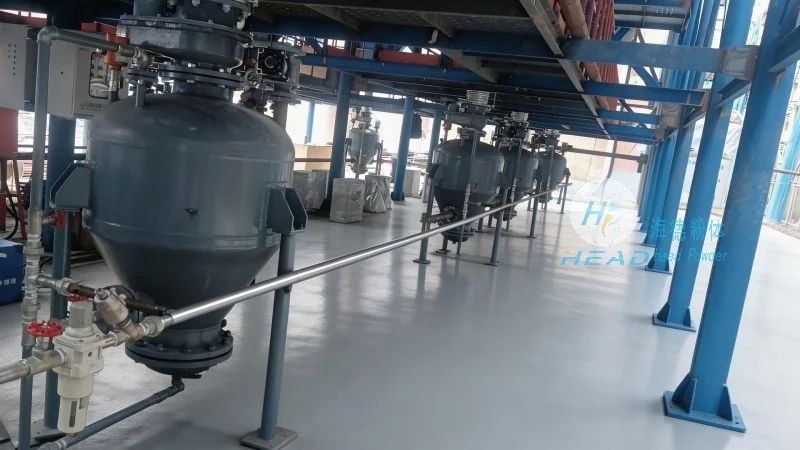
2. Sealing and Leak Prevention: To minimize the risk of leaks and spills, all connections and joints in the conveyor line are designed with tight seals. Gaskets and flanges are used to create airtight and watertight connections, reducing the potential for chemical exposure to personnel and the environment.
3. Temperature Control: Caustic soda can be stored and transported at various temperatures, and the design must account for thermal expansion and contraction. Insulation and temperature sensors are often incorporated to maintain stable operating conditions and prevent material degradation.
4. Material Flow Optimization: The conveyor system is designed to ensure smooth and consistent material flow, minimizing the risk of blockages or uneven distribution. This may involve the use of inclines, declines, or special conveyor sections to facilitate the movement of caustic soda without causing splashing or spillage.
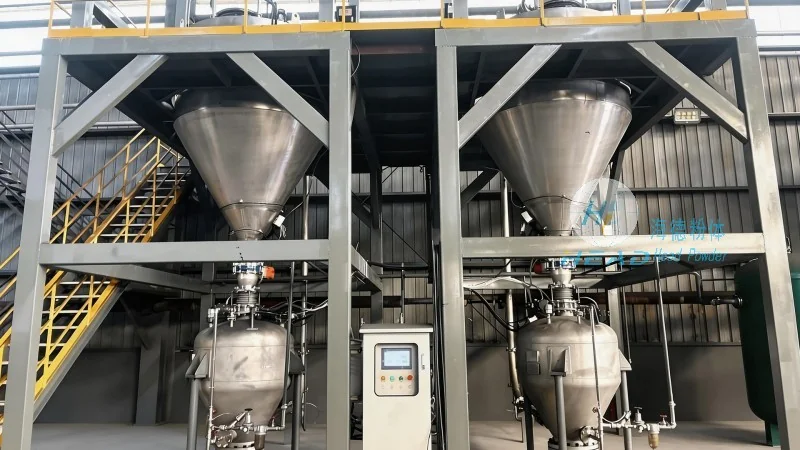
5. Safety and Compliance: The design adheres to relevant safety standards and regulations, such as those from OSHA (Occupational Safety and Health Administration) and local environmental agencies. This includes proper ventilation, emergency shutdown procedures, and regular maintenance protocols to ensure the system operates within safe parameters.
Applications and Industries Using Caustic Soda Conveyor Lines
Caustic soda material handling conveyor lines are widely used across various industries where sodium hydroxide is a key raw material. Some of the primary applications include:
- Chemical Manufacturing: In the production of soaps, detergents, and other chemical products, caustic soda is used as a base. Conveyor lines efficiently transport the material to reactors and processing units.
- Paper and Pulp Industry: Caustic soda is used in the pulping process to break down wood fibers. Conveyor systems ensure the material is delivered to digesters and other processing equipment.
- Water Treatment: In wastewater treatment facilities, caustic soda is used to adjust pH levels and neutralize acidic or alkaline substances. Conveyor lines facilitate the addition of caustic soda to treatment tanks.
- Food and Beverage Industry: In some food processing applications, caustic soda is used for cleaning and processing, and specialized conveyor lines ensure safe handling.
Conclusion
Caustic soda material handling conveyor lines are essential infrastructure in industries that rely on sodium hydroxide for their operations. The design principles, which prioritize corrosion resistance, leak prevention, temperature control, and safety, ensure that these systems can operate reliably and safely over extended periods. By understanding the components and design considerations of such conveyor lines, industrial facilities can optimize their material handling processes while minimizing risks associated with handling hazardous chemicals.