

What is a Dry Yeast Material Handling Conveyor? And What Are Its Design Principles?
When it comes to the efficient processing of dry yeast in industrial settings, a specialized material handling system is often essential. This article explores the concept of a dry yeast material handling conveyor and delves into the underlying design principles that make such systems effective for yeast processing applications.
Understanding the Dry Yeast Material Handling Conveyor
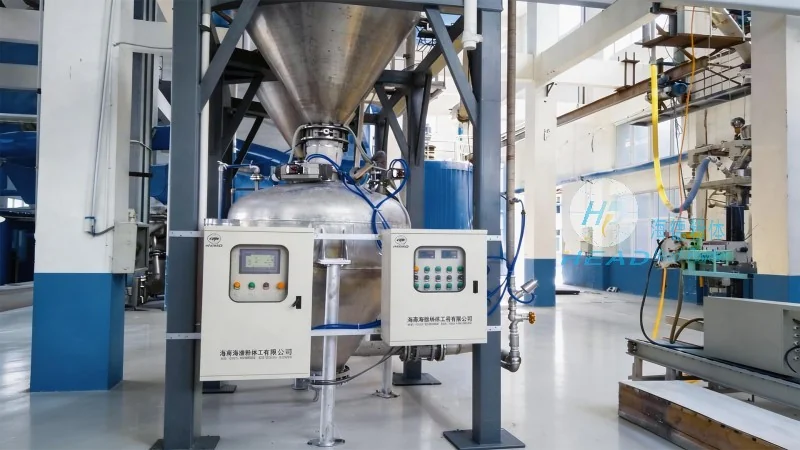
A dry yeast material handling conveyor is a specialized piece of equipment designed to transport dry yeast efficiently from one point to another within a production facility. These systems are crucial in industries where yeast is used as a key ingredient, such as in the brewing, baking, and food processing sectors. The primary goal of these conveyors is to ensure that dry yeast is moved in a controlled manner, minimizing the risk of contamination, degradation, or loss during transit.
Key Components and Design Elements
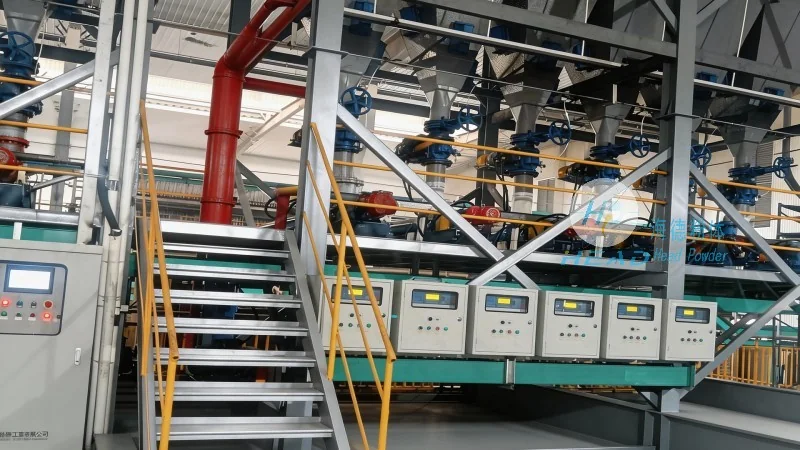
The design of a dry yeast material handling conveyor typically incorporates several key components that work together to achieve optimal performance. These components include feed hoppers, conveyor belts or chains, control systems, and discharge mechanisms. The feed hopper is responsible for holding the dry yeast and regulating the flow into the conveyor system. The conveyor itself, often made from materials like stainless steel or food-grade plastics, ensures that the yeast is transported without sticking or clogging. Control systems, which may include sensors and automated controls, help maintain consistent flow rates and prevent overloading. Finally, the discharge mechanism ensures that the yeast is released at the desired location, ready for the next stage of processing.
Design Principles for Optimal Performance
The design principles behind a dry yeast material handling conveyor are centered on several critical factors that ensure the product's quality and the system's efficiency. One of the most important principles is the prevention of moisture absorption and contamination. Dry yeast is highly sensitive to moisture, which can cause clumping, spoilage, or loss of activity. Therefore, the conveyor system is typically designed with sealed or enclosed sections to minimize exposure to ambient air and moisture. Additionally, the materials used in the construction of the conveyor, such as stainless steel or food-grade polymers, are chosen for their non-reactive properties and ease of cleaning.
Ensuring Uniform Flow and Minimizing Product Damage
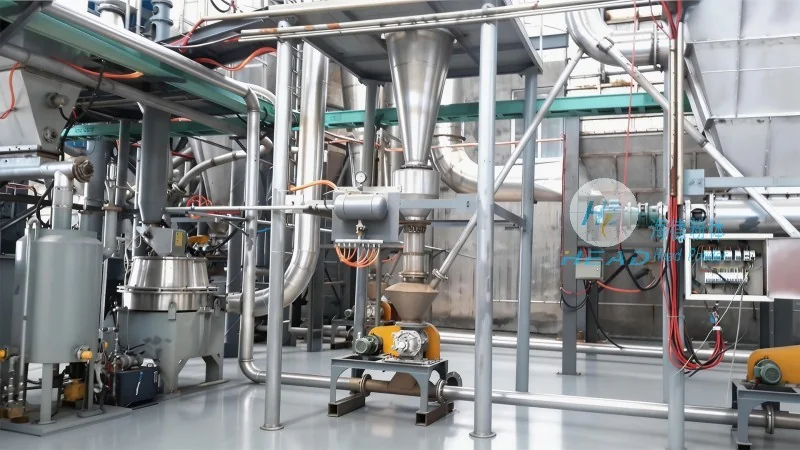
Another key design principle is the maintenance of uniform flow rates to prevent overloading or underloading of the conveyor. This is achieved through the use of adjustable feed mechanisms and variable speed drives. By controlling the speed of the conveyor and the rate at which yeast is fed into it, the system can maintain a consistent and stable flow. This uniformity is crucial for preventing product degradation, such as crushing or breaking of yeast cells, which can affect the final product's quality. The conveyor's design may also include features like gentle slope angles and smooth surfaces to minimize friction and impact on the yeast particles.
Integration with Production Processes
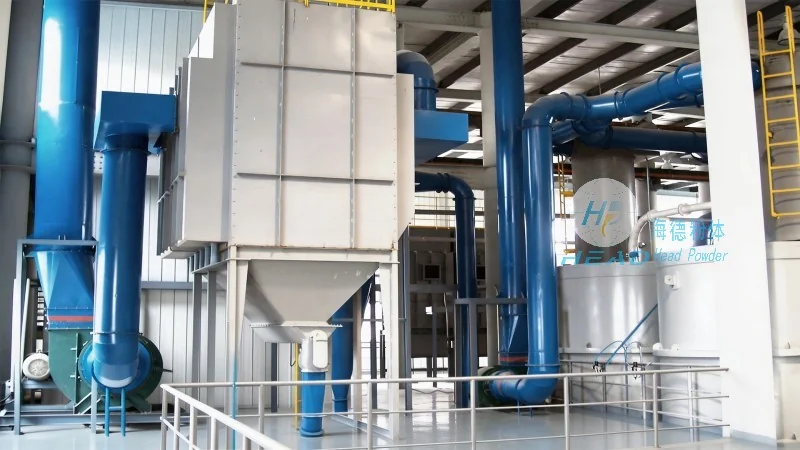
A dry yeast material handling conveyor is not typically used in isolation but is often integrated into a larger production line. This integration allows for seamless transfer of yeast from storage to processing equipment, such as mixers or blenders. The design of the conveyor must take into account the specific requirements of the downstream processes, ensuring that the yeast is delivered in the correct quantity and at the appropriate time. For example, in a brewing facility, the conveyor may be designed to feed yeast into a fermentation tank at a controlled rate, matching the needs of the fermentation process. This integration requires careful consideration of the conveyor's capacity, speed, and control capabilities to ensure that it aligns with the overall production schedule.
Maintenance and Cleaning Considerations
Due to the sensitive nature of dry yeast, the maintenance and cleaning of the material handling conveyor are critical to maintaining product quality and system longevity. The design of the conveyor often includes features that facilitate easy cleaning, such as smooth, non-porous surfaces and removable components. Regular cleaning and sanitization are essential to prevent the buildup of yeast residue, which can attract bacteria or other contaminants. The use of CIP (Clean-In-Place) systems may also be incorporated into the design to allow for automated cleaning without disassembling the conveyor. Proper maintenance, including regular inspection of belts, chains, and bearings, is also necessary to ensure the system operates efficiently and reliably over time.