

What is a Metallurgical Coke Material Conveying Line? What Are Its Design Principles?
Metallurgical coke material conveying lines are sophisticated industrial systems engineered to transport coke, a vital raw material in the steelmaking process. These lines play a pivotal role in ensuring the smooth flow of coke from storage silos or stockpiles to the blast furnace or other processing units. The design and operation of such systems are critical for maintaining the efficiency and productivity of metallurgical plants, as any inefficiency in coke delivery can lead to production bottlenecks. Understanding the components and design principles of these conveying lines is essential for optimizing industrial operations in the steel and metallurgical sectors.
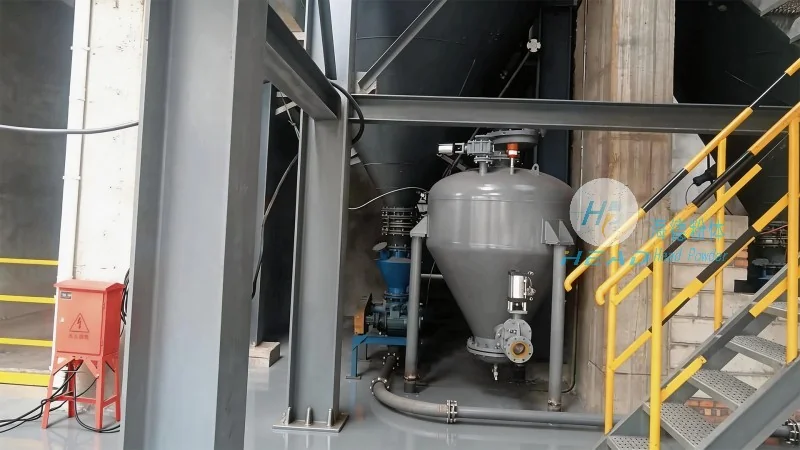
Key Components and Their Functions
The primary components of a metallurgical coke material conveying line include feed hoppers, conveyor mechanisms (such as belt conveyors or screw conveyors), transfer points, and control systems. Feed hoppers are designed to store and regulate the flow of coke into the conveying system, preventing overloading and ensuring consistent material feed. Conveyor belts, often made from heavy-duty rubber or synthetic materials, are used to transport coke over horizontal or inclined distances. Screw conveyors, on the other hand, are suitable for vertical or inclined transport and can handle materials with varying moisture content. Transfer points, such as chutes or rotary valves, facilitate the change in direction of the conveyor, ensuring that coke moves smoothly from one section to another. Control systems, equipped with sensors and automation, monitor the speed, load, and temperature of the conveying line, providing real-time data and alerts for any anomalies.
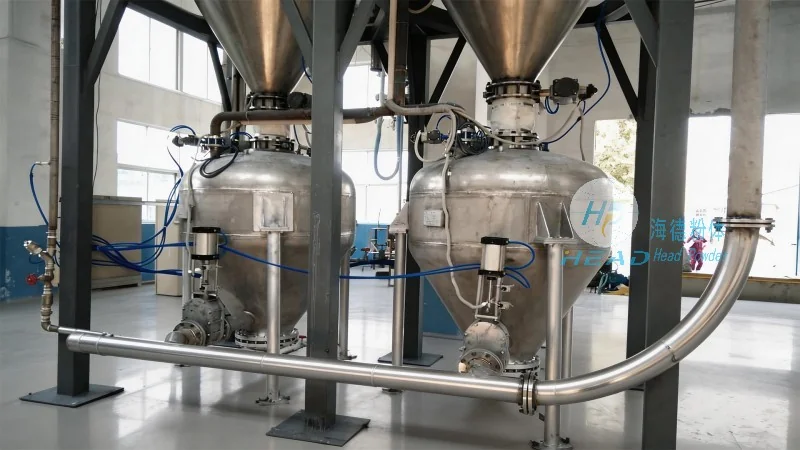
Design Principles for Optimal Performance
The design of metallurgical coke material conveying lines is guided by several key principles aimed at maximizing efficiency, durability, and safety. First, the system must be capable of handling the required throughput, which is determined by the production capacity of the steel plant. The conveyor capacity is calculated based on factors such as the bulk density of coke, the desired delivery rate, and the speed of the conveyor. Second, durability is a critical consideration due to the abrasive nature of coke, which can cause significant wear on conveyor components. High-quality materials, such as wear-resistant steel or special coatings, are used to extend the lifespan of the system. Third, energy efficiency is a major factor, as conveying systems consume substantial electrical energy. Optimizing the design, including the selection of efficient drive systems and minimal friction, helps reduce operational costs. Finally, safety is paramount, with features like emergency stop buttons, protective guards, and monitoring systems to prevent accidents and ensure compliance with industrial safety standards.
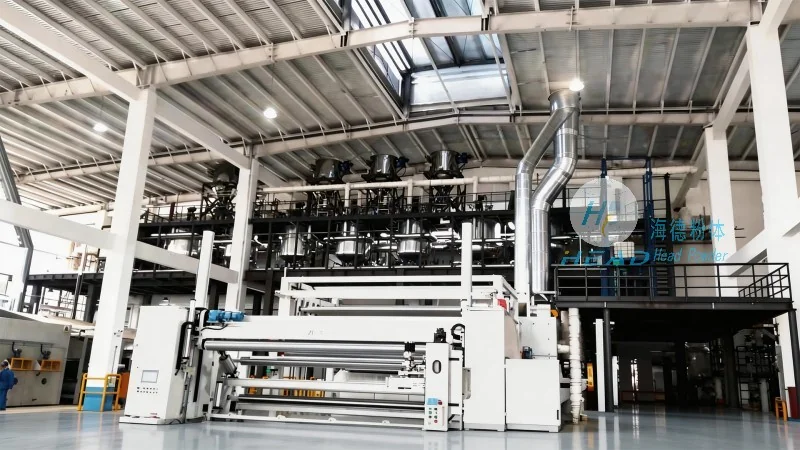
HeadPowder's Engineering Solutions for Coke Conveying
Shandong HeadPowder Engineering Co., Ltd. is a leading manufacturer of industrial conveying equipment, specializing in the design and production of metallurgical coke material conveying lines. With a strong focus on innovation and customer-centric solutions, HeadPowder leverages advanced engineering and materials science to develop systems that meet the demanding requirements of the steel industry. The company's expertise in material handling and conveyor technology allows it to tailor solutions to specific client needs, whether for new plant installations or upgrades to existing systems. HeadPowder's team of experienced engineers works closely with clients to assess their operational needs, conduct site surveys, and develop customized designs that integrate seamlessly with existing infrastructure. This collaborative approach ensures that the final conveying line is not only efficient but also cost-effective and reliable.
Customization and Integration in Practice
Metallurgical coke material conveying lines are often customized to fit the unique layout and operational constraints of a plant. HeadPowder's engineers consider factors such as the distance between storage and processing units, the number of transfer points required, and the need for multiple storage or buffer facilities. For example, in a large steel plant with multiple blast furnaces, a conveying line may need to distribute coke to several locations, requiring a network of conveyors and transfer points. HeadPowder designs such systems to ensure that material flow is uninterrupted, with proper buffering to prevent bottlenecks. The company also integrates advanced control systems that allow for remote monitoring and management of the conveying line, enhancing operational flexibility and reducing the need for on-site personnel. Customization also extends to the selection of conveyor components, such as belt tensioning systems, idlers, and drive motors, ensuring that each part is optimized for the specific application.
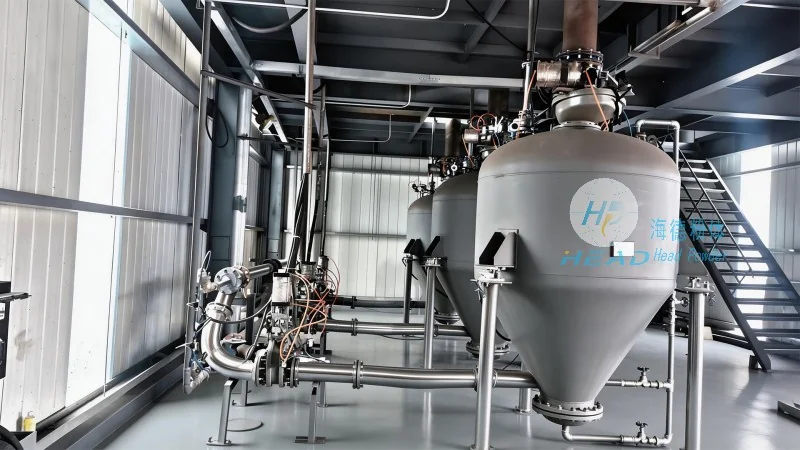
Ensuring Reliability and Longevity
Reliability is a top priority in metallurgical coke material conveying lines, as any downtime can result in significant financial losses for steel plants. HeadPowder's designs incorporate robust components and preventive maintenance strategies to minimize the risk of failures. The use of high-quality materials, such as wear-resistant steel for conveyor frames and special coatings for idlers, helps reduce wear and tear. Regular inspection and maintenance schedules are also implemented to check for signs of wear, loose components, or system malfunctions. Additionally, HeadPowder provides comprehensive after-sales support, including training for operators and maintenance personnel, to ensure that clients can maximize the lifespan of their conveying systems. By focusing on durability and reliability, HeadPowder's metallurgical coke conveying lines provide long-term value to its clients, supporting the continuous and efficient operation of steel and metallurgical facilities.