

What is a PVC Resin Powder Material Conveying Line? What Are Its Design Principles?
For industries dealing with PVC resin powders, efficient material handling is crucial for maintaining production efficiency and product quality. The PVC resin powder material conveying line is a specialized system engineered to transport these fine powders safely and effectively. This article delves into the core aspects of such a system, focusing on its design principles and practical applications, while highlighting the expertise of Shandong HeadPowder Engineering Co., Ltd. from China.
What Is a PVC Resin Powder Material Conveying Line?
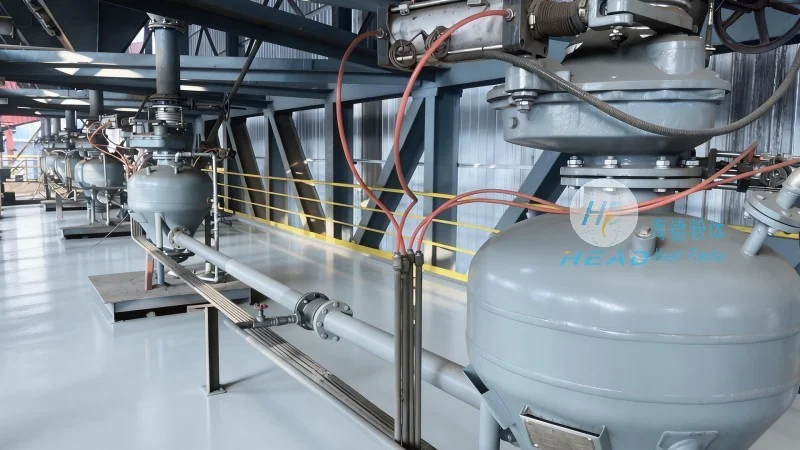
A PVC resin powder material conveying line is a comprehensive system designed to handle, transport, and manage PVC resin powders from storage to processing units. It typically integrates various components like hoppers, feeders, conveyors, and control systems to ensure smooth material flow. The system is tailored to address the unique challenges of handling fine, abrasive, and potentially dust-explosive powders, ensuring compliance with safety and environmental standards.
Key Components and Their Roles
The PVC resin powder material conveying line consists of several critical components, each playing a vital role in the overall operation. The primary components include:
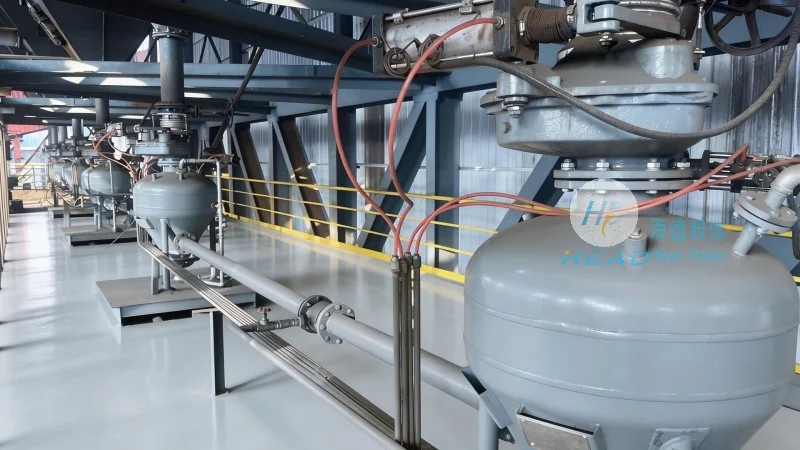
- Material Hopper: A storage vessel that holds the PVC resin powder, providing a consistent feed to the system. It is designed to prevent material bridging and ensure uniform discharge.
- Feeder: A device that regulates the flow of powder from the hopper to the conveyor. Common types include screw feeders, vibratory feeders, and rotary valves, each chosen based on the powder's properties and required flow rate.
- Conveyor System: The core of the material conveying line, responsible for transporting the powder from the feeder to the processing equipment. Options include pneumatic conveying systems (air-assisted) and mechanical conveyors (like belt or screw conveyors), selected based on the material's characteristics and distance requirements.
- Control System: An integrated control panel that monitors and regulates the entire conveying process. It includes sensors for level, flow, and pressure, as well as control valves and actuators to adjust the system's operation in real-time.
Design Principles for Optimal Performance
The design of a PVC resin powder material conveying line follows several key principles to ensure efficiency, safety, and reliability. These principles are tailored to the specific properties of PVC resin powders, which are often fine, hygroscopic, and prone to static electricity. The primary design considerations include:
- Airflow Management: For pneumatic conveying systems, proper airflow is critical to prevent material clogging and ensure consistent transport. The system is designed with appropriate air velocities and pressure differentials to maintain a stable flow.
- Prevention of Material Agglomeration: PVC resin powders can clump together due to moisture or static. The design incorporates anti-static measures, such as grounding and conductive materials, and uses equipment like vibrators or agitators to break up agglomerates.
- Material Compatibility: All components in contact with the PVC resin powder are made of materials that are resistant to chemical corrosion and wear. Common materials include stainless steel, special alloys, and high-quality plastics, ensuring long service life and minimal contamination.
- Safety and Environmental Compliance: The system is designed to meet safety standards, including explosion-proof features for handling potentially explosive powders. It also includes dust collection and filtration systems to minimize environmental impact and ensure operator safety.
Applications and Industry Use Cases
PVC resin powder material conveying lines are widely used in various industries where PVC resin is a key raw material. Some common applications include:
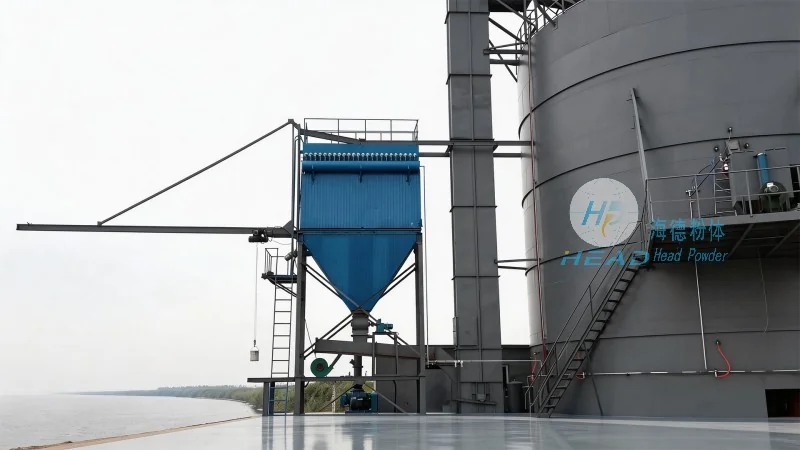
- Plastic Manufacturing: In PVC pipe, profile, and sheet production, the conveying line ensures a steady supply of resin to extrusion and molding machines, maintaining production continuity.
- Coating and Laminating: The system is used to transport PVC resin powders to coating lines, where they are applied to substrates for protective or decorative coatings.
- Chemical Processing: In chemical plants, the conveying line handles PVC resin powders for further processing, such as compounding or blending with other additives.
- Construction Materials: For the production of PVC-based construction materials like flooring and wall panels, the system ensures efficient material handling from raw resin to finished products.
Advantages of a Well-Designed Conveying Line
Implementing a properly designed PVC resin powder material conveying line offers several advantages for industrial operations. These benefits include:
- Increased Production Efficiency: By ensuring a consistent and uninterrupted flow of material, the system reduces downtime and increases overall production output.
- Improved Product Quality: Uniform material handling minimizes variations in resin content, leading to more consistent product quality and reduced waste.
- Enhanced Safety: The system's design, including explosion-proof features and dust control, minimizes risks associated with handling fine powders, protecting both equipment and personnel.
- Cost Savings: Efficient material handling reduces energy consumption and maintenance costs, contributing to long-term operational savings.
Conclusion
The PVC resin powder material conveying line is a critical component in modern industrial processes, enabling the safe and efficient handling of PVC resin powders. Its design, based on principles of material science, engineering, and safety, ensures optimal performance across various applications. As a leading provider in the field, Shandong HeadPowder Engineering Co., Ltd. specializes in designing and manufacturing such systems, leveraging years of experience to deliver solutions tailored to the unique needs of each industry. By investing in a well-designed conveying line, businesses can enhance productivity, improve product quality, and ensure compliance with safety and environmental regulations.