

What is a Mica Sand Powder Material Conveying Line? And What Are Its Design Principles?
Mica sand powder material conveying lines are specialized systems engineered to transport fine mica sand powders efficiently and reliably. These systems are crucial in industries where mica sand is a key raw material, such as in the production of paints, coatings, and other industrial applications. The design of these conveying lines is tailored to address the unique challenges posed by mica sand, including its fine particle size, light weight, and tendency to create dust during handling. Understanding the components and principles behind these systems is essential for optimizing material flow and ensuring operational efficiency.
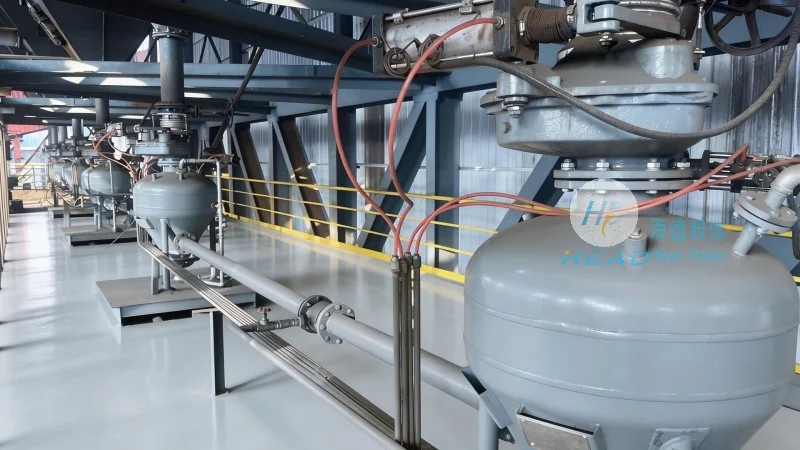
Key Components of a Mica Sand Powder Conveying System
The core components of a mica sand powder material conveying line typically include a hopper for material storage, a feeder to control the flow rate, a conveyor system (such as a screw conveyor or pneumatic conveyor), and a dust collection system. The hopper is designed to hold a sufficient quantity of mica sand, often with a sloped bottom to facilitate material discharge. The feeder, which may be a rotary valve or a vibratory feeder, ensures a consistent and controlled flow of material into the conveyor. The conveyor system is critical for transporting the mica sand from the storage area to the processing or packaging point. For mica sand, which is light and prone to dust, a pneumatic conveyor is often preferred as it can handle fine powders effectively while minimizing dust dispersion. The dust collection system, usually an air filtration unit, captures any airborne particles to maintain a clean and safe working environment.
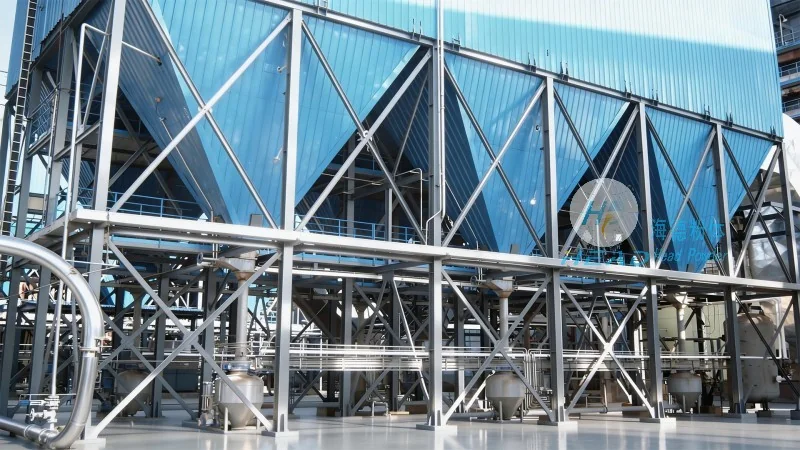
Design Principles for Efficient Material Handling
The design principles of a mica sand powder conveying line focus on several key factors to ensure optimal performance. First, the system must handle the specific physical properties of mica sand, such as its low bulk density and high dust generation potential. This requires careful selection of equipment that can manage fine powders without causing blockages or excessive wear. Second, the design emphasizes energy efficiency and operational reliability. Components are chosen to minimize power consumption while ensuring long-term durability. Third, safety is a paramount consideration. The system incorporates features like dust suppression and explosion-proof designs to protect both the equipment and personnel. Additionally, the design allows for easy maintenance and cleaning, which is essential for maintaining product quality and preventing contamination.
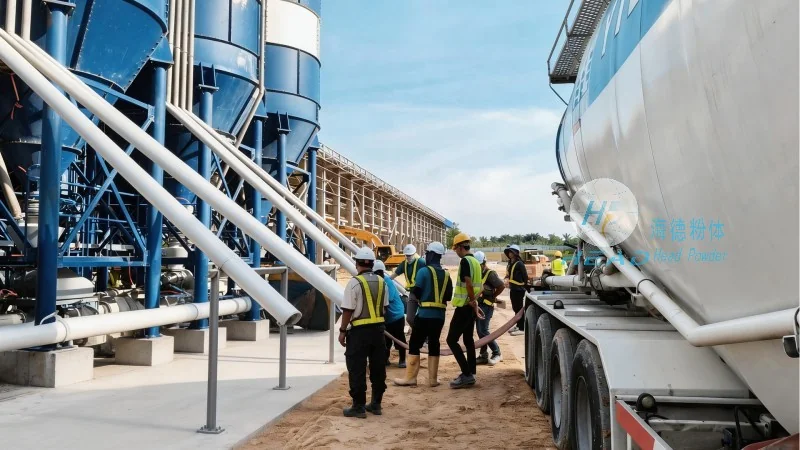
Application and Operational Considerations
Mica sand powder material conveying lines are widely used in various industrial processes. They are commonly integrated into production lines for manufacturing mica-based products, such as mica insulation materials, mica coatings, and mica pigments. The operational considerations for these systems include maintaining consistent material flow rates to avoid bottlenecks or overloading the processing equipment. Regular maintenance, including cleaning of the conveyor and dust collection system, is necessary to prevent clogging and ensure the system operates smoothly. Additionally, the system must be designed to handle variations in mica sand quality, such as changes in particle size or moisture content, which can affect material flow characteristics.
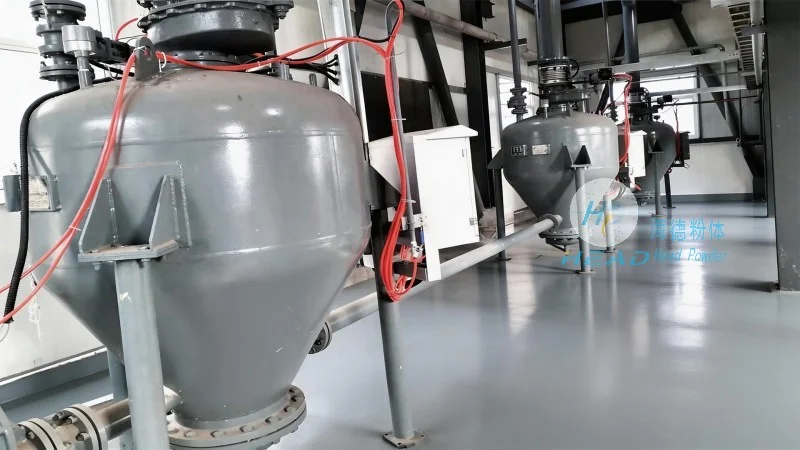
Conclusion
In summary, a mica sand powder material conveying line is a sophisticated system designed to handle the unique challenges of transporting fine mica sand powders. The design principles, components, and operational considerations all work together to ensure efficient, reliable, and safe material handling. By understanding these aspects, industries can optimize their production processes and enhance overall operational performance. As a leading provider in this field, Shandong HeadPowder Engineering Co., Ltd. specializes in designing and manufacturing customized conveying solutions tailored to the specific needs of mica sand processing applications.