

What is the desulfurization and denitrification agent material conveying line? What is its design pr
Desulfurization and denitrification agents are critical components in modern industrial processes, particularly in power generation and chemical manufacturing. The efficient transportation of these agents from storage to processing units is essential for maintaining optimal operational performance and environmental compliance. This article explores the concept of a desulfurization and denitrification agent material conveying line and delves into its underlying design principles, highlighting the technical aspects that ensure reliable and safe material handling.
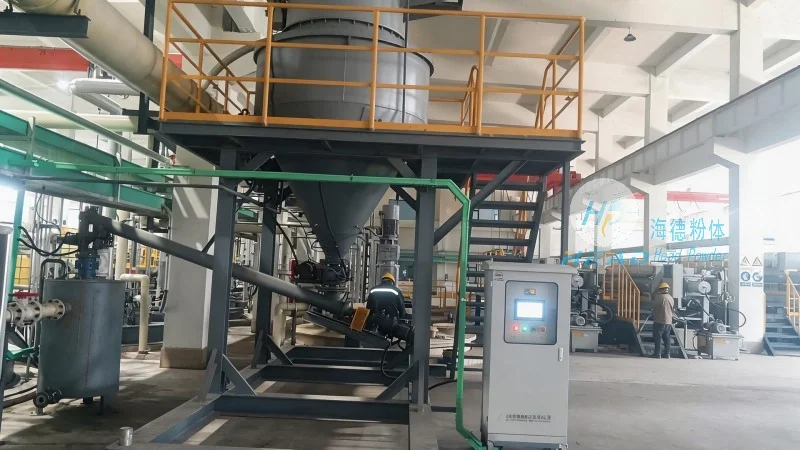
Understanding the Desulfurization and Denitrification Agent Material Conveying Line
A desulfurization and denitrification agent material conveying line is a specialized system engineered to transport powders or granules of desulfurization and denitrification chemicals. These agents, often in the form of calcium-based or ammonia-based compounds, are used to remove sulfur dioxide (SO₂) and nitrogen oxides (NOₓ) from flue gases, thereby reducing air pollution. The conveying line typically consists of components such as hoppers, feeders, conveyors (e.g., screw conveyors, pneumatic conveyors), and control systems. The primary goal is to ensure a consistent and controlled flow of these agents to the reaction units, minimizing downtime and maximizing process efficiency.
The Role of HeadPowder in Material Conveying Solutions
HeadPowder, a leading provider of engineering solutions, specializes in designing and manufacturing material conveying systems tailored to the needs of industrial applications. With a strong presence in Shandong, China, HeadPowder leverages its expertise in powder handling technology to deliver reliable and efficient conveying lines for desulfurization and denitrification agents. The company’s commitment to quality and innovation ensures that its solutions meet the stringent requirements of modern industrial operations.
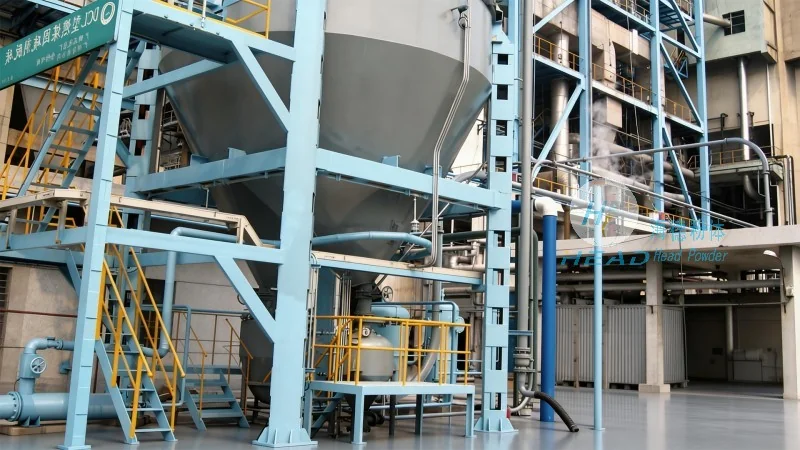
Key Design Principles for the Conveying Line
The design of a desulfurization and denitrification agent material conveying line is governed by several critical principles aimed at optimizing performance and safety. First, the system must ensure minimal material degradation during transport. This involves selecting appropriate conveyor types and materials that prevent caking, agglomeration, or degradation of the chemical agents. For instance, pneumatic conveyors are often preferred for fine powders to avoid particle breakage, while screw conveyors may be used for bulkier granules with proper lubrication and material flow control.
Second, the conveying line must maintain a consistent flow rate to match the processing demands of the downstream units. This is achieved through the integration of feeders, such as rotary valves or vibratory feeders, which regulate the material discharge from the storage hoppers. The control system plays a vital role here, as it adjusts the feeder speed based on real-time process parameters, ensuring that the flow rate remains stable and responsive to changes in demand.
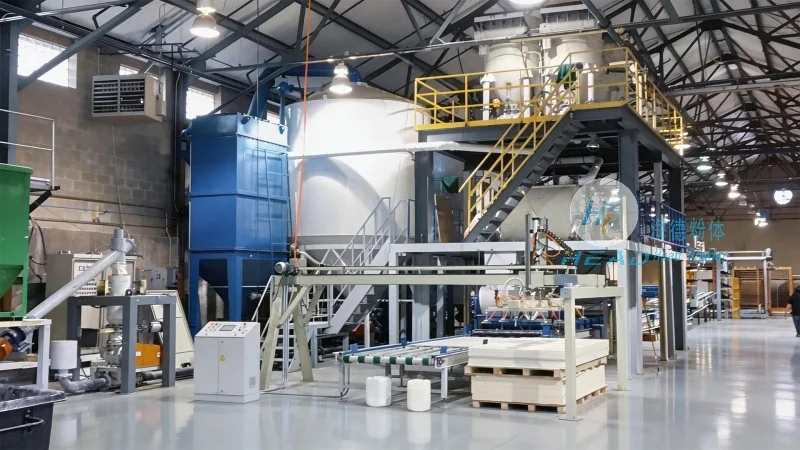
Material Handling Considerations and Safety Measures
When handling desulfurization and denitrification agents, safety is paramount due to the potential health hazards and environmental risks associated with these chemicals. The conveying line design incorporates several safety features to mitigate these risks. For example, dust collection systems are integrated to capture and filter any airborne particles, preventing exposure to workers and minimizing environmental contamination. Additionally, the system may include explosion-proof components and emergency shut-off valves to prevent accidents in case of overpressure or other malfunctions.
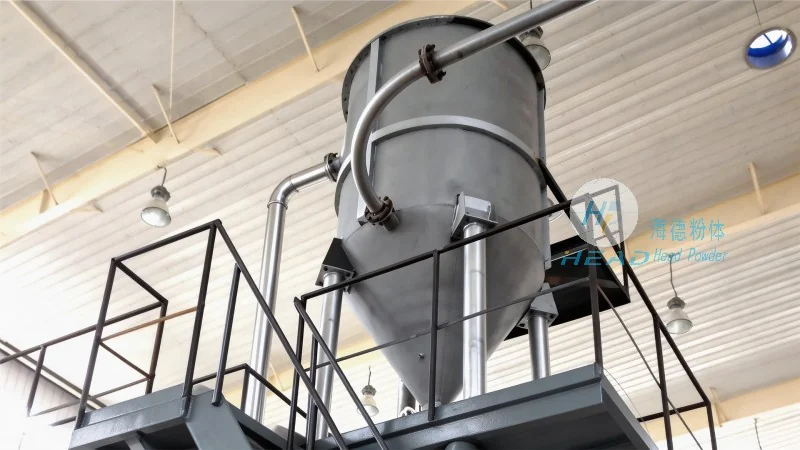
Application and Operational Efficiency
The desulfurization and denitrification agent material conveying line is a critical link in the overall process, directly impacting the efficiency of the pollution control system. By ensuring a steady supply of the chemical agents, the line enables the reaction units to operate continuously, reducing the likelihood of process interruptions. The design also considers factors such as space constraints and integration with existing infrastructure, allowing for seamless installation and operation in various industrial settings.
Conclusion
In summary, the desulfurization and denitrification agent material conveying line is a sophisticated system designed to handle the unique challenges of transporting these essential chemicals. Its design principles focus on efficiency, safety, and reliability, ensuring that the agents are delivered to the processing units in optimal condition. HeadPowder, with its expertise and commitment to quality, plays a key role in providing such solutions to industries striving for environmental compliance and operational excellence.