

What is a Malt Spent Grain Powder Conveying Line? And What Are Its Design Principles?
For those in the brewing or food processing industries, understanding the efficient handling of malt spent grain is crucial. A malt spent grain powder conveying line is a specialized system designed to transport and manage this byproduct from the brewing process. This article will explore what such a line entails and the key design principles that ensure its effectiveness.
Introduction to Malt Spent Grain Powder Conveying Lines
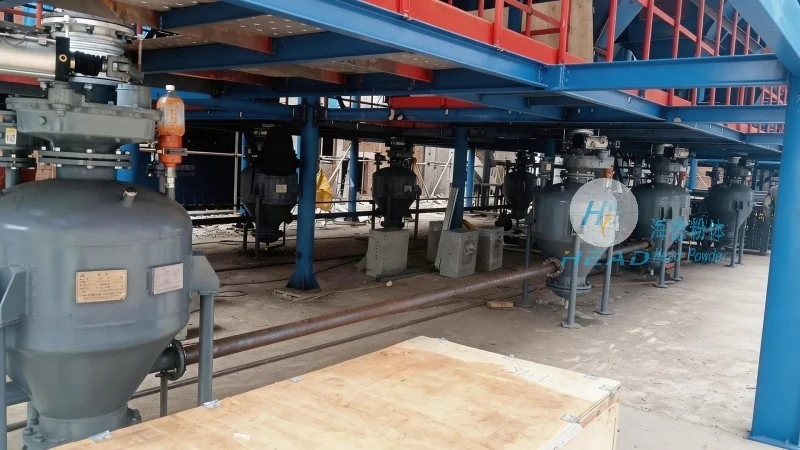
A malt spent grain powder conveying line is a comprehensive system engineered to collect, transport, and process malt spent grain, which is the residue left after the mashing and lautering stages of beer production. This byproduct, often referred to as spent grain, is rich in fiber, protein, and other nutrients, making it valuable for animal feed, biofuel production, or other industrial applications. The conveying line facilitates the movement of this material from the brewing vessel to storage or processing facilities, ensuring a smooth and efficient workflow.
About Shandong HeadPowder Engineering Co., Ltd.
HeadPowder, a leading provider in the field, specializes in the design and manufacturing of advanced powder handling systems. With a strong presence in China, particularly in Shandong, the company has built a reputation for delivering high-quality, reliable equipment tailored to the needs of the food and beverage industry. The expertise of HeadPowder lies in optimizing material flow, enhancing operational efficiency, and ensuring compliance with industry standards.
Design Principles of Malt Spent Grain Powder Conveying Lines
The design of a malt spent grain powder conveying line is guided by several critical principles to ensure optimal performance. First, the system must address the unique characteristics of spent grain, such as its high moisture content, bulk density, and tendency to clump or agglomerate. Engineers must select appropriate equipment, such as screw conveyors, pneumatic conveyors, or bucket elevators, based on these properties to prevent blockages and maintain consistent flow rates.
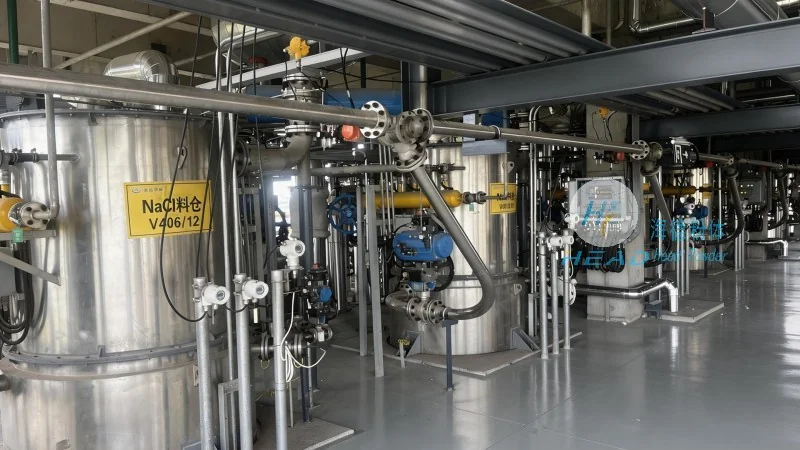
Second, the conveying line is designed to minimize material degradation and maintain product quality. This involves using materials that are resistant to corrosion and wear, as spent grain can be abrasive. Additionally, the system is engineered to control temperature and humidity, as these factors can affect the grain's moisture content and handling characteristics. Proper sealing and dust control measures are also essential to prevent contamination and ensure a clean working environment.
Key Components and Their Functions
A typical malt spent grain powder conveying line consists of several interconnected components, each playing a vital role in the overall operation. The primary components include feed hoppers, which collect the spent grain from the brewing vessel; conveyors, which transport the material through the system; and storage silos or bins, which hold the material for further processing or distribution. The feed hoppers are designed with sloped sides to prevent material buildup and ensure even discharge. The conveyors may be horizontal or vertical, depending on the layout of the facility, and are equipped with variable speed drives to adjust flow rates as needed.
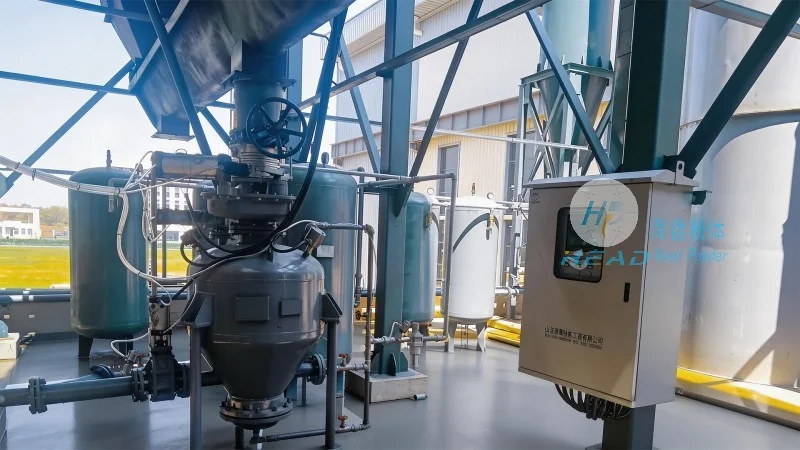
Pneumatic conveying systems, which use air to move the material, are often preferred for their ability to handle fine powders and prevent product contamination. These systems typically consist of a blower, a filter, and a pipeline network. The blower generates the necessary air pressure to move the grain, while the filter removes any dust or particles from the air stream, ensuring a clean and safe operation. Vertical pneumatic conveyors are particularly effective for moving spent grain from lower to higher levels, as they can handle long vertical distances without the need for additional equipment.
Operational Efficiency and Maintenance
Efficient operation of a malt spent grain powder conveying line relies on regular maintenance and proper operational practices. The system must be designed to allow for easy access to components for cleaning and repair, as spent grain can be sticky and difficult to clean. Regular inspections of conveyor belts, bearings, and air filters are essential to prevent breakdowns and ensure consistent performance. Additionally, the system should be equipped with sensors and monitoring systems to detect blockages or other issues in real-time, allowing for immediate intervention and minimizing downtime.
The design of the conveying line also considers energy efficiency, as the operation of conveyors and blowers consumes significant power. Engineers may incorporate energy-saving features, such as variable speed drives and efficient blower designs, to reduce energy consumption. Proper sizing of the equipment is also critical to avoid overloading, which can lead to increased wear and tear and reduced lifespan of the components.
Conclusion
A malt spent grain powder conveying line is a vital component of modern brewing operations, enabling the efficient handling of a valuable byproduct. The design principles and components of such a system are tailored to the unique characteristics of spent grain, ensuring optimal performance, product quality, and operational efficiency. Companies like Shandong HeadPowder Engineering Co., Ltd. play a crucial role in providing these advanced systems, helping breweries and food processing facilities maximize the value of their byproducts while maintaining high standards of safety and efficiency.