

What is a Lightweight Aggregate Powder Conveying Line? And What Are Its Design Principles?
Lightweight aggregate powder conveying lines are specialized systems engineered to transport lightweight aggregate powders, such as expanded clay or perlite, efficiently and reliably. These systems are critical in various industrial applications, including construction, manufacturing, and material processing, where the handling of these lightweight, often fine-grained materials requires precise control and minimal loss. The design of such conveying lines is a complex process that integrates mechanical engineering principles, material science, and operational efficiency to ensure optimal performance.
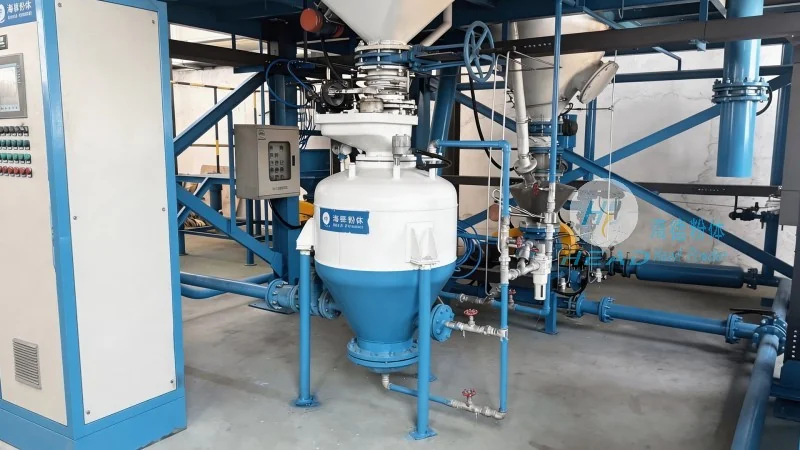
Understanding the Core Components of a Lightweight Aggregate Powder Conveying Line
A typical lightweight aggregate powder conveying line consists of several key components that work in tandem to achieve effective material transport. The primary components include the material feed system, conveying equipment (such as pneumatic or mechanical conveyors), control systems, and dust collection units. The material feed system is responsible for introducing the lightweight aggregate powder into the conveying line, ensuring a consistent and controlled flow. This is often achieved through hoppers or feeders that can handle the bulk density and flow characteristics of the powder. The conveying equipment, whether it's a pneumatic system using air to move the particles or a mechanical system with screws, belts, or buckets, is designed to move the material from the source to the destination. Control systems are integrated to regulate the flow rate, pressure, and other operational parameters, ensuring the system operates within safe and efficient limits. Finally, dust collection units are essential to maintain air quality and prevent the release of fine particles into the environment, which is particularly important when handling powders that can be airborne and potentially hazardous.
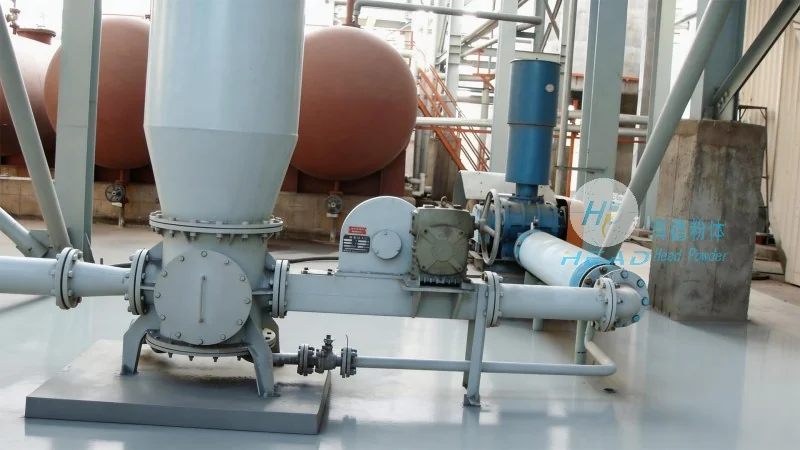
Design Principles for Efficient Lightweight Aggregate Powder Conveying
The design principles for a lightweight aggregate powder conveying line are centered on several key factors that ensure the system's effectiveness, reliability, and safety. First, the analysis of the material's physical properties is paramount. Lightweight aggregates like expanded clay or perlite have unique characteristics, including low bulk density, high porosity, and sometimes fine particle sizes. These properties affect how the material behaves during transport—such as its tendency to settle, agglomerate, or become airborne. Engineers must consider these properties when selecting the appropriate conveying method and equipment. For instance, pneumatic conveying is often preferred for fine powders due to its ability to handle low bulk densities and minimize material degradation, while mechanical conveyors may be more suitable for larger particles or bulkier materials. Second, the system's capacity and the required conveying distance are critical design considerations. The design must ensure that the conveying line can handle the desired flow rate (measured in tons per hour or cubic meters per hour) and the distance between the source and destination without excessive energy consumption or material loss. This involves selecting the right type of conveyor (e.g., positive displacement blowers for pneumatic systems or high-capacity screw conveyors for mechanical systems) and determining the appropriate air velocity or screw speed. Third, energy efficiency and operational costs are significant factors in the design. Engineers aim to minimize energy consumption by optimizing the system's design, such as using variable frequency drives (VFDs) to adjust motor speeds based on the actual load, reducing energy waste. Additionally, the system's durability and maintenance requirements are considered to ensure long-term reliability and low operational costs. Fourth, safety and environmental compliance are essential design principles. The system must be designed to prevent dust explosions, which can occur when fine powders are suspended in air. This is achieved through proper grounding, explosion-proof components, and effective dust collection. Environmental regulations also require the system to minimize emissions and maintain air quality, which is addressed through efficient filtration and ventilation systems.
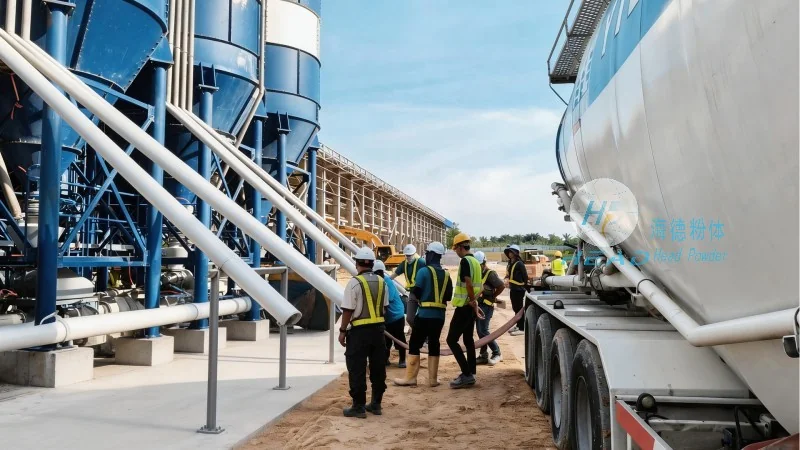
Applications and Benefits of Lightweight Aggregate Powder Conveying Lines
Lightweight aggregate powder conveying lines are widely used in various industries due to their ability to handle lightweight, fine-grained materials efficiently. In the construction industry, these systems are used to transport lightweight aggregates for concrete production, where the aggregates are mixed with cement and other materials to create lightweight concrete with improved thermal insulation and reduced weight. The efficient transport of these aggregates ensures consistent quality in the final concrete product. In manufacturing, these systems are used in the production of insulation materials, where lightweight aggregates are processed into boards or panels. The conveying lines ensure that the raw materials are delivered to the processing equipment in a controlled manner, improving production efficiency and reducing material waste. Additionally, in material processing facilities, these systems are used to handle lightweight powders for various applications, such as in the production of coatings or adhesives. The benefits of using a lightweight aggregate powder conveying line include improved material handling efficiency, reduced labor costs, minimized material loss, and enhanced safety. The systems are designed to operate continuously with minimal downtime, ensuring a steady supply of materials to downstream processes. Furthermore, the use of advanced control systems allows for real-time monitoring and adjustment of the conveying process, enabling operators to optimize performance and address any issues promptly.
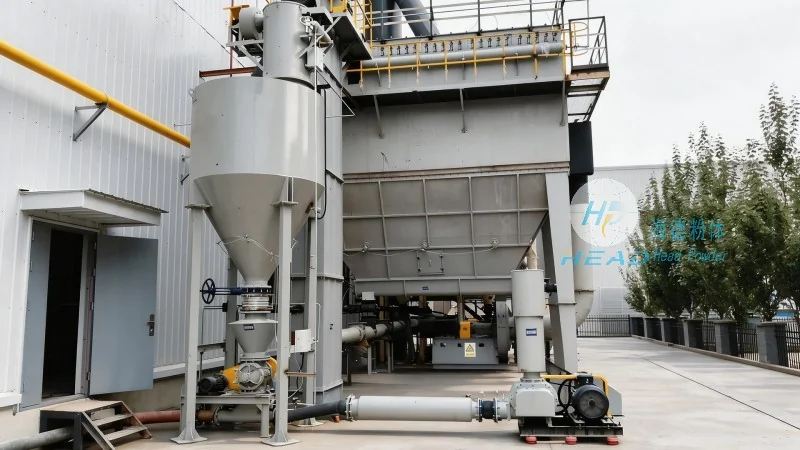
Conclusion and Company Overview
Lightweight aggregate powder conveying lines are sophisticated systems that play a crucial role in the efficient handling of lightweight, fine-grained materials. The design principles, which include material analysis, system capacity, energy efficiency, safety, and environmental compliance, ensure that these systems operate reliably and effectively. The components of the system, including feeders, conveyors, control systems, and dust collection units, work together to achieve optimal performance. The applications of these systems span multiple industries, including construction, manufacturing, and material processing, where they contribute to improved production efficiency and product quality. As a leading provider in this field, Shandong HeadPowder Engineering Co., Ltd., based in China, specializes in designing and manufacturing customized lightweight aggregate powder conveying lines tailored to the specific needs of clients. With a focus on engineering excellence and customer satisfaction, the company ensures that its systems meet the highest standards of performance, safety, and durability. By leveraging advanced technology and expertise, Shandong HeadPowder Engineering Co., Ltd. helps clients optimize their material handling processes and achieve their operational goals.