

What is a Casting Gray Powder Conveying Line? What Are Its Design Principles?
When it comes to the efficient handling of gray powder in casting processes, the design and implementation of a specialized conveying line are crucial. This article delves into the concept of a casting gray powder conveying line, exploring its core functions and the underlying design principles that ensure optimal performance in industrial settings.
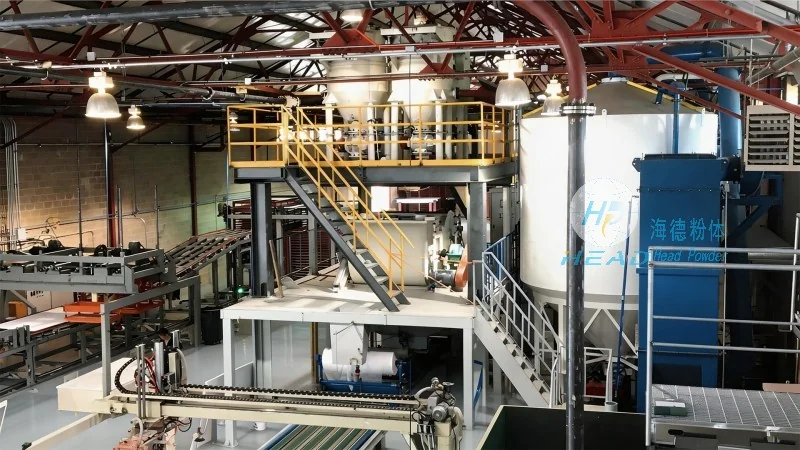
Understanding the Casting Gray Powder Conveying Line
A casting gray powder conveying line is a system engineered to transport gray powder, a common byproduct or material in foundry operations, from one location to another with precision and efficiency. These lines are integral to modern casting facilities, as they help maintain workflow continuity, reduce material waste, and enhance overall operational safety. The system typically includes components such as hoppers, conveyors, control panels, and dust collection units, all working in tandem to ensure the smooth movement of the powder throughout the production process.
The Core Components of a Casting Gray Powder Conveying Line
At the heart of any effective conveying line lies a combination of specialized equipment designed to handle the unique properties of gray powder. The primary components include:
1. Hoppers: These are large containers used to store and feed the gray powder into the conveying system. They are often equipped with level sensors to monitor the material volume and prevent overfilling or underfilling.
2. Conveyors: Depending on the application, various types of conveyors may be employed. For example, pneumatic conveyors use air pressure to move the powder through a network of pipes, while mechanical conveyors, such as screw or belt conveyors, rely on mechanical force to transport the material. The choice of conveyor type depends on factors like the powder's moisture content, particle size, and the required distance of transport.
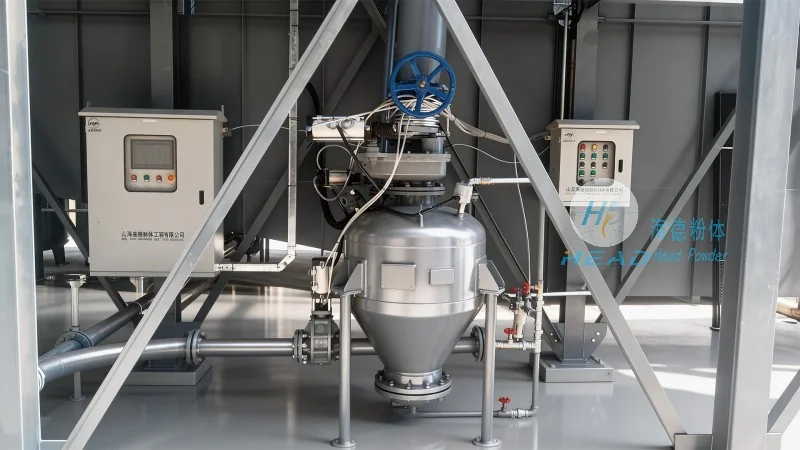
3. Control Panels: These systems manage the operation of the conveying line, allowing operators to start, stop, and adjust the flow rate as needed. They may also include safety features like emergency stop buttons and alarms to prevent accidents.
4. Dust Collection Units: Given that gray powder can be fine and potentially hazardous, dust collection systems are essential to capture and filter airborne particles, ensuring a safe working environment and compliance with environmental regulations.
Design Principles for Optimal Performance
The design of a casting gray powder conveying line is guided by several key principles aimed at maximizing efficiency, reliability, and safety. These principles include:
1. Material Compatibility: The components of the conveying line must be compatible with the properties of the gray powder, including its chemical composition, moisture content, and particle size. For instance, materials like stainless steel or special alloys may be used to prevent corrosion or contamination.
2. Flow Optimization: The design aims to minimize friction and resistance within the system to ensure consistent and uniform flow of the powder. This involves selecting appropriate conveyor speeds, pipe diameters, and angles to prevent blockages or segregation of the material.
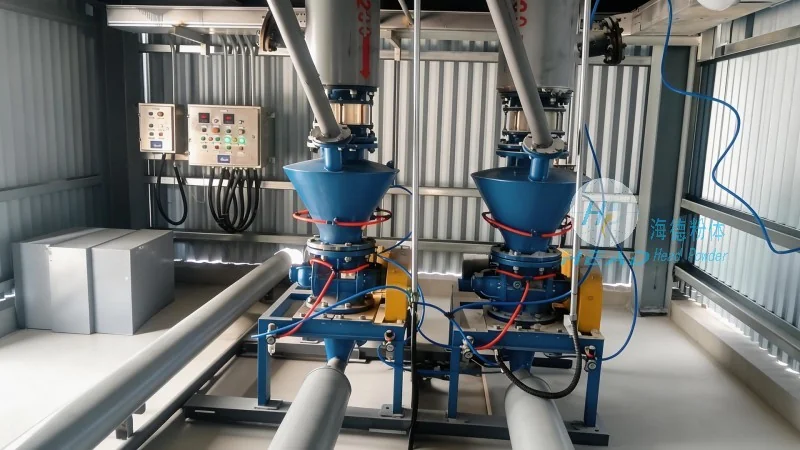
3. Safety and Environmental Considerations: The system must incorporate safety features to protect operators from dust exposure and mechanical hazards. Additionally, it should comply with local environmental regulations regarding emissions and waste disposal.
4. Scalability and Flexibility: A well-designed conveying line should be adaptable to changes in production volume or material specifications. This may involve modular components that can be easily added or removed to adjust the system's capacity.
Applications in Foundry Operations
Casting gray powder conveying lines are widely used in various foundry processes, including the handling of sand, slag, and other powders. They are particularly beneficial in applications where the material needs to be transported over long distances or between different processing stages. For example, in a typical sand casting facility, the conveying line may transport gray sand from a storage area to the molding machine, ensuring a continuous supply of material for the production of castings.
Conclusion
In summary, a casting gray powder conveying line is a critical component in modern casting operations, designed to efficiently transport gray powder while adhering to safety and environmental standards. The design principles, which prioritize material compatibility, flow optimization, and safety, ensure that these systems deliver reliable performance in demanding industrial environments. Companies like Shandong HeadPowder Engineering Co., Ltd., based in China, specialize in the design and manufacturing of such conveying lines, providing tailored solutions to meet the specific needs of foundry operations worldwide.