

What is an Oxide Chromia Powder Conveying Line? And What Are Its Design Principles?
When discussing the handling and transportation of oxide chromia powder, a specialized system known as an oxide chromia powder conveying line plays a crucial role. This equipment is designed to efficiently transport fine oxide chromia powder from one location to another, ensuring minimal loss and maintaining the powder's quality. The design principles behind such a system are intricate, focusing on factors like material properties, operational efficiency, and safety.
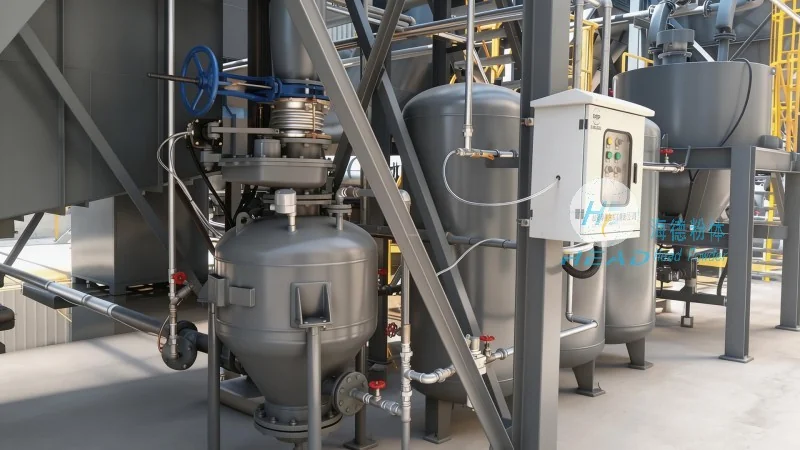
Understanding the Oxide Chromia Powder Conveying Line
Oxide chromia powder, often used in various industrial applications such as ceramics, pigments, and coatings, requires careful handling due to its fine particle size and potential reactivity. A conveying line for this powder must address these challenges by employing appropriate technologies and components. The system typically includes components like hoppers, feeders, conveyors, and control systems, all working in tandem to achieve seamless material transport.
Key Design Principles of the Conveying Line
The design of an oxide chromia powder conveying line is governed by several fundamental principles aimed at optimizing performance and reliability. First, the system must consider the physical properties of the powder, including its particle size distribution, density, and flowability. These characteristics influence the choice of conveyor type, such as pneumatic or mechanical systems. For oxide chromia, which is often a fine powder, pneumatic conveying is commonly preferred due to its ability to handle low-density materials without the need for high-pressure mechanical components.
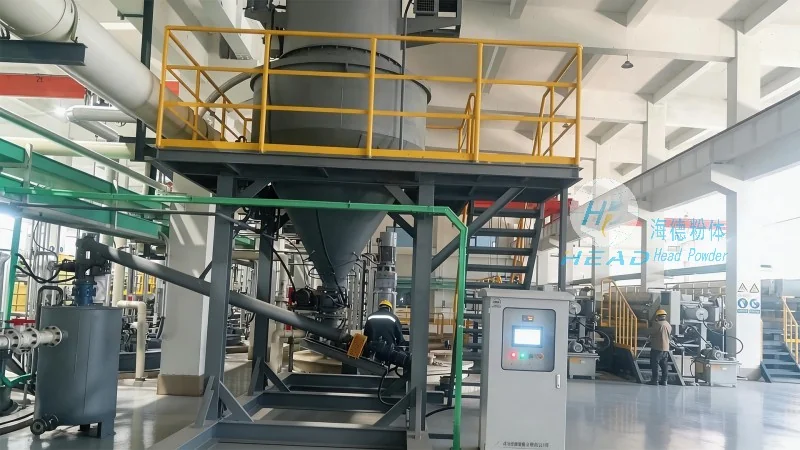
Second, the design emphasizes energy efficiency and operational cost reduction. Engineers aim to minimize energy consumption while maximizing throughput. This involves selecting the right type of conveyor, optimizing the system layout, and implementing effective control mechanisms. For instance, variable speed drives can be used to adjust the conveyor speed based on the material flow rate, preventing energy waste during low-demand periods.
Third, safety is a critical design consideration. Oxide chromia powder can be hazardous if inhaled or if it comes into contact with skin. The conveying line must incorporate features like dust collection systems, explosion-proof components, and proper sealing to prevent dust emissions and ensure operator safety. Additionally, the system should be designed to handle potential blockages or overloads, with safety valves and emergency shut-off mechanisms in place.
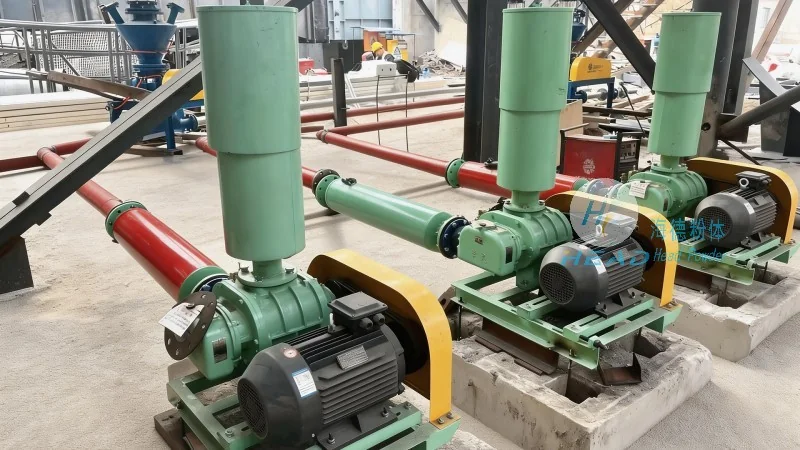
Components and Their Functions in the Conveying Line
The oxide chromia powder conveying line consists of several key components, each serving a specific function. The hopper is the initial storage unit where the powder is loaded. It is designed to maintain the powder's integrity and prevent segregation. The feeder, often a rotary valve or a screw feeder, regulates the flow of powder from the hopper to the conveyor. This component ensures a consistent and controlled feed rate, which is crucial for maintaining the conveyor's efficiency.
The conveyor itself is the core of the system, responsible for transporting the powder. In pneumatic conveying systems, this is typically a pipeline where compressed air carries the powder particles. The pipeline design, including bends and fittings, is carefully engineered to minimize pressure drop and prevent particle deposition. Mechanical conveyors, such as belt or screw conveyors, are also used for certain applications, especially when handling larger or more abrasive particles.
The control system is another vital component, responsible for monitoring and regulating the entire process. Sensors are used to detect the powder level in the hopper, the flow rate, and any blockages. The control system adjusts the feeder speed and conveyor operation based on these inputs, ensuring smooth and continuous operation. Additionally, the system may include alarms and indicators to alert operators of any deviations or issues, enhancing safety and operational reliability.
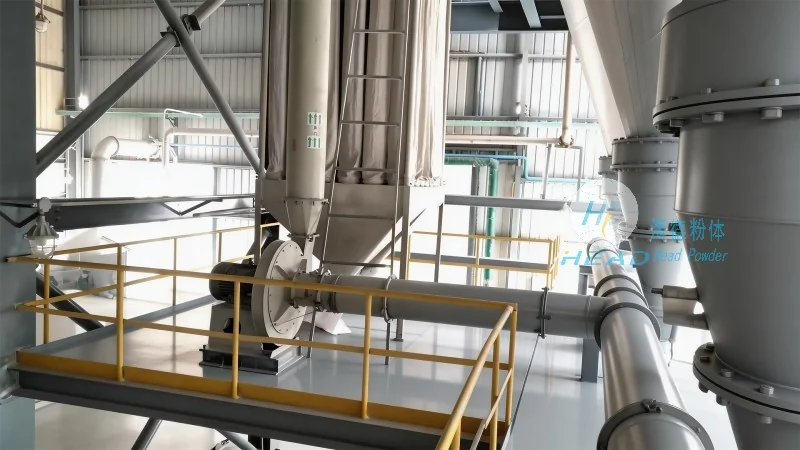
Applications and Benefits of the Oxide Chromia Powder Conveying Line
The oxide chromia powder conveying line finds applications in various industries where fine powder handling is essential. In the ceramics industry, it is used to transport oxide chromia as a raw material for glazes and pigments. In the pigment and coating industry, the line ensures consistent delivery of the powder to production lines, maintaining product quality. The benefits of using such a system include improved efficiency, reduced material loss, enhanced safety, and lower operational costs.
By adhering to the design principles and utilizing appropriate components, the oxide chromia powder conveying line can effectively meet the demands of modern industrial processes. The system's ability to handle fine powders with precision and reliability makes it an indispensable tool in industries relying on oxide chromia powder.