

What is a Continuous Powder Conveyor? What Are Its Design Principles?
For industries dealing with bulk powder handling, understanding the technology behind continuous powder conveyors is crucial. These systems are engineered to transport powders and granular materials efficiently and reliably, playing a vital role in various manufacturing and processing applications. In this article, we explore what continuous powder conveyors are and delve into their fundamental design principles, providing insights into how they operate and why they are essential in modern material handling solutions.
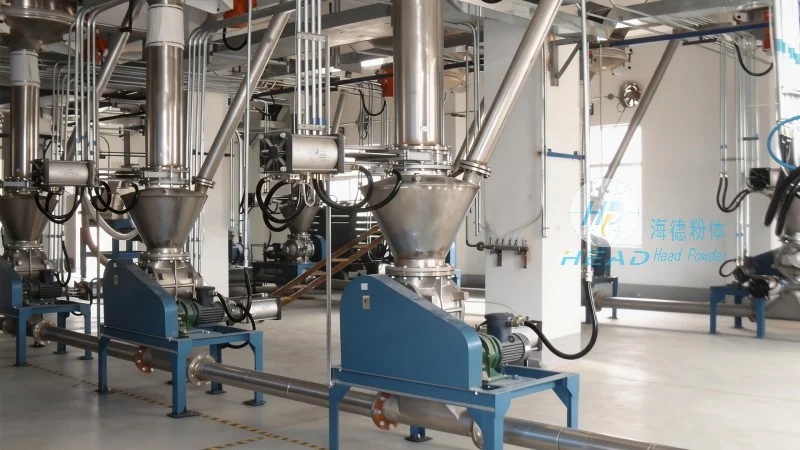
Understanding Continuous Powder Conveyors
Continuous powder conveyors are specialized equipment designed to transport bulk powders and granular materials in a continuous flow. Unlike traditional batch or intermittent systems, these conveyors operate continuously, ensuring a steady and consistent flow of material from the source to the destination. The primary goal is to minimize material degradation, maintain product integrity, and enhance operational efficiency. The design of these systems is tailored to handle a wide range of materials, including fine powders, bulk solids, and granules, making them versatile solutions for diverse industrial needs.
Key Components of Continuous Powder Conveyors
Continuous powder conveyors typically consist of several key components that work in harmony to ensure smooth operation. These include the feeding mechanism, the conveyor itself (such as screw, pneumatic, or belt conveyors), control systems, and material handling accessories. The feeding mechanism is responsible for introducing the material into the conveyor system, ensuring a uniform flow. The conveyor, whether it's a screw conveyor, pneumatic conveyor, or other type, transports the material through the system. Control systems monitor and regulate the flow, ensuring optimal performance. Accessories like hoppers, chutes, and dust collection systems are also integral to the overall operation, enhancing safety and efficiency.
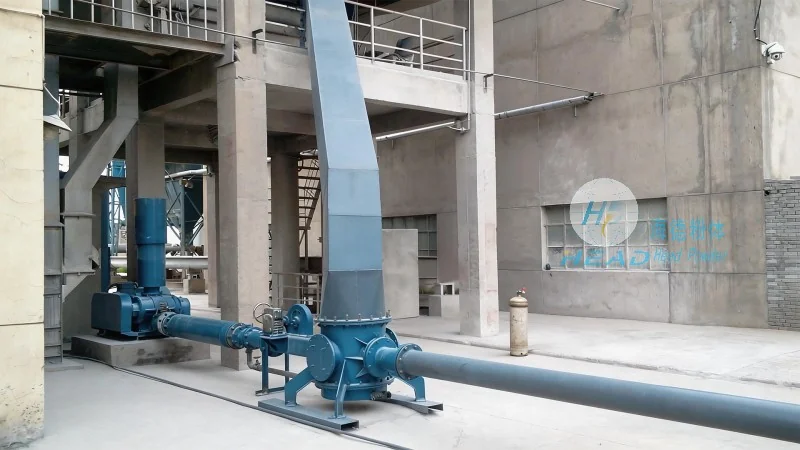
Design Principles for Continuous Powder Conveyors
The design of continuous powder conveyors is guided by several critical principles to ensure effectiveness and reliability. These principles include material compatibility, flow control, and energy efficiency. Material compatibility is essential, as the conveyor components must be resistant to the specific powders being handled, preventing corrosion or degradation. Flow control mechanisms, such as variable speed drives and pressure regulators, ensure that the material moves at the desired rate, preventing blockages or overloading. Energy efficiency is another key consideration, as minimizing energy consumption reduces operational costs and environmental impact. Additionally, the design must account for factors like space constraints, material density, and the required throughput, ensuring the system meets the specific needs of the application.
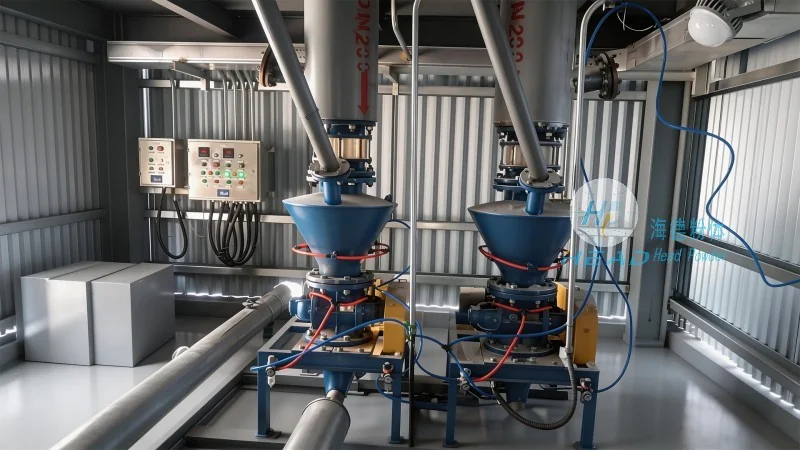
Applications of Continuous Powder Conveyors
Continuous powder conveyors are widely used across various industries, including pharmaceuticals, food processing, chemical manufacturing, and mining. In the pharmaceutical industry, these systems are used to transport active ingredients and excipients with high precision, ensuring product purity and consistency. In food processing, they handle ingredients like flour, sugar, and spices, maintaining food safety standards. Chemical manufacturers use them to transport raw materials and finished products, while mining operations rely on them to transport ore and other bulk materials. The versatility of continuous powder conveyors makes them indispensable in these and other sectors, supporting efficient production and material handling processes.
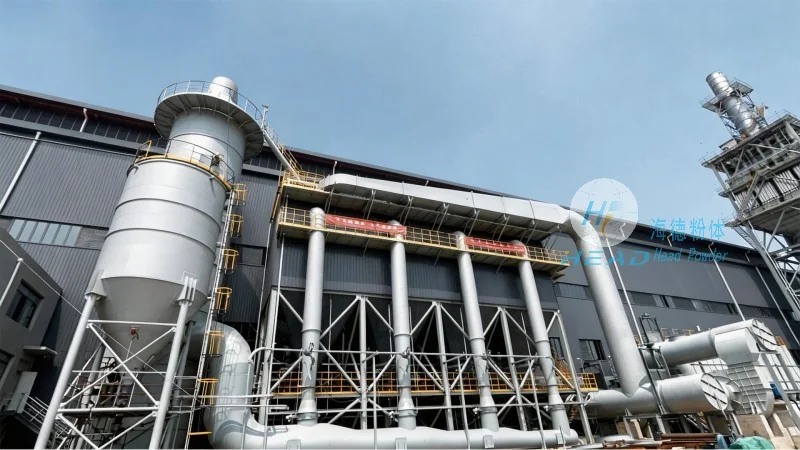
Advantages of Using Continuous Powder Conveyors
Implementing continuous powder conveyors offers numerous advantages over traditional material handling methods. One of the primary benefits is the ability to maintain a continuous flow of material, reducing downtime and increasing productivity. These systems also minimize material degradation, preserving the quality and integrity of the product. Additionally, they enhance safety by reducing the risk of dust explosions and other hazards associated with manual handling. Energy efficiency is another significant advantage, as modern designs incorporate advanced technologies to minimize energy consumption. The ability to handle a wide range of materials and adjust to varying throughput requirements further adds to their appeal, making them a cost-effective solution for many industries.
Conclusion
Continuous powder conveyors are sophisticated systems that play a critical role in modern material handling. By understanding their design principles and applications, industries can leverage these technologies to enhance efficiency, maintain product quality, and reduce operational costs. As technology continues to advance, continuous powder conveyors will likely evolve to meet the growing demands of various sectors, ensuring their continued relevance in the industrial landscape. For businesses seeking reliable and efficient bulk material transport solutions, continuous powder conveyors represent a robust and effective choice.