

What is a Zinc Oxide Powder Conveying Machine? What is its Design Principle?
When it comes to handling and transporting zinc oxide powder, the choice of equipment is crucial for efficiency and safety in industrial applications. A specialized device known as a zinc oxide powder conveying machine plays a vital role in these processes. This article will explore the fundamental aspects of such a machine, including its design principles and operational features.
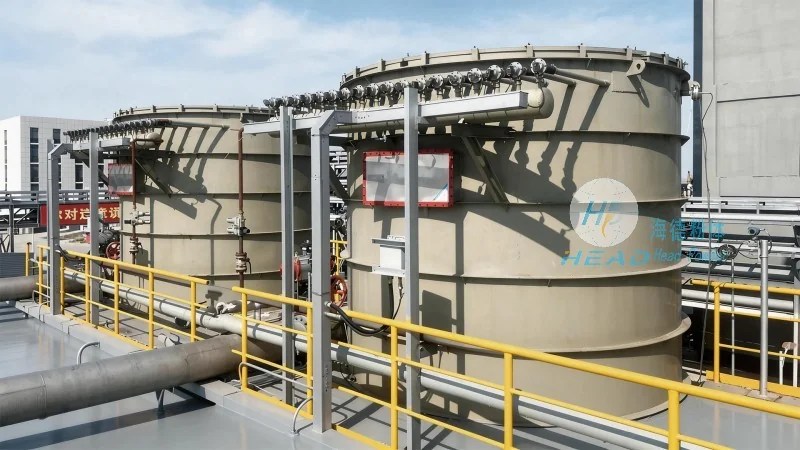
Introduction to Zinc Oxide Powder Conveying Machines
Zinc oxide powder conveying machines are engineered to transport zinc oxide powder, a widely used chemical in various industries such as rubber, ceramics, and pharmaceuticals. The primary function of these machines is to move the fine powder from one location to another with minimal loss and contamination. The design of these machines is tailored to address the unique challenges posed by zinc oxide powder, including its fine particle size, hygroscopic nature, and potential for dust generation.
Key Components and Design Principles
The design of a zinc oxide powder conveying machine typically involves several key components that work in harmony to ensure efficient and reliable operation. These components include a hopper for material storage, a conveyor system (often a screw or pneumatic conveyor), and a control system for regulating the flow of powder. The hopper is designed with a sloped bottom to facilitate smooth discharge of the powder, preventing clogging and ensuring consistent material flow. The conveyor system is chosen based on the specific characteristics of zinc oxide powder, such as its density and flowability. For instance, a screw conveyor may be used for materials with good flowability, while a pneumatic conveyor might be preferred for more delicate or fine powders to avoid particle degradation.
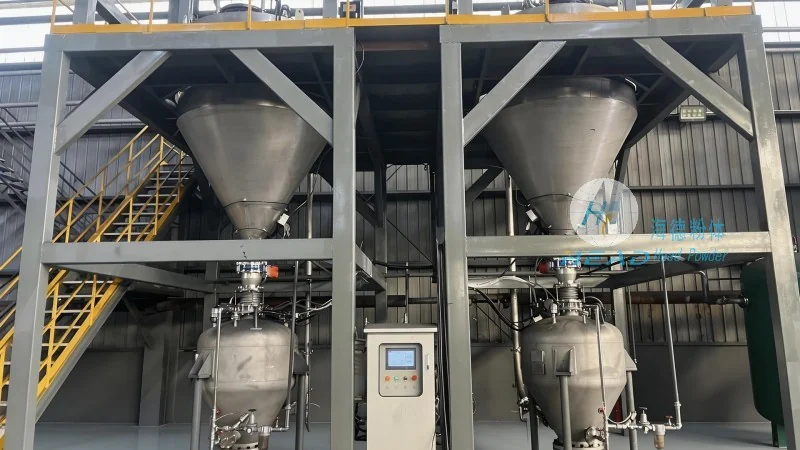
One of the critical design principles is the minimization of dust generation and exposure. This is achieved through features like sealed hoppers, enclosed conveyor systems, and dust collection mechanisms. The machine is also designed to handle the hygroscopic nature of zinc oxide powder, which can absorb moisture from the air. To prevent clumping and maintain powder quality, the conveying system is often equipped with heating elements or insulated sections to keep the powder at a stable temperature. Additionally, the design incorporates materials that are resistant to corrosion and chemical reactions, as zinc oxide can be reactive under certain conditions.
Operational Mechanisms and Efficiency
The operational mechanism of a zinc oxide powder conveying machine varies depending on the type of conveyor used. A screw conveyor, for example, consists of a rotating screw inside a tube. As the screw rotates, it pushes the powder forward, creating a continuous flow. This method is effective for materials with moderate flowability and can handle relatively large volumes. On the other hand, a pneumatic conveyor uses compressed air to transport the powder through a pipeline. The powder is suspended in the air stream and carried to the destination. This method is particularly suitable for fine powders that are prone to clogging in mechanical conveyors.
Efficiency in zinc oxide powder conveying is enhanced by several factors. The control system allows for precise regulation of the flow rate, ensuring that the powder is delivered at the required speed without overloading the system. This prevents issues such as clogging or excessive pressure buildup. The machine is also designed for easy maintenance, with accessible components that can be cleaned or replaced without extensive downtime. This is important for maintaining the quality of the powder and ensuring consistent performance over time.
Applications and Benefits in Industrial Settings
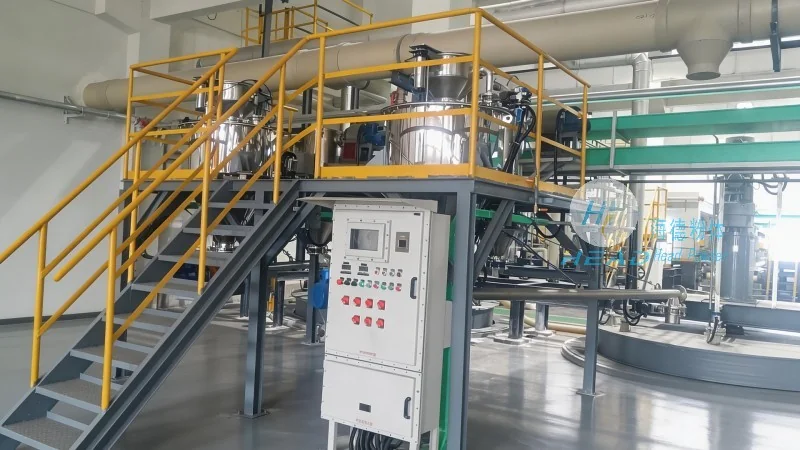
Zinc oxide powder conveying machines are widely used in various industrial applications due to their ability to handle the specific properties of zinc oxide powder. In the rubber industry, for example, zinc oxide is used as a vulcanizing agent and a filler. The conveying machine ensures that the powder is delivered to the mixing equipment in a controlled manner, maintaining the quality of the final product. In the ceramics industry, zinc oxide is used as a pigment and a flux. The machine helps in transporting the powder to the production lines, where it is mixed with other raw materials. The benefits of using a specialized conveying machine include improved safety by reducing dust exposure, increased efficiency through consistent flow rates, and better product quality by preventing contamination and clumping.
Conclusion and Company Information
In conclusion, a zinc oxide powder conveying machine is a critical piece of equipment for industries that rely on zinc oxide powder. Its design principles are tailored to address the unique challenges of handling this fine, hygroscopic powder, ensuring efficient and safe transportation. The machine's components, operational mechanisms, and design features work together to provide reliable performance in industrial settings. For companies seeking to optimize their zinc oxide powder handling processes, investing in a well-designed conveying machine is essential. Shandong HeadPowder Engineering Co., Ltd., a leading manufacturer in this field, specializes in providing high-quality conveying solutions tailored to the specific needs of their clients. With their expertise and commitment to quality, they offer machines that enhance operational efficiency and product safety. Based in Shandong, China, the company leverages its local resources and industry knowledge to deliver innovative solutions for powder handling challenges.