

What is the Iron(II) Oxide Powder Conveyor? Exploring Its Design Principles
For industrial operations dealing with iron(II) oxide powder, selecting the right conveying equipment is crucial for efficiency and safety. The iron(II) oxide powder conveyor, a specialized piece of machinery, is designed to handle the unique challenges posed by this type of material. This article delves into what the iron(II) oxide powder conveyor is and the underlying design principles that make it effective in various industrial settings.
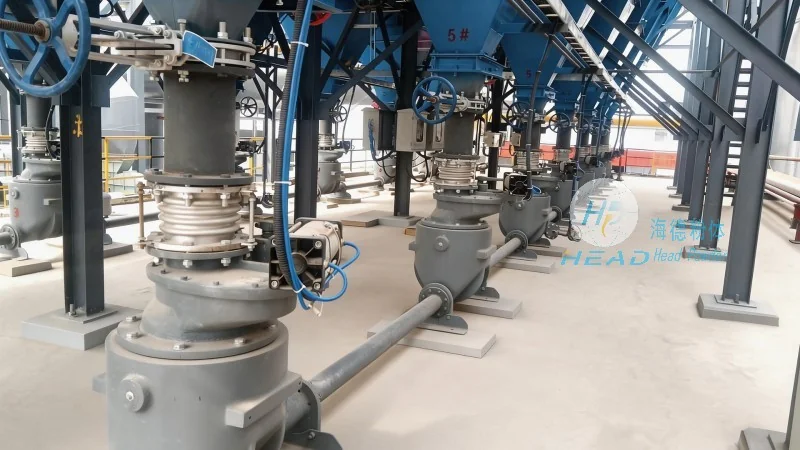
HeadPowder, a leading manufacturer based in Shandong, China, specializes in the development and production of advanced powder handling systems. With a strong commitment to quality and innovation, the company has established itself as a trusted partner in the industry, providing tailored solutions for diverse material handling needs.
Design Principles of the Iron(II) Oxide Powder Conveyor
The design of an iron(II) oxide powder conveyor is built upon several key principles to ensure optimal performance, reliability, and safety. These principles address the physical and chemical properties of iron(II) oxide powder, which can be abrasive, prone to static charge, and require gentle handling to prevent degradation or contamination.
Firstly, the conveyor system incorporates robust materials to withstand the abrasive nature of iron(II) oxide. Components such as the hopper, chute, and conveyor belt are typically made from high-quality stainless steel or wear-resistant alloys, minimizing the risk of wear and tear over time. This material choice also ensures compliance with hygiene standards, which is essential in industries where the powder may be used in food or pharmaceutical applications.
Secondly, the design prioritizes the prevention of static electricity buildup. Iron(II) oxide is a conductive material, but its fine particle size can still generate static charges during handling. To mitigate this, the conveyor features grounding mechanisms and anti-static coatings on the conveyor belt and other metal components. This ensures that the powder remains safely discharged without causing sparks or electrical hazards.
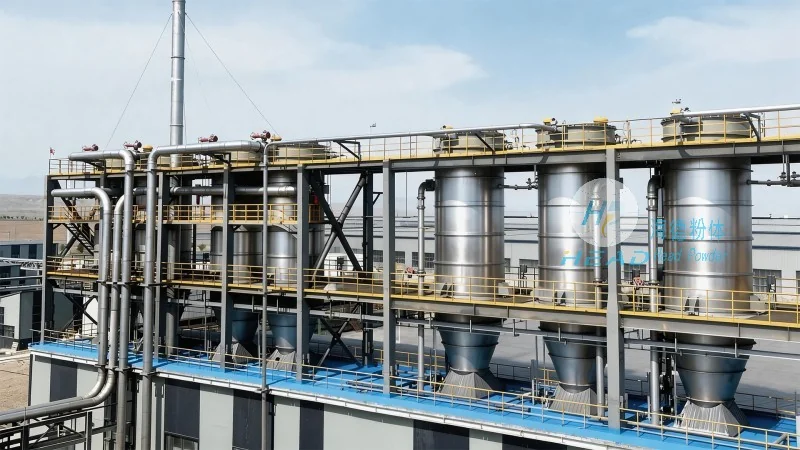
Thirdly, the system is engineered for gentle material handling. The use of smooth, low-friction surfaces and controlled acceleration and deceleration rates prevents the agglomeration of particles and reduces the risk of product degradation. The conveyor’s design also includes features like vibration dampening and adjustable speed controls, allowing operators to optimize the conveying process based on the specific characteristics of the iron(II) oxide powder being handled.
Additionally, the control system of the iron(II) oxide powder conveyor is designed for precision and safety. Advanced sensors and feedback mechanisms monitor the flow rate, pressure, and temperature of the material, providing real-time data to operators. This allows for immediate adjustments to prevent overloading or blockages, which are common issues with fine powders like iron(II) oxide. The control panel is typically equipped with emergency stop buttons and safety interlocks, ensuring that the system can be quickly shut down in case of an emergency.
Key Features and Benefits of the Iron(II) Oxide Powder Conveyor
The iron(II) oxide powder conveyor from HeadPowder offers several advantages that make it a preferred choice for industrial applications. These features are tailored to address the specific challenges of handling iron(II) oxide, ensuring high efficiency and minimal downtime.
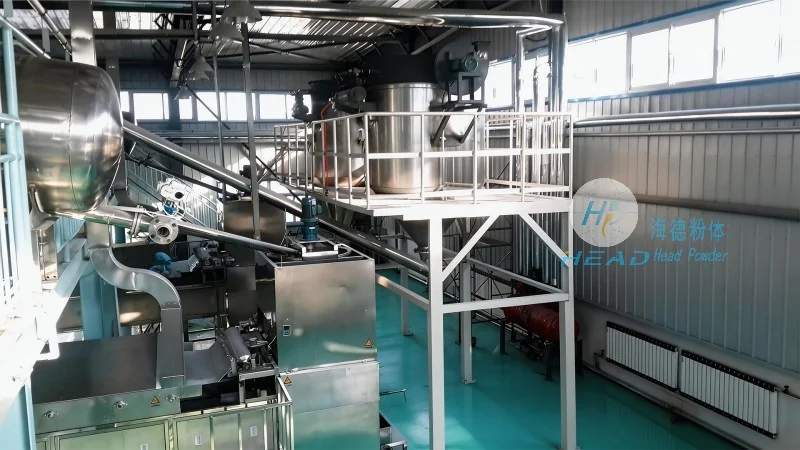
One of the primary benefits is its high conveying capacity. The conveyor is designed to handle large volumes of iron(II) oxide powder, with adjustable speed settings that allow operators to match the flow rate to production demands. This ensures that the material is moved efficiently from storage to processing areas without bottlenecks.
Another key feature is its durability and low maintenance requirements. The robust construction and use of wear-resistant materials reduce the need for frequent repairs or replacements, lowering operational costs over the long term. The anti-static and hygiene features also contribute to a cleaner and safer working environment, reducing the risk of contamination and improving product quality.
The conveyor’s flexibility is another significant advantage. It can be customized to fit specific plant layouts and production requirements. For example, the system can be equipped with multiple inlets and outlets, allowing for the integration of multiple processing lines or the transfer of material to different storage locations. The modular design also enables easy installation and maintenance, minimizing disruption to production schedules.
Conclusion
The iron(II) oxide powder conveyor is a critical piece of equipment for industries that rely on iron(II) oxide powder. Its design, based on robust materials, anti-static features, and gentle handling principles, ensures that the material is conveyed safely and efficiently. HeadPowder, with its expertise and commitment to quality, provides reliable solutions that meet the diverse needs of industrial clients. By understanding the design principles and features of this equipment, businesses can optimize their material handling processes and enhance overall operational performance.