

What is a Phosphate Iron Lithium Powder Conveying Machine? What Are Its Design Principles?
Phosphate iron lithium (LFP) is a critical material in modern battery technology, widely used in electric vehicles and renewable energy storage systems. The efficient handling and transportation of LFP powder are essential for industrial production processes. This article explores the concept of a phosphate iron lithium powder conveying machine and delves into its fundamental design principles, highlighting how these systems ensure reliable and safe material transport in manufacturing environments.
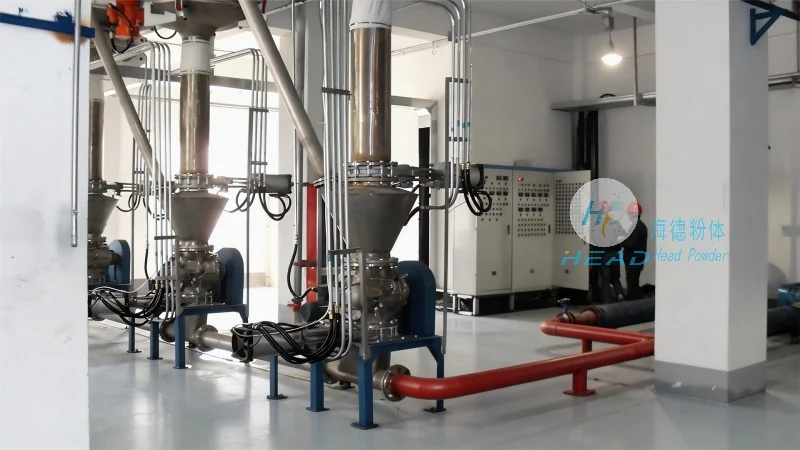
Understanding the Role of Phosphate Iron Lithium Powder Conveying Machines
Phosphate iron lithium powder conveying machines are specialized equipment designed to transport LFP powder from storage silos or processing units to production lines. These machines are integral to battery manufacturing facilities, where precise material handling is crucial for maintaining product quality and operational efficiency. The primary function of such equipment is to move LFP powder in a controlled manner, minimizing dust generation and ensuring consistent flow rates. This is particularly important given the sensitivity of LFP powder to moisture and contamination, which can affect battery performance and lifespan.
Key Design Principles of Phosphate Iron Lithium Powder Conveying Systems
The design of phosphate iron lithium powder conveying machines is guided by several key principles to ensure optimal performance and safety. First, the equipment must be constructed from materials that are compatible with LFP powder, typically stainless steel or specialized coatings to prevent corrosion and material degradation. This is vital because LFP powder can be abrasive and may react with certain metals, leading to equipment wear or contamination. Second, the conveying system incorporates dust control measures, such as sealed housing and filtration systems, to maintain a clean working environment and comply with industrial safety standards. Third, the design prioritizes energy efficiency, using low-power motors and optimized flow paths to reduce operational costs while maintaining high throughput. Additionally, the system is engineered for easy maintenance, with accessible components and modular designs that allow for quick repairs and component replacement, minimizing downtime in production.
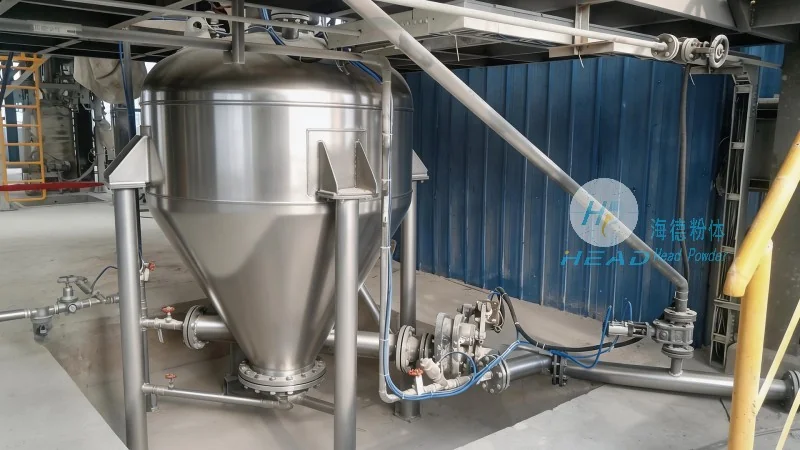
Components and Operational Mechanisms
Phosphate iron lithium powder conveying machines typically consist of several key components that work in tandem to achieve efficient material transport. The primary components include a hopper for material storage, a conveying mechanism (such as a screw conveyor or pneumatic system), a control panel for operation, and a dust collection system. The hopper is designed with a sloped bottom to facilitate smooth material flow, preventing clogging and ensuring consistent feed to the conveying system. The conveying mechanism, often a screw or auger, rotates to push the LFP powder forward through the system. Pneumatic systems, which use compressed air to move powder through pipes, are also common, especially for longer transport distances or when dealing with finer powders. The control panel allows operators to adjust flow rates, monitor system performance, and activate safety features, such as emergency stop buttons. The dust collection system, integrated into the machine, captures any airborne particles, preventing environmental contamination and protecting personnel from exposure to LFP powder.
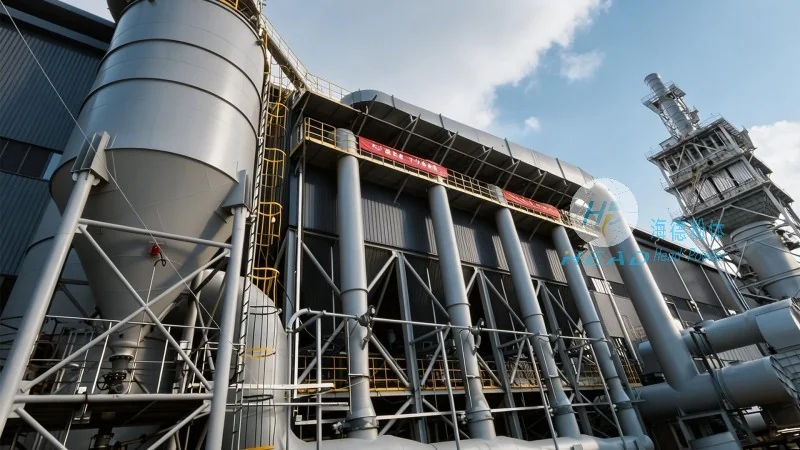
Advantages of Using Phosphate Iron Lithium Powder Conveying Machines
Implementing phosphate iron lithium powder conveying machines offers several advantages for battery manufacturers. Firstly, these systems enhance operational efficiency by automating the material handling process, reducing the need for manual labor and minimizing the risk of human error. This leads to consistent and reliable production, which is critical for meeting demand in the rapidly growing electric vehicle and renewable energy markets. Secondly, the design of these machines minimizes dust generation and contamination, ensuring that the LFP powder remains pure and free from moisture or other impurities. This is essential for producing high-quality batteries with optimal performance and longevity. Thirdly, the energy-efficient design of modern conveying systems reduces operational costs, making them a cost-effective solution for large-scale production. Additionally, the modular and easy-to-maintain design of these machines allows for quick repairs and component replacement, minimizing downtime and ensuring continuous production. These advantages make phosphate iron lithium powder conveying machines a valuable investment for manufacturers seeking to improve their production processes and maintain a competitive edge in the battery industry.
Conclusion
In conclusion, phosphate iron lithium powder conveying machines are essential equipment for the efficient and safe handling of LFP powder in battery manufacturing. The design principles behind these systems prioritize material compatibility, dust control, energy efficiency, and ease of maintenance, ensuring optimal performance in industrial settings. As the demand for electric vehicles and renewable energy storage continues to grow, the importance of reliable LFP powder handling systems will only increase. Companies like Shandong HeadPowder Engineering Co., Ltd., based in China, specialize in designing and manufacturing such equipment, providing tailored solutions to meet the specific needs of battery manufacturers. By investing in high-quality phosphate iron lithium powder conveying machines, manufacturers can enhance their production efficiency, maintain product quality, and stay competitive in the evolving battery industry.