

Types of Soybean Conveying Methods: An Overview of the Advantages and Features of Pneumatic Soybean Conveying
When it comes to the efficient handling and transportation of soybeans, selecting the right conveying method is crucial for optimizing operational performance and maintaining product quality. Various options are available, each with its own set of characteristics and applications. This article provides an overview of common soybean conveying methods, with a particular focus on the benefits and features of pneumatic conveying systems, as offered by Shandong HeadPowder Engineering Co., Ltd., a leading provider in the field.
Common Soybean Conveying Methods
Traditional soybean conveying methods include mechanical systems such as belt conveyors, screw conveyors, and bucket elevators. These systems rely on physical contact with the material to move it from one location to another. While effective for certain applications, they may present challenges related to maintenance, cleaning, and the potential for product degradation due to friction or impact. In contrast, pneumatic conveying offers a non-contact solution that addresses many of these limitations.
Pneumatic Soybean Conveying: A Detailed Overview
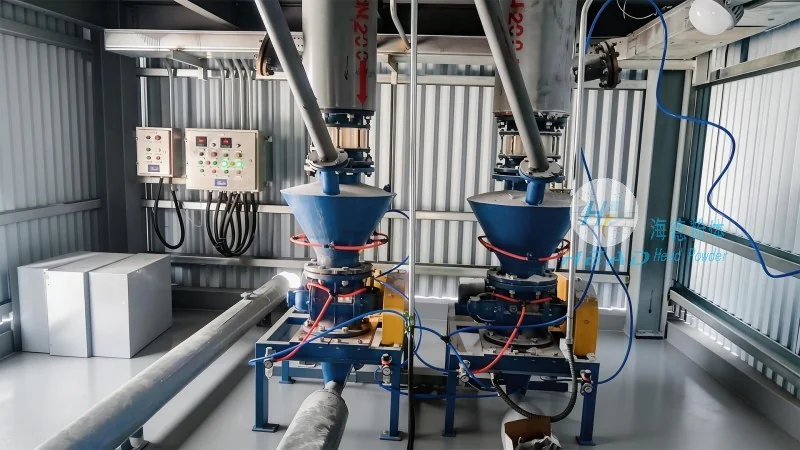
Pneumatic conveying, also known as air conveying, uses a combination of air flow and pressure to transport soybeans through a closed system of pipes. This method is particularly well-suited for handling bulk materials like soybeans, as it minimizes the risk of contamination and damage during transit. The process typically involves a blower or compressor that generates the necessary air pressure, with the soybeans being drawn or pushed through the system using air currents.
Key Advantages of Pneumatic Soybean Conveying
One of the primary advantages of pneumatic conveying for soybeans is its ability to maintain product integrity. Unlike mechanical systems that may cause abrasion or breakage, pneumatic systems use air to gently move the beans, preserving their shape and quality. This is especially important for soybeans intended for food processing or animal feed, where uniformity and minimal damage are critical.
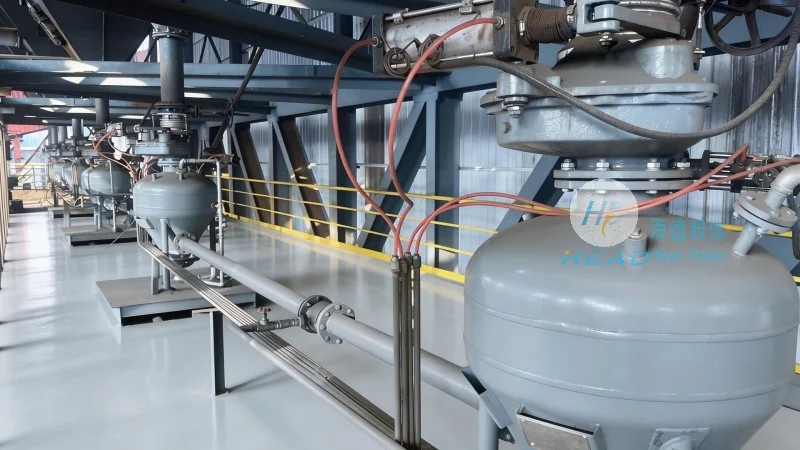
Another significant benefit is the reduced risk of contamination. Pneumatic systems are enclosed, preventing the entry of foreign particles or pathogens that could compromise the safety and quality of the soybeans. This makes them ideal for applications where hygiene is paramount, such as in food processing facilities.
Efficiency and flexibility are also key advantages. Pneumatic conveying systems can be easily adapted to different production volumes and layouts, allowing for seamless integration into existing operations. They can transport soybeans over long distances and to multiple destinations without the need for complex reconfiguration, making them a versatile solution for various industrial settings.
Technical Features of Pneumatic Soybean Conveying Systems
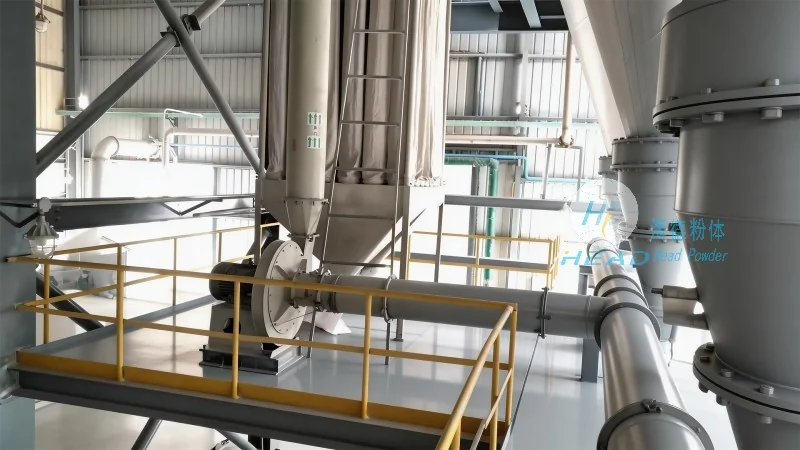
Shandong HeadPowder Engineering Co., Ltd. specializes in designing and manufacturing advanced pneumatic conveying systems tailored to the specific needs of soybean processing. Their systems incorporate several technical features that enhance performance and reliability. For instance, the use of high-efficiency blowers ensures consistent air pressure and flow, while the selection of appropriate pipe materials and diameters optimizes conveying speed and energy consumption.
The company’s expertise lies in the integration of control systems that allow for precise regulation of air pressure, flow rate, and material feed. This level of control not only improves operational efficiency but also reduces energy waste and extends the lifespan of the equipment. Additionally, their systems are equipped with monitoring and alarm features that provide real-time feedback on system performance, enabling proactive maintenance and minimizing downtime.
Applications and Industries
Pneumatic soybean conveying systems are widely used in various industries, including food processing, animal feed production, and biofuel manufacturing. In food processing, they are employed in the handling of raw soybeans for oil extraction, protein production, and other value-added products. The non-contact nature of the system ensures that the soybeans remain free from contaminants, meeting stringent food safety regulations.
In animal feed production, pneumatic conveying is used to transport soybeans to feed mills, where they are blended with other ingredients to create high-quality feed for livestock. The efficiency of the system allows for consistent feed production, even in large-scale operations. Similarly, in biofuel plants, pneumatic conveying facilitates the transport of soybeans to processing units for the production of biodiesel or other renewable energy sources.
Conclusion
When considering soybean conveying methods, pneumatic systems offer a superior solution in terms of product protection, hygiene, and operational efficiency. Shandong HeadPowder Engineering Co., Ltd. provides comprehensive solutions that leverage the latest technological advancements to meet the demands of modern soybean processing. By choosing a pneumatic conveying system from HeadPowder, businesses can enhance their production capabilities while maintaining the highest standards of quality and safety.