

Types of Powder Conveying Methods? An Introduction to the Advantages and Features of Powder Pneumatic Conveying
When it comes to transporting small powders and bulk materials, selecting the right conveying method is crucial for efficiency, cost-effectiveness, and product integrity. Various technologies are available, each with its own set of advantages and limitations. This article explores the different powder conveying methods and highlights the benefits of pneumatic conveying, a popular choice in many industrial applications.
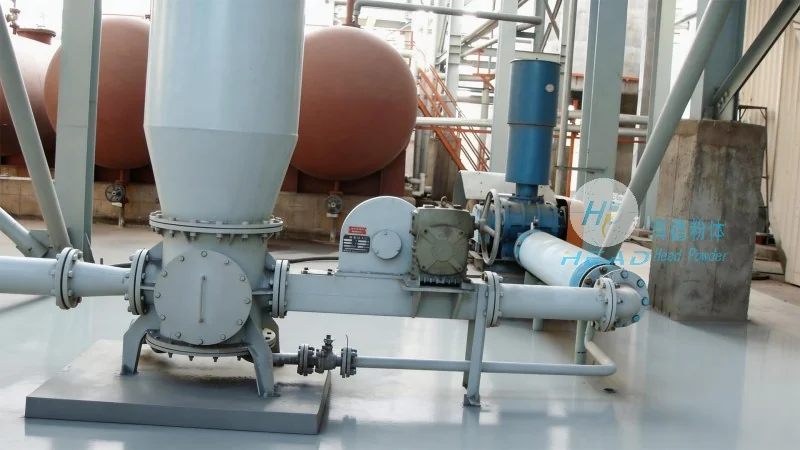
Common Powder Conveying Methods
There are several primary methods used for powder transportation, including mechanical conveyors, pneumatic systems, and hydraulic systems. Mechanical conveyors such as belt conveyors, screw conveyors, and bucket elevators are widely used for bulk materials but may not be suitable for fine powders due to issues like product degradation, clogging, and dust generation. Pneumatic conveying, on the other hand, offers a more flexible and efficient solution for handling small powders.
Pneumatic Conveying: How It Works
Pneumatic conveying uses compressed air or other gases to transport powders through a pipeline system. The process typically involves a hopper or feeder that feeds the powder into a pipeline, where it is carried by the air flow. There are two main types of pneumatic conveying: pressure and vacuum systems. Pressure systems use positive pressure to push the powder through the line, while vacuum systems use negative pressure to pull the powder from the source.
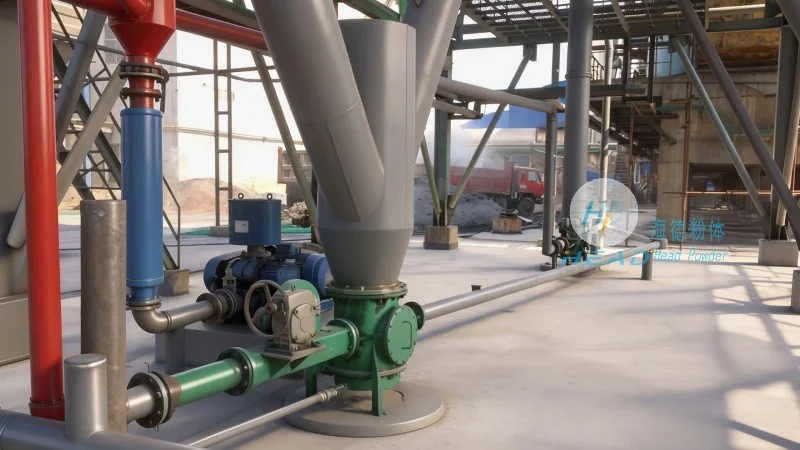
Advantages of Powder Pneumatic Conveying
HeadPowder, a leading provider of powder handling solutions, emphasizes several key advantages of pneumatic conveying for small powders. First, it offers high efficiency and flexibility, allowing for the transportation of powders over long distances and through complex layouts without the need for multiple transfer points. Second, pneumatic systems are gentle on the product, minimizing degradation and preserving the quality of sensitive powders. Third, they are highly effective in controlling dust, reducing environmental impact and improving workplace safety. Additionally, pneumatic conveying can be integrated with other processing equipment, such as mixers, dryers, and packaging machines, creating a seamless production line.
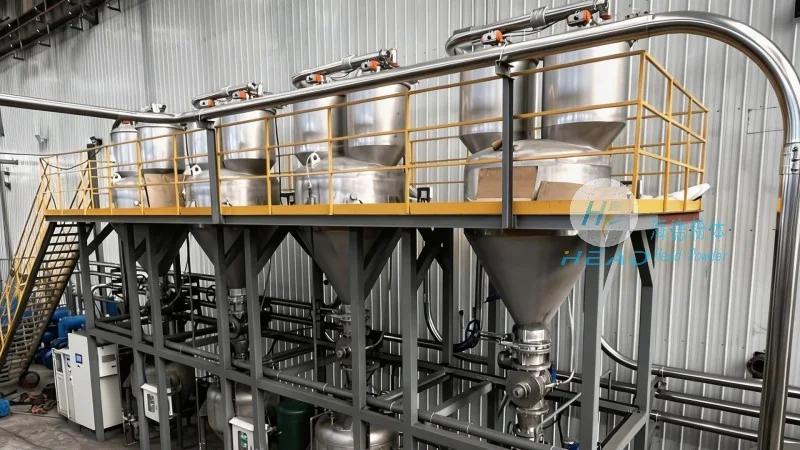
Key Features of HeadPowder's Pneumatic Conveying Solutions
Shandong HeadPowder Engineering Co., Ltd., based in Shandong, China, specializes in designing and manufacturing advanced pneumatic conveying systems tailored to the needs of various industries. Their solutions are engineered to deliver reliable performance and durability, with features such as adjustable air flow control, automatic cleaning systems, and real-time monitoring capabilities. The company's expertise in material handling ensures that their systems are optimized for different powder characteristics, including particle size, density, and moisture content.
Conclusion
Choosing the right powder conveying method is essential for optimizing industrial processes. While mechanical conveyors have their place, pneumatic conveying, particularly with the advanced solutions offered by HeadPowder, provides significant advantages in terms of efficiency, product protection, and operational flexibility. For businesses dealing with small powders, investing in a well-designed pneumatic conveying system can lead to improved productivity, reduced maintenance costs, and enhanced overall operational performance.