

What is a High-Pressure Dense-Phase Powder Conveying System? What are its Design Principles?
High-pressure dense-phase powder conveying systems represent a sophisticated technology in material handling, designed to transport bulk powders efficiently and reliably. These systems are engineered to handle a wide range of powder types, from fine powders to bulkier materials, while maintaining high conveying efficiency and minimizing product degradation. The core of such systems lies in their ability to operate under high pressure, which enables dense-phase flow, reducing the risk of segregation and ensuring consistent material transport.
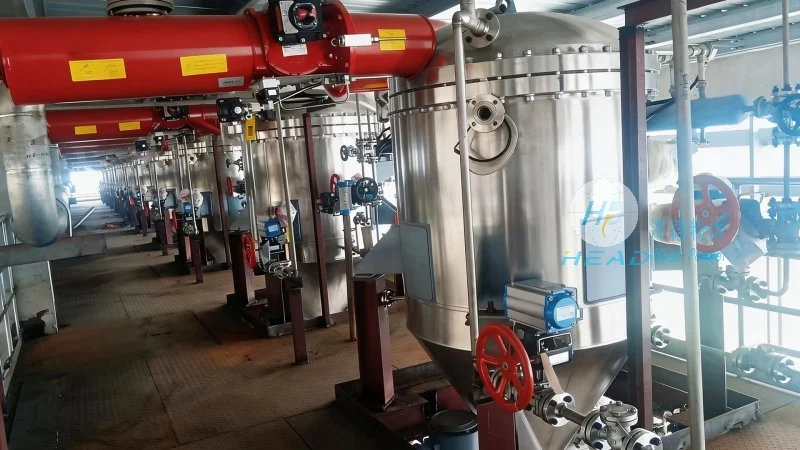
Understanding the Core Components and Design Principles
The design of a high-pressure dense-phase powder conveying system involves several key components that work in tandem to achieve optimal performance. At the heart of the system is a positive displacement pump, which generates the necessary pressure to move the powder through the pipeline. This pump is typically equipped with a robust motor and a variable speed drive, allowing for precise control over the conveying rate and pressure. The pipeline itself is often made of durable materials like stainless steel or special alloys to withstand the high pressures and abrasive nature of the powders being transported.
One of the critical design principles is the use of a venturi or a pressure drop device at the discharge end. This component helps to reduce the pressure and velocity of the powder as it exits the system, preventing material loss and ensuring a smooth transition to the final destination. Additionally, the system incorporates a control panel that monitors and regulates various parameters, including pressure, flow rate, and temperature, to maintain stable operation. The control system may include sensors and feedback mechanisms to adjust the pump speed or pressure in real-time, adapting to changes in the material being conveyed or system conditions.
Key Features and Advantages of High-Pressure Dense-Phase Systems
High-pressure dense-phase powder conveying systems offer several advantages over traditional pneumatic or gravity-based systems. The most significant benefit is the ability to achieve high conveying rates with minimal pressure drop, which reduces energy consumption and operational costs. By operating in a dense-phase mode, the system minimizes the risk of powder segregation, which is crucial for maintaining the quality and consistency of the material. This is particularly important for products that are sensitive to moisture or air exposure, as the dense-phase flow reduces the contact with the environment.
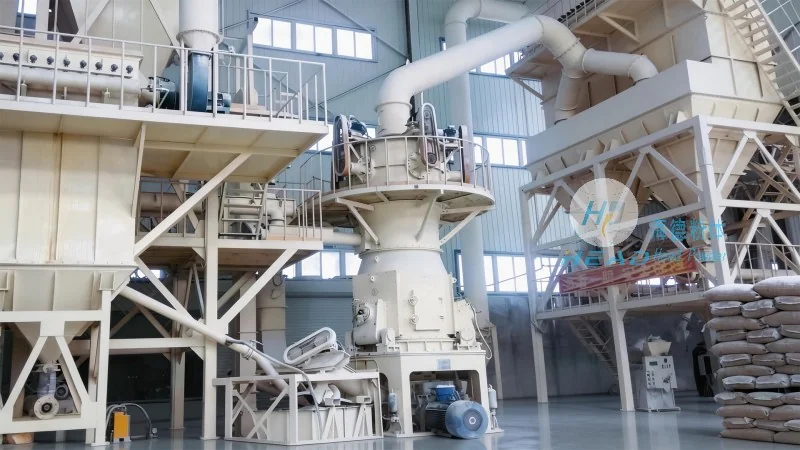
Another key advantage is the system's ability to handle a wide variety of powder characteristics, including varying particle sizes, densities, and flowability. The adjustable pump speed and pressure settings allow operators to customize the conveying parameters to suit different materials, ensuring optimal performance for each application. This flexibility makes high-pressure dense-phase systems suitable for a broad range of industries, including pharmaceuticals, food processing, chemicals, and minerals.
Application Examples and Industry Impact
High-pressure dense-phase powder conveying systems are widely used in various industrial applications. In the pharmaceutical industry, for example, these systems are used to transport active pharmaceutical ingredients (APIs) and excipients with high precision and minimal contamination. The ability to maintain a dense-phase flow ensures that the powder remains intact and free from air pockets, which is critical for maintaining the efficacy and safety of the final product. Similarly, in the food processing sector, these systems are employed to convey ingredients like flour, sugar, and spices, ensuring consistent quality and preventing cross-contamination.
In the chemical industry, high-pressure dense-phase systems are used to transport bulk chemicals, such as powders used in manufacturing fertilizers or specialty chemicals. The robust design and high-pressure capability of these systems allow them to handle abrasive and corrosive materials, extending the lifespan of the equipment and reducing maintenance costs. The ability to convey materials in a controlled manner also helps to improve safety in the workplace by minimizing dust emissions and reducing the risk of accidents.
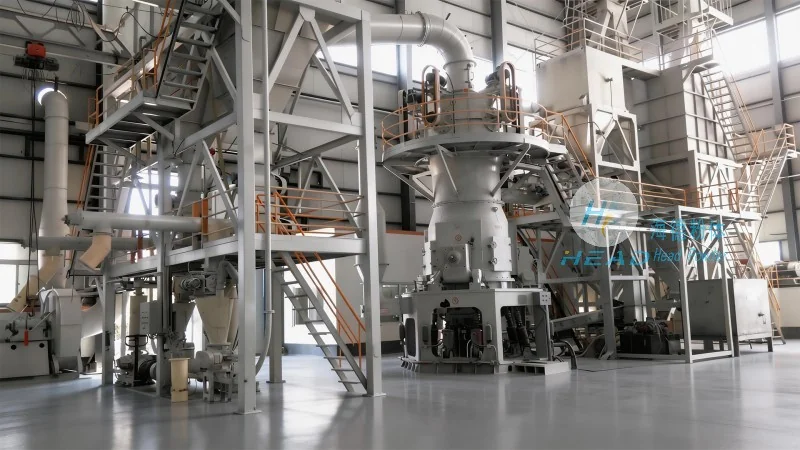
Company Overview: Shandong HeadPowder Engineering Co., Ltd.
Shandong HeadPowder Engineering Co., Ltd., commonly known as HeadPowder, is a leading manufacturer and supplier of high-pressure dense-phase powder conveying systems. With a strong focus on innovation and quality, HeadPowder has established itself as a trusted partner in the material handling industry. The company's headquarters is located in Shandong, China, where it operates a state-of-the-art manufacturing facility equipped with advanced technology and skilled personnel. HeadPowder specializes in designing and manufacturing customized conveying solutions tailored to the specific needs of its clients, ensuring that each system meets the highest standards of performance and reliability.
HeadPowder's team of engineers and technicians work closely with clients to understand their unique requirements and develop solutions that optimize material handling processes. The company's products are designed with a focus on durability, efficiency, and ease of maintenance, providing long-term value to its customers. By leveraging advanced engineering principles and cutting-edge technology, HeadPowder has developed a range of high-pressure dense-phase systems that are recognized for their superior performance and reliability in various industrial applications.
With a commitment to quality and customer satisfaction, HeadPowder continues to expand its product line and enhance its services to meet the evolving needs of the industry. The company's dedication to innovation and excellence has earned it a reputation as a leading provider of powder conveying solutions, serving clients across multiple sectors and regions. HeadPowder's expertise in high-pressure dense-phase technology ensures that its customers can rely on efficient and reliable material handling systems that enhance productivity and reduce operational costs.