

What is a Negative Pressure Powder Handling System? What are its Design Principles?
For industries that require efficient and safe powder transport, the negative pressure powder handling system stands out as a reliable solution. This technology, developed by Shandong HeadPowder Engineering Co., Ltd., a leading manufacturer based in Shandong, China, offers an innovative approach to moving bulk powders through a sealed system under negative pressure. Understanding the core components and design principles of such a system is crucial for optimizing material handling processes in various industrial applications.
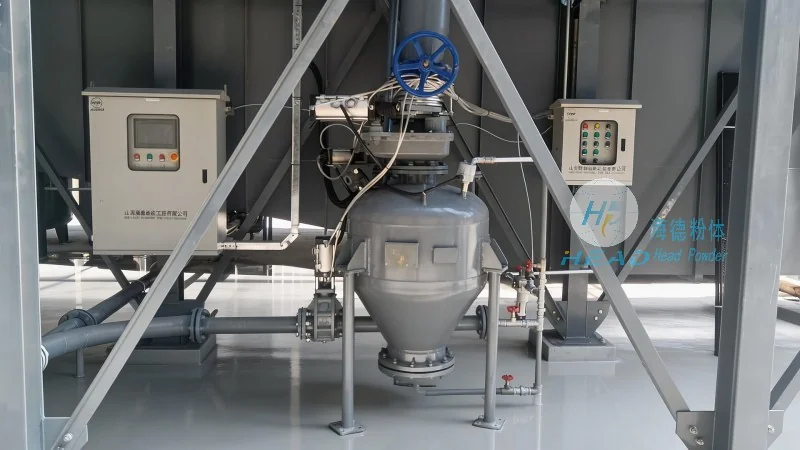
Introduction to Negative Pressure Powder Handling Systems
A negative pressure powder handling system is a closed-loop mechanism that uses a vacuum or reduced pressure to draw bulk powders from a source into a collection or processing unit. Unlike positive pressure systems that force air and particles through a system, negative pressure systems create a pressure differential that pulls materials in, minimizing dust emissions and ensuring a cleaner working environment. This approach is particularly beneficial in industries like pharmaceuticals, food processing, and chemical manufacturing, where product purity and environmental compliance are paramount.
Key Design Principles of the System
The design of a negative pressure powder handling system involves several critical principles to ensure efficiency, safety, and durability. First, the system must maintain a consistent negative pressure throughout the entire pipeline to prevent dust leakage and cross-contamination. This is achieved through high-quality sealing components, such as rotary valves and airlocks, which are engineered to handle abrasive and fine powders without compromising the pressure differential. Second, the material selection for all components, including hoppers, pipes, and valves, is crucial. Materials like stainless steel, PTFE, or specialized alloys are used to resist corrosion and wear from the powders being transported. Third, the system incorporates advanced control mechanisms that monitor pressure levels, flow rates, and potential blockages in real-time. These controls help prevent system failures and ensure smooth operation, even with varying powder characteristics.
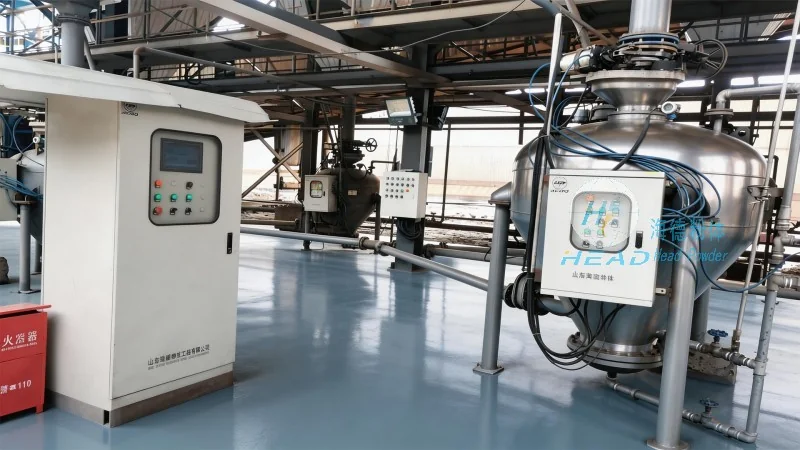
Components and Their Functions
At the heart of a negative pressure powder handling system are several key components, each playing a vital role in the overall operation. The hopper or feeder is the initial point where powders are loaded, often equipped with a lid to maintain the negative pressure. The rotary valve or airlock serves as a seal between the hopper and the transport line, allowing powders to pass while preventing air from escaping. The pipeline system, typically made of flexible or rigid tubing, transports the powders from the source to the destination. The collection or processing unit, such as a silo or mixer, receives the powders under controlled conditions. Additionally, the vacuum pump or fan generates the negative pressure, ensuring the system operates effectively. Each component is designed to work in harmony, contributing to the system's overall performance and reliability.
Advantages of Using a Negative Pressure System
Implementing a negative pressure powder handling system offers numerous advantages over traditional methods. One of the most significant benefits is the reduction of dust emissions, which improves workplace safety and environmental compliance. By containing powders within a sealed system, the risk of inhalation or environmental contamination is minimized. Another advantage is the improved product quality, as the system prevents cross-contamination between different batches of powders. This is especially important in industries like pharmaceuticals, where product purity is critical. Furthermore, the system enhances operational efficiency by reducing downtime caused by dust buildup or material blockages. The consistent negative pressure ensures smooth material flow, even with varying powder densities and flow characteristics. Finally, the system is cost-effective in the long run, as it reduces maintenance costs associated with cleaning and repairing equipment damaged by dust exposure.
Applications in Different Industries
The versatility of negative pressure powder handling systems makes them suitable for a wide range of industrial applications. In the pharmaceutical industry, these systems are used to transport active pharmaceutical ingredients (APIs) and excipients, ensuring that the powders remain sterile and free from contamination. In food processing, they handle ingredients like flour, sugar, and spices, maintaining product quality and safety standards. The chemical industry utilizes these systems for transporting powders such as catalysts, pigments, and reagents, where precise control over material flow is essential. Additionally, in the agricultural sector, negative pressure systems are used for handling fertilizers and pesticides, reducing dust exposure for workers and improving storage efficiency. The adaptability of the system allows it to be customized for specific industry needs, making it a valuable asset in various production processes.
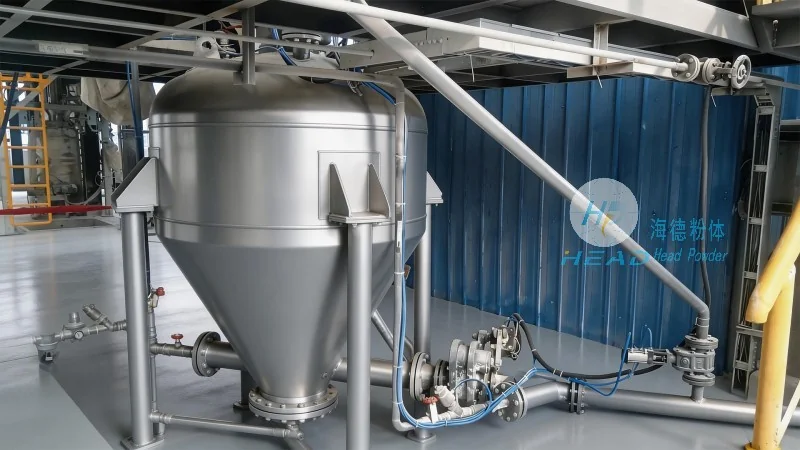
Maintenance and Operational Considerations
To ensure the longevity and optimal performance of a negative pressure powder handling system, regular maintenance is essential. This includes inspecting seals and components for wear and tear, cleaning the system to remove accumulated powders, and checking the vacuum pump for efficiency. Proper maintenance helps prevent system failures and extends the lifespan of the equipment. Operational considerations also include monitoring pressure levels and flow rates to detect any anomalies that could indicate blockages or leaks. Training operators on the proper use and maintenance of the system is crucial to avoid accidents and ensure smooth operation. By adhering to these guidelines, industries can maximize the benefits of negative pressure powder handling systems while minimizing downtime and maintenance costs.
Conclusion
In conclusion, the negative pressure powder handling system, developed by Shandong HeadPowder Engineering Co., Ltd., represents a sophisticated solution for efficient and safe powder transport. Its design principles, which prioritize sealed operation, material compatibility, and advanced controls, make it an ideal choice for industries requiring high standards of product purity and environmental safety. By understanding the components and operational aspects of such a system, businesses can enhance their material handling processes, improve productivity, and ensure compliance with industry regulations. As a leading manufacturer based in Shandong, China, HeadPowder continues to innovate in powder handling technology, providing tailored solutions that meet the diverse needs of global industries.