

Oxide Copper Powder Conveying System Equipment: What It Is and Its Design Principles
For industrial applications involving oxide copper powder, efficient and reliable material handling is crucial. The oxide copper powder conveying system equipment, developed by Shandong HeadPowder Engineering Co., Ltd., addresses these needs with specialized engineering solutions. This article explores the nature of such systems and the underlying design principles that ensure optimal performance.
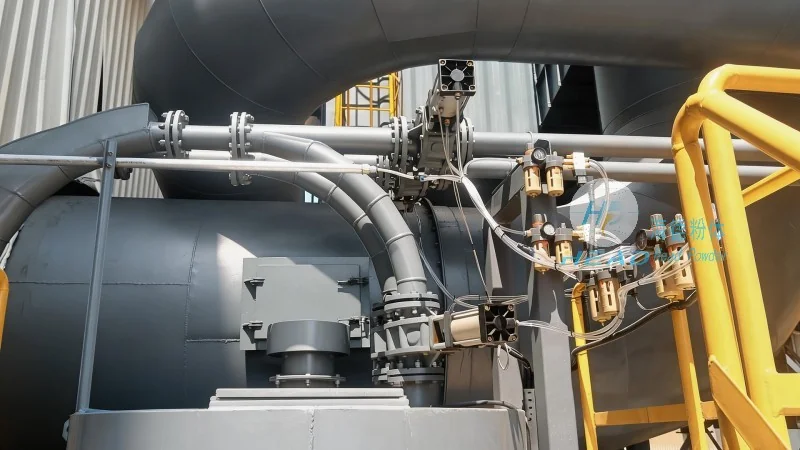
Introduction to Oxide Copper Powder Conveying Systems
Oxide copper powder, a key material in various industrial processes, requires precise handling from production to application. The conveying system equipment designed by HeadPowder is engineered to manage the unique properties of oxide copper powder, including its fine particle size, potential static charge, and flow characteristics. These systems are integral to maintaining product quality and operational efficiency in manufacturing environments.
Key Components of the Oxide Copper Powder Conveying System
The conveying system typically comprises several critical components that work in tandem to transport oxide copper powder safely and effectively. These include feeding mechanisms, conveying devices (such as screw conveyors or pneumatic systems), control systems, and material handling accessories. Each component is selected based on the specific characteristics of oxide copper powder and the operational requirements of the application.
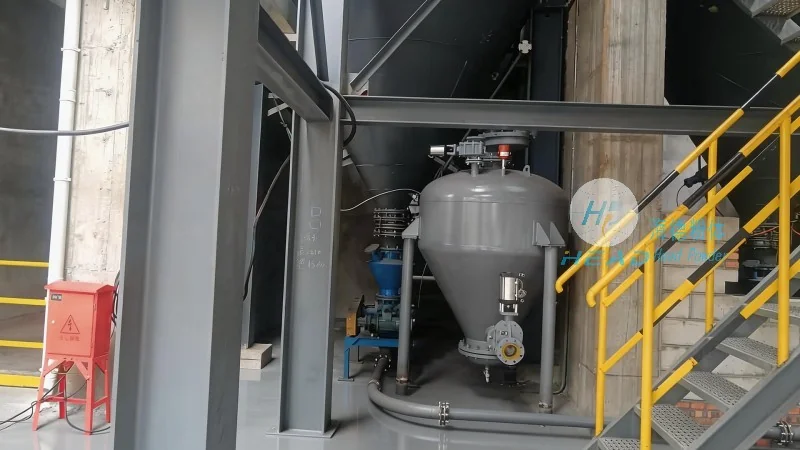
Design Principles for Efficient Conveying
The design of oxide copper powder conveying systems follows several fundamental principles aimed at minimizing material degradation, ensuring consistent flow, and maximizing system reliability. One key principle is the prevention of material segregation and agglomeration, which can occur due to the fine particle size and cohesive nature of oxide copper powder. This is achieved through specialized feeding and conveying technologies that maintain uniform particle distribution. Another critical principle is the management of static electricity, as oxide copper powder can generate static charges during handling. Anti-static measures, such as grounding and conductive materials, are integrated into the system design to prevent dust accumulation and ensure safe operation.
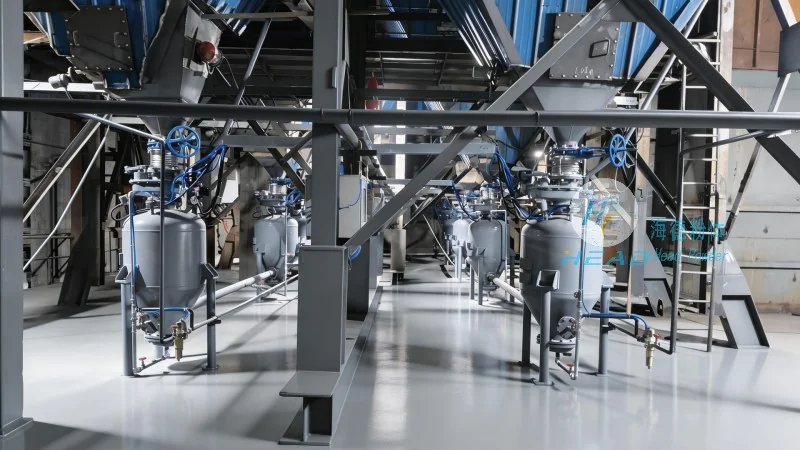
Material Handling Considerations
Handling oxide copper powder demands attention to factors that affect both the material and the equipment. The system design considers the powder's moisture content, density, and flowability to optimize conveying efficiency. Additionally, the equipment is constructed from materials resistant to corrosion and wear, ensuring long-term durability in industrial settings. The conveying system also incorporates features to minimize product contamination, such as sealed components and cleanable surfaces, which are essential for maintaining the purity of oxide copper powder used in sensitive applications.
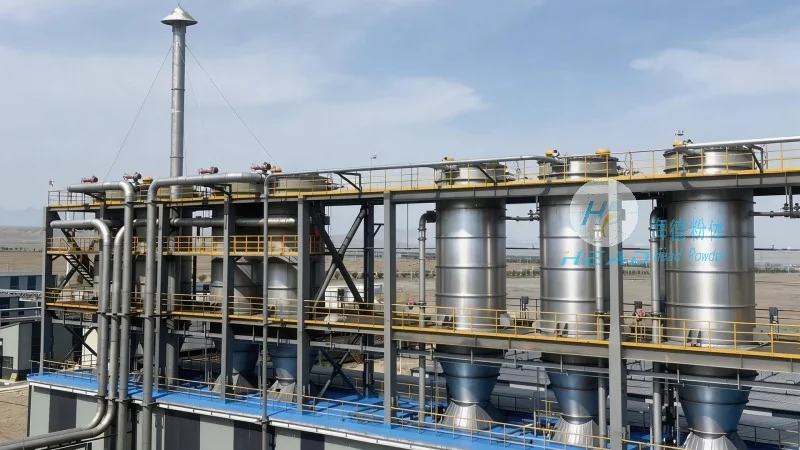
Operational Advantages of the Conveying System
The oxide copper powder conveying system equipment from Shandong HeadPowder Engineering Co., Ltd. offers several operational advantages that enhance productivity and reduce maintenance costs. The system's modular design allows for easy integration into existing production lines, while its adjustable parameters enable adaptation to varying powder characteristics. Furthermore, the use of advanced control technologies ensures precise material flow rates, reducing waste and improving process consistency. The system's reliability is enhanced by robust construction and regular maintenance protocols, minimizing downtime and maximizing uptime in industrial operations.
Conclusion
In summary, the oxide copper powder conveying system equipment developed by Shandong HeadPowder Engineering Co., Ltd. is a specialized solution designed to address the unique challenges of handling oxide copper powder. By adhering to fundamental design principles and incorporating advanced engineering features, the system ensures efficient, safe, and reliable material transport. As a key component in oxide copper powder processing, this equipment supports the overall performance and quality of industrial applications, making it an essential asset for manufacturers in the industry.