

What is the Straw Ash Powder Conveying System Equipment? What is its Design Principle?
The Straw Ash Powder Conveying System Equipment, developed by Shandong HeadPowder Engineering Co., Ltd., is a specialized industrial device designed to handle and transport fine powders derived from straw ash. This equipment plays a crucial role in various industrial applications, particularly in the processing of agricultural waste and the production of value-added materials from biomass. Understanding the equipment's functionality and its underlying design principles is essential for optimizing operational efficiency and ensuring safe, reliable material handling.
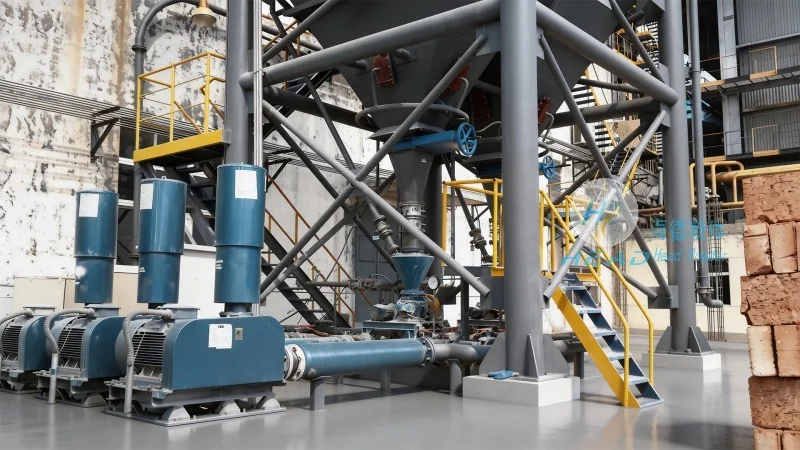
Key Components and Structure of the Conveying System
The system comprises several core components that work in tandem to achieve efficient powder transport. The primary elements include a hopper for material storage, a conveyor mechanism (such as a screw conveyor or pneumatic pipeline), and a control system for regulating flow and pressure. The hopper is typically designed with a large capacity to accommodate bulk straw ash, while the conveyor system is engineered to handle fine, dry powders with minimal particle degradation. The control unit integrates sensors and automation features to monitor parameters like pressure, flow rate, and temperature, ensuring consistent performance and preventing system failures.
Design Principles Underlying the Equipment
The design of the Straw Ash Powder Conveying System Equipment is guided by several fundamental principles aimed at maximizing efficiency, safety, and durability. One key principle is the minimization of particle attrition during transport. This is achieved through the use of smooth, low-friction surfaces and gentle conveyor angles, which reduce the risk of powder agglomeration or damage. Another critical principle is the prevention of dust emissions and environmental contamination. The system incorporates sealed housing and filtration systems to capture and contain fine particles, adhering to environmental regulations and ensuring workplace safety. Additionally, the design emphasizes energy efficiency by optimizing motor power and reducing unnecessary energy consumption, which contributes to lower operational costs and a smaller carbon footprint.
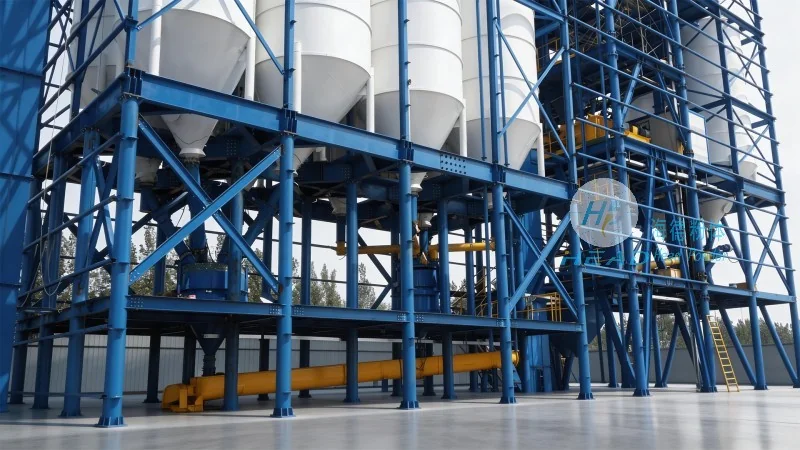
Operational Mechanism and Process Flow
The operational process of the Straw Ash Powder Conveying System begins with the loading of straw ash into the hopper. From there, the material is fed into the conveyor mechanism, which transports it through the system to the desired destination, such as a storage silo or processing unit. The control system continuously monitors the flow rate and pressure, adjusting the conveyor speed as needed to maintain a stable and consistent output. In pneumatic systems, compressed air is used to move the powder through a pipeline, while mechanical systems rely on rotating screws or belts to propel the material. The system is designed to handle varying particle sizes and moisture content, making it versatile for different applications in the agricultural and industrial sectors.
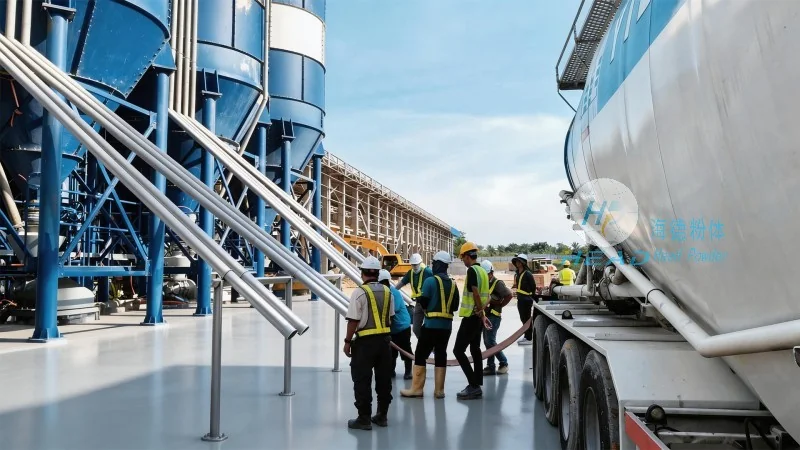
Advantages and Applications of the System
The Straw Ash Powder Conveying System Equipment offers several advantages that make it a preferred choice for industries dealing with fine powders. Its ability to handle abrasive materials without significant wear and tear extends the equipment's lifespan and reduces maintenance costs. The sealed design minimizes dust exposure, creating a safer working environment and complying with occupational health standards. Additionally, the system's adaptability allows it to be integrated into existing production lines, facilitating seamless material transfer and enhancing overall operational efficiency. Applications of this equipment include the processing of straw ash for use in construction materials, fertilizers, and energy production, as well as the handling of other fine agricultural byproducts.
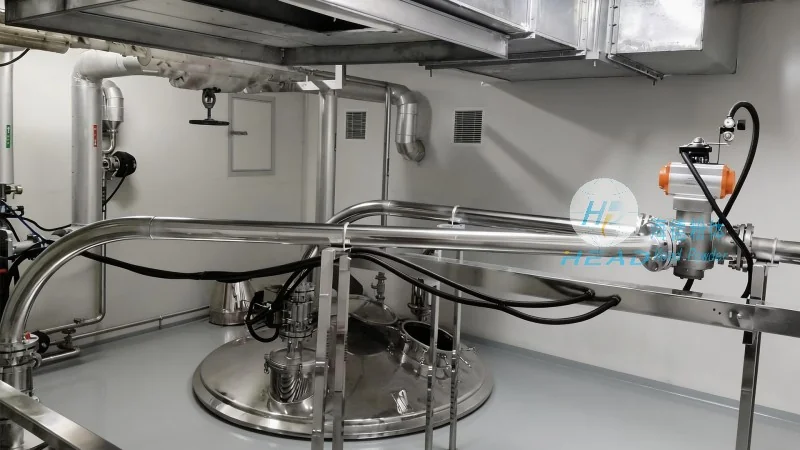
Maintenance and Safety Considerations
Proper maintenance is essential to ensure the long-term performance and reliability of the Straw Ash Powder Conveying System Equipment. Regular inspections of components such as the hopper, conveyor, and control system are recommended to identify and address potential issues before they escalate. Cleaning the system after each use helps prevent material buildup and reduces the risk of clogging. The control system should be checked for proper calibration and functionality to ensure accurate monitoring of operational parameters. Safety considerations are paramount when operating this equipment. Workers should be trained on proper handling procedures, including the use of personal protective equipment (PPE) and emergency shutdown protocols. The sealed design of the system minimizes the risk of dust explosions, but regular checks of the filtration and ventilation systems are still necessary to maintain a safe environment.
Conclusion
The Straw Ash Powder Conveying System Equipment by Shandong HeadPowder Engineering Co., Ltd. represents a sophisticated solution for the efficient and safe transport of fine powders derived from agricultural waste. By adhering to principles of durability, energy efficiency, and environmental safety, this system meets the demands of modern industrial applications while contributing to sustainable resource management. With its robust design and comprehensive control features, the equipment is well-suited for various industries, offering a reliable and cost-effective method for handling straw ash and other fine materials.