

Oat Flour Conveying System Introduction: Advantages and Features of Oat Flour Pneumatic Conveying
For those in the food processing industry, particularly those handling oat flour, selecting an efficient and reliable conveying system is crucial for maintaining product quality and operational efficiency. The oat flour conveying system, especially when utilizing pneumatic conveying technology, offers significant benefits that can transform how businesses manage their material handling processes. This article provides an overview of the oat flour conveying system, highlighting the key advantages and features of pneumatic conveying for oat flour applications.
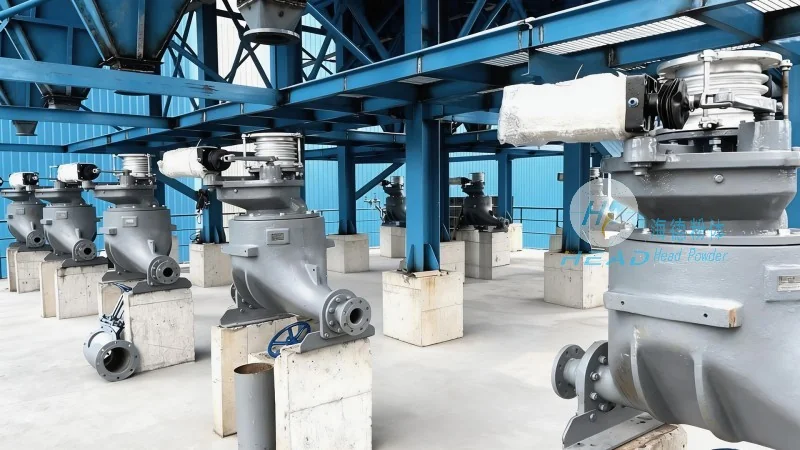
Understanding the Oat Flour Conveying System
The oat flour conveying system is designed to transport oat flour from one location to another within a processing facility. This system typically involves components such as hoppers, feeders, and conveying lines, all working in tandem to ensure smooth and consistent material movement. The system's design is tailored to handle the unique properties of oat flour, which can vary in moisture content, particle size, and flow characteristics. By understanding the fundamental components and operational principles of this system, businesses can make informed decisions about the most suitable conveying solution for their specific needs.
Pneumatic Conveying: A Superior Method for Oat Flour Transport
Pneumatic conveying, also known as air conveying, is a widely adopted method for transporting dry powders like oat flour. This technology uses compressed air to move the material through a pipeline system, eliminating the need for mechanical components such as belts or screws. The advantages of pneumatic conveying for oat flour are numerous and impactful. For instance, it provides a hygienic and enclosed environment, which is essential for maintaining the quality and safety of food products. Unlike mechanical systems, pneumatic conveying minimizes product contamination and exposure to external elements, ensuring that the oat flour remains in optimal condition throughout the transport process.
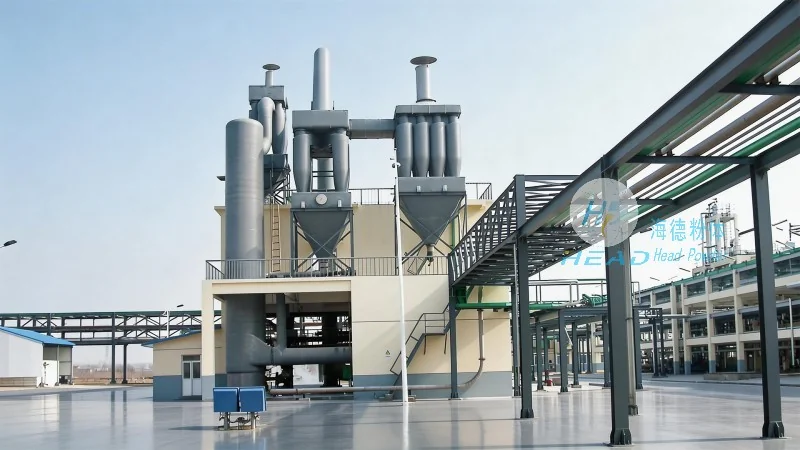
Key Advantages of Oat Flour Pneumatic Conveying
One of the primary benefits of pneumatic conveying for oat flour is its ability to handle fine powders without the risk of clogging or blockages. Oat flour particles are often small and can easily adhere to surfaces, making traditional mechanical conveyors less effective. Pneumatic systems, however, use air pressure to keep the material in suspension, preventing agglomeration and ensuring consistent flow. This feature is particularly valuable in high-volume processing environments where continuous and reliable material transport is critical.
Another significant advantage is the energy efficiency of pneumatic conveying systems. Compared to mechanical systems that rely on moving parts, pneumatic systems use compressed air, which can be more energy-efficient, especially when operating at lower pressures. This not only reduces operational costs but also contributes to a more sustainable and environmentally friendly processing operation. The reduced maintenance requirements of pneumatic systems further enhance their cost-effectiveness, as there are fewer moving parts that can wear out or require frequent replacement.
Features That Enhance Performance and Safety
In addition to the core advantages, the oat flour pneumatic conveying system incorporates several features that enhance performance and safety. For example, the system often includes dust collection and filtration components to ensure that the air used for conveying is clean and free from particulate matter. This not only protects the environment but also maintains the quality of the oat flour by preventing contamination from airborne particles. The enclosed design of the conveying lines also helps to contain dust and prevent it from spreading throughout the facility, creating a safer working environment for employees.
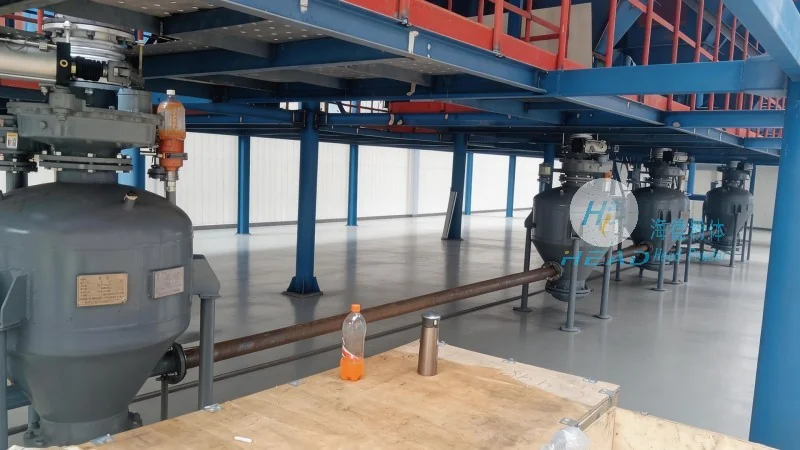
Furthermore, modern pneumatic conveying systems for oat flour may include advanced control systems that allow for precise regulation of material flow and pressure. These controls enable operators to adjust the conveying rate in real-time, ensuring that the system operates optimally under varying production conditions. The ability to monitor and adjust parameters such as air pressure and flow rate provides greater flexibility and adaptability, making the system suitable for diverse processing applications.
Conclusion: Choosing the Right Conveying Solution for Oat Flour
When evaluating conveying systems for oat flour, it is essential to consider the specific requirements of the processing operation. The oat flour pneumatic conveying system, with its hygienic design, efficient material handling capabilities, and reduced maintenance needs, stands out as a superior choice for many food processing businesses. By leveraging the advantages of pneumatic conveying, companies can improve operational efficiency, maintain product quality, and ensure compliance with industry standards. As a leading provider in this field, Shandong HeadPowder Engineering Co., Ltd. specializes in designing and manufacturing customized oat flour conveying systems that meet the unique needs of each client. With a focus on quality, reliability, and innovation, HeadPowder offers solutions that enhance the overall performance of oat flour processing operations.