

Analysis of Clay Sand Pneumatic Conveying Systems
Clay sand pneumatic conveying systems represent a sophisticated approach to material handling, particularly in industrial settings where efficient and reliable transport of bulk materials is critical. This technology has evolved significantly over the years, offering solutions that address the unique challenges associated with handling clay sand and similar fine-grained materials. The systems are designed to ensure minimal material degradation, low maintenance requirements, and high operational efficiency, making them a preferred choice for various applications across different industries.
Understanding the Core Components of Clay Sand Pneumatic Conveying Systems
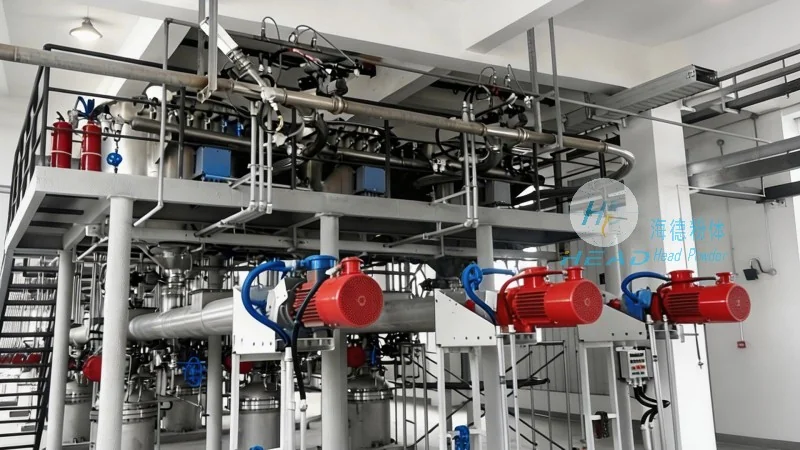
The effectiveness of a clay sand pneumatic conveying system largely depends on its integrated components, each playing a crucial role in the overall operation. Key elements include the hopper or feed hopper, which serves as the storage and feeding mechanism for the clay sand. This component is engineered to maintain consistent material flow and prevent clogging, a common issue with fine materials like clay sand. The hopper is typically equipped with a feeder, such as a rotary valve or a screw feeder, which regulates the material discharge rate into the conveying line.
Next, the conveying line itself is a critical component. It can be either a positive pressure or negative pressure system, depending on the specific application and material characteristics. Positive pressure systems use a blower or compressor to force air and material through the pipeline, while negative pressure systems create a vacuum to draw material from the source. The choice between these systems influences factors like system pressure, energy consumption, and the ability to handle long distances or multiple branches. For clay sand, positive pressure systems are often preferred due to their ability to handle abrasive materials and maintain consistent flow rates.
The pipeline network is another essential part of the system. It must be constructed from materials that can withstand the abrasive nature of clay sand, such as stainless steel or high-grade plastic. Proper pipeline design, including appropriate bends and elbows, is crucial to minimize pressure drop and prevent material buildup. The system also includes a filter or separator at the discharge end, which separates the material from the air, allowing the air to be recycled or vented safely. This component is vital for maintaining system efficiency and preventing material loss.
Advantages of Using Clay Sand Pneumatic Conveying Systems
Implementing a clay sand pneumatic conveying system offers several advantages that make it an attractive option for industrial operations. One of the primary benefits is the ability to handle fine and abrasive materials without significant degradation. Unlike traditional mechanical conveying methods, which can cause material breakage or segregation, pneumatic systems maintain the integrity of the clay sand, ensuring consistent quality in the final product. This is particularly important in applications where the material's properties, such as particle size and moisture content, directly impact performance.
Another key advantage is the reduced risk of contamination and cross-contamination. Pneumatic systems are enclosed, preventing dust and other particles from entering the environment or contaminating other materials. This is especially beneficial in industries like pharmaceuticals, food processing, or where material purity is paramount. The enclosed design also enhances safety by minimizing exposure to airborne particles, reducing the risk of respiratory issues for workers.
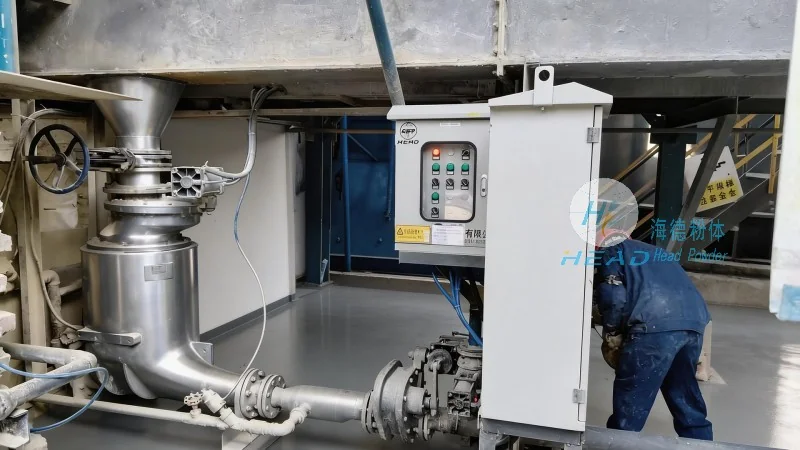
Operational efficiency is another significant benefit. Pneumatic conveying systems can handle high volumes of material over long distances with minimal downtime. The automated feeding and control mechanisms allow for precise regulation of material flow, ensuring that the system operates at optimal efficiency. This leads to lower energy consumption and reduced maintenance costs compared to traditional methods. Additionally, the system's flexibility allows for easy integration with existing production lines, enabling seamless material transfer without major disruptions.
Applications and Industries Benefiting from Clay Sand Pneumatic Conveying Systems
Clay sand pneumatic conveying systems are widely used across various industries due to their versatility and effectiveness. In the construction industry, these systems are commonly employed for transporting sand, cement, and other aggregates to construction sites. The ability to handle large volumes of material efficiently supports the demands of modern construction projects, which often require rapid and reliable material delivery. The systems are also used in the manufacturing of ceramics and refractory materials, where clay sand is a key raw material. The consistent quality of the material delivered by the system ensures uniform product characteristics, improving the overall quality of the final products.
In the chemical and pharmaceutical industries, pneumatic conveying systems are used to transport fine powders and granules, including clay-based materials used in drug formulations or as excipients. The enclosed and controlled environment of the system helps maintain the purity and integrity of these materials, which is critical for compliance with regulatory standards. The systems are also utilized in the mining and mineral processing sectors, where clay sand is often a byproduct or a raw material. Efficient transport of these materials enhances the overall productivity of mining operations and reduces handling costs.
Other industries that benefit from clay sand pneumatic conveying systems include the glass manufacturing industry, where sand is a primary ingredient, and the agricultural sector, where sand is used for soil conditioning or as a component in fertilizers. The systems' ability to handle abrasive and fine materials makes them suitable for a wide range of applications, supporting the operational needs of these industries.
Installation and Maintenance Considerations for Clay Sand Pneumatic Conveying Systems
Proper installation and regular maintenance are essential to ensure the long-term performance and reliability of clay sand pneumatic conveying systems. During installation, it is crucial to consider factors such as the layout of the pipeline, the location of the hopper and discharge points, and the power requirements of the system. The pipeline should be designed to minimize pressure drops and avoid sharp bends or narrow sections that could cause material buildup or blockages. Proper sealing of all connections is also vital to prevent air leaks, which can reduce system efficiency and increase energy consumption.
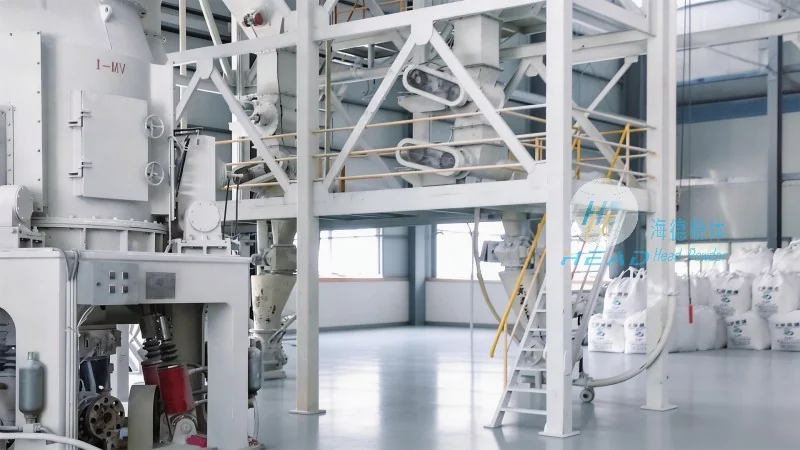
Maintenance of the system involves regular inspection and cleaning of components, particularly the hopper, feeder, and filter. The hopper and feeder should be checked for wear and tear, and any damaged parts should be replaced promptly to prevent material leakage or system failure. The filter or separator should be cleaned or replaced regularly to maintain air quality and system performance. Additionally, the blower or compressor should be inspected for proper operation, as it is a critical component that affects the entire system's performance.
Regular maintenance also includes checking for air leaks in the pipeline and ensuring that the system is operating at the correct pressure. Any deviations from the normal operating parameters should be addressed immediately to prevent damage to components or system failure. The use of high-quality materials for the pipeline and components is also important to ensure durability and longevity of the system. Proper training of personnel on the operation and maintenance of the system is essential to maximize its lifespan and performance.
Conclusion: The Role of Shandong HeadPowder Engineering Co., Ltd. in Pneumatic Conveying Solutions
Clay sand pneumatic conveying systems are a vital technology in modern industrial operations, offering efficient, reliable, and safe material handling solutions. The integration of advanced components and design principles has made these systems more effective than ever before. For industries dealing with clay sand and similar materials, investing in a well-designed pneumatic conveying system can lead to significant improvements in productivity, quality, and operational costs.
Shandong HeadPowder Engineering Co., Ltd., a leading provider of engineering solutions, specializes in the design, manufacturing, and installation of clay sand pneumatic conveying systems. With years of experience and a commitment to quality, the company offers tailored solutions that meet the specific needs of its clients. Based in Shandong, China, HeadPowder leverages its expertise to deliver systems that are efficient, durable, and cost-effective. The company's focus on customer satisfaction and technical excellence has made it a trusted partner for industries seeking reliable material handling solutions.
By combining advanced engineering with practical application, Shandong HeadPowder Engineering Co., Ltd. continues to play a significant role in advancing the use of pneumatic conveying systems across various industries. The company's dedication to innovation and customer service ensures that clients receive not only high-quality equipment but also comprehensive support throughout the system's lifecycle. As industries evolve and demand more efficient material handling solutions, the role of companies like HeadPowder becomes increasingly important in meeting these challenges.