

Film-Coated Sand Pneumatic Conveying System Analysis
HeadPowder, a leading enterprise in the field of industrial material handling, specializes in the design, manufacturing, and installation of advanced pneumatic conveying systems tailored for film-coated sand applications. With a strong presence in Shandong, China, the company has established itself as a trusted provider of efficient and reliable solutions for sand processing industries. This article provides a comprehensive analysis of film-coated sand pneumatic conveying systems, highlighting their operational principles, key components, and the technical advantages offered by such systems.
Understanding Film-Coated Sand and Its Handling Requirements
Film-coated sand, also known as coated sand or shell sand, is a critical material in foundry production, used primarily for creating molds and cores. The coating on the sand particles enhances its strength, reduces dust generation, and improves surface finish in casting processes. Handling this material efficiently requires specialized equipment that can maintain particle integrity, minimize degradation, and ensure consistent flow characteristics. Pneumatic conveying systems are particularly well-suited for these needs due to their ability to transport dry powders and granular materials in a controlled manner.
The Core Components of a Film-Coated Sand Pneumatic Conveying System
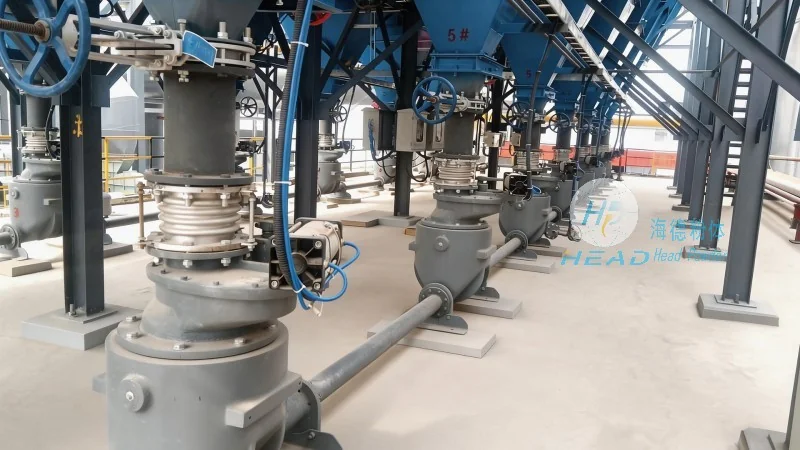
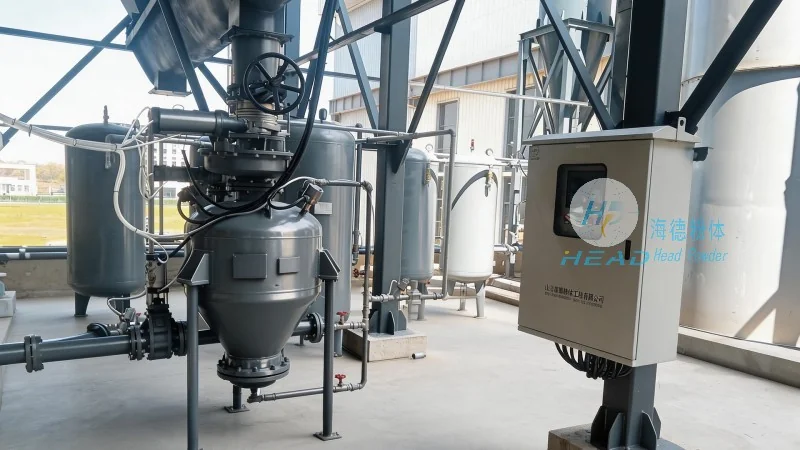
A typical film-coated sand pneumatic conveying system consists of several key components that work in tandem to achieve effective material transport. The primary elements include a hopper or feeder for material storage and controlled discharge, a conveying line (often equipped with flexible hoses or rigid pipes), a blower or air compressor to generate the necessary airflow, and a receiver or discharge hopper for material collection. Additional components may include filters to remove dust from the air stream, pressure relief valves, and control valves to regulate airflow and pressure. Each component plays a crucial role in maintaining the system's efficiency and ensuring the quality of the conveyed material.
Operational Principles and Working Mechanism
The pneumatic conveying process for film-coated sand operates on the principle of using compressed air to move material particles through a pipeline. When the material is introduced into the conveying line, it is entrained by the airflow, which carries the particles along the pipe. The system can be categorized into two main types: dilute-phase and dense-phase conveying. Dilute-phase systems use higher air velocities to transport material in a relatively low concentration, suitable for long-distance or high-velocity applications. Dense-phase systems, on the other hand, use lower air velocities and higher material concentrations, which helps in reducing particle degradation and minimizing pressure drops in the system. The choice between these two types depends on factors such as the distance to be covered, the material's characteristics, and the required flow rate.
Advantages of Film-Coated Sand Pneumatic Conveying Systems
Implementing a pneumatic conveying system for film-coated sand offers numerous benefits that enhance operational efficiency and product quality. One of the most significant advantages is the ability to maintain the integrity of the coated sand particles. Unlike mechanical conveying methods, which can cause abrasion and break down the coating, pneumatic systems use air to transport material, minimizing physical stress on the particles. This results in higher product quality and reduced waste. Additionally, pneumatic conveying systems are highly flexible and can be easily integrated into existing production lines, allowing for seamless material transfer between processes. They also offer better dust control compared to other methods, as the air stream is filtered and the material is contained within the system, reducing environmental impact and improving workplace safety. Furthermore, these systems can handle varying material flow rates and can be automated to operate continuously, improving overall productivity and reducing labor costs.
HeadPowder's Expertise in Designing and Implementing Such Systems
Shandong HeadPowder Engineering Co., Ltd., operating under the brand name HeadPowder, brings extensive expertise and experience to the design and implementation of film-coated sand pneumatic conveying systems. The company's team of engineers and technicians has a deep understanding of the unique challenges associated with handling coated sand, including the need to preserve particle coating and maintain consistent flow characteristics. By leveraging advanced engineering principles and state-of-the-art technology, HeadPowder develops customized solutions that meet the specific requirements of each client. The company's approach involves thorough site assessments, material testing, and system simulations to ensure that the final design is optimized for performance, reliability, and cost-effectiveness. HeadPowder also provides comprehensive after-sales support, including maintenance services, spare parts supply, and technical training, to ensure that clients can maximize the lifespan and efficiency of their conveying systems.
Key Considerations for Selecting and Operating a Pneumatic Conveying System
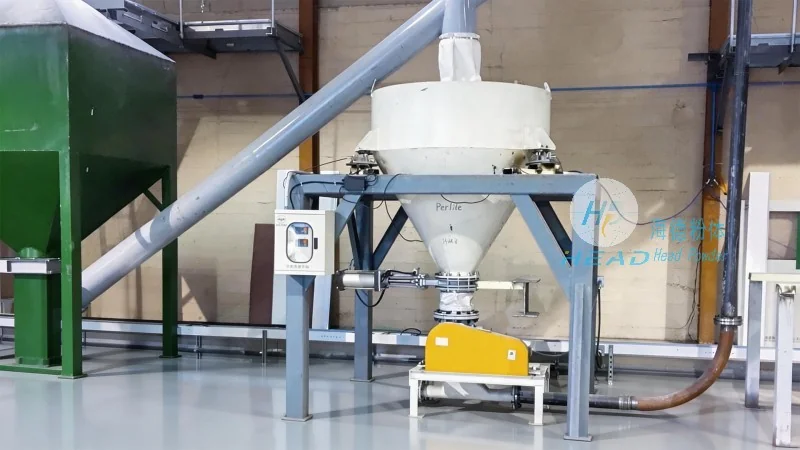
When selecting a film-coated sand pneumatic conveying system, several factors must be considered to ensure optimal performance and long-term reliability. The first consideration is the material's properties, such as particle size, density, and moisture content, as these characteristics influence the system's design and operating parameters. The distance and layout of the conveying route are also critical, as they determine the type of conveying system (dilute or dense phase) and the required air pressure and flow rate. Additionally, the system's capacity and flow rate must match the production requirements to avoid bottlenecks or underutilization. Proper maintenance is another key factor, as regular cleaning of filters, checking for air leaks, and inspecting components can prevent system failures and extend the equipment's lifespan. By addressing these considerations, users can select a system that meets their specific needs and operates efficiently for years to come.
Conclusion: The Role of Advanced Pneumatic Conveying in Modern Sand Processing
Film-coated sand pneumatic conveying systems represent a sophisticated solution for the efficient and reliable handling of coated sand in foundry and related industries. By leveraging the principles of pneumatic transport, these systems offer significant advantages over traditional conveying methods, including improved product quality, enhanced operational flexibility, and better environmental control. As a leading provider in the industry, HeadPowder continues to innovate and develop advanced solutions that meet the evolving needs of sand processing facilities. With its commitment to quality, expertise, and customer satisfaction, HeadPowder is positioned to play a vital role in the future of industrial material handling, ensuring that clients can achieve optimal performance and productivity in their operations.