

Graphite Lump Pneumatic Conveying System Analysis
Graphite lump pneumatic conveying systems represent a critical technology in the material handling industry, particularly for the efficient transport of graphite particles. These systems are designed to handle the unique properties of graphite, such as its fine particle size and abrasive nature, ensuring reliable and low-maintenance operation. The system's design incorporates advanced pneumatic conveying principles, enabling the safe and effective movement of graphite lumps from storage to processing or packaging areas.
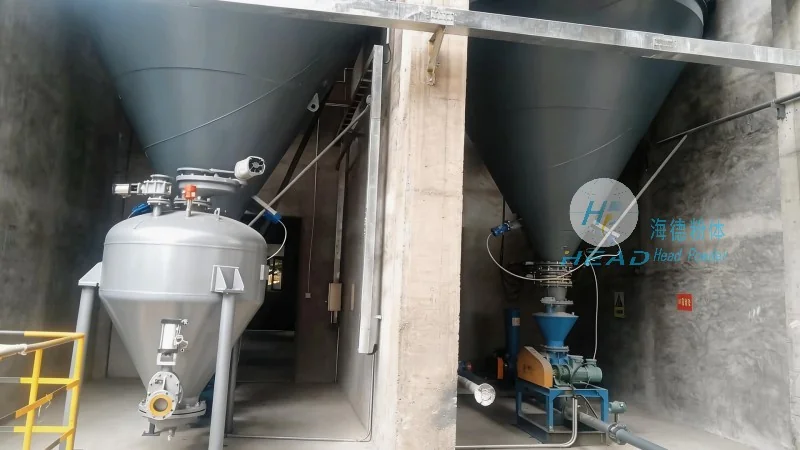
Key Components and Operational Principles
The core components of a graphite lump pneumatic conveying system typically include a hopper for material storage, a feeder to control the flow rate, a conveying pipeline, and a receiver for the discharged material. The system operates by creating a pressure differential within the pipeline, either through suction (negative pressure) or pressure (positive pressure) methods. For graphite lumps, positive pressure systems are often preferred due to their ability to handle abrasive materials and prevent dust accumulation. The system's design ensures that the conveying air velocity is sufficient to maintain the material in suspension, typically ranging from 20 to 30 meters per second, depending on the particle size and density. This velocity is critical to prevent particle settling and blockages, ensuring consistent flow rates and system efficiency.
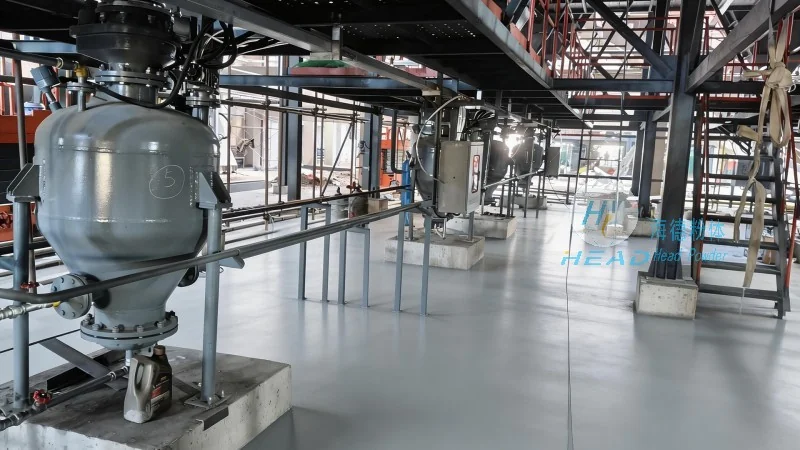
Advantages of Pneumatic Conveying for Graphite Lumps
Compared to traditional mechanical conveying methods, such as belt conveyors or screw conveyors, pneumatic systems offer several advantages for graphite lump transport. These include reduced equipment wear and tear, as the material is conveyed without direct contact with conveying components. Mechanical conveyors often experience significant wear from abrasive graphite particles, leading to frequent maintenance and replacement of parts. Pneumatic systems, on the other hand, minimize this wear, resulting in lower long-term operational costs. Additionally, pneumatic systems provide better containment of dust, which is crucial for maintaining a clean and safe working environment, especially in facilities handling fine graphite powders. The system's enclosed pipeline design prevents dust from escaping into the workplace, reducing health risks and compliance issues for manufacturers. The flexibility of pneumatic systems also allows for easy integration with existing production lines, minimizing downtime during installation and operation. This adaptability is particularly valuable for manufacturers looking to upgrade or expand their material handling capabilities without major infrastructure changes.
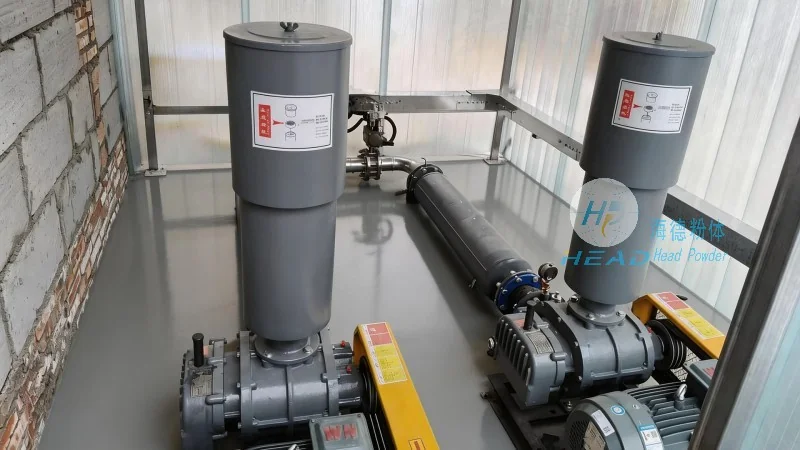
Application Scenarios and Industry Impact
Graphite lump pneumatic conveying systems are widely used in various industries, including battery manufacturing, refractory production, and chemical processing. In battery manufacturing, these systems are essential for transporting graphite lumps to the mixing and compaction stages, where consistent material flow is critical for product quality. For example, in lithium-ion battery production, graphite is a key anode material, and the uniformity of its distribution in the electrode mixture directly impacts battery performance and lifespan. Pneumatic conveying systems ensure that graphite lumps are delivered to the mixing equipment at a controlled rate, maintaining the desired particle size distribution and preventing agglomeration. In refractory production, the system ensures that graphite lumps are delivered to the mixing and molding processes without degradation, maintaining the material's properties for high-temperature applications. Refractory materials often require precise control over particle size and moisture content, and pneumatic systems provide the necessary accuracy to meet these requirements. The efficiency of these systems contributes to improved production throughput and reduced operational costs for manufacturers, making them a preferred choice for large-scale graphite handling operations. For instance, a typical battery manufacturer may process thousands of tons of graphite annually, and a well-designed pneumatic conveying system can significantly reduce the time and labor required for material transport, leading to increased overall productivity.
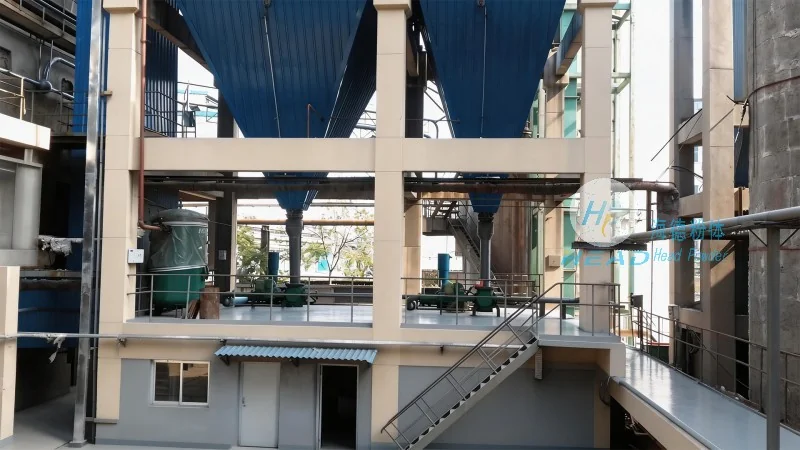
Customization and Integration with HeadPowder Engineering
Shandong HeadPowder Engineering Co., Ltd., a leading provider of material handling solutions, specializes in designing and manufacturing customized graphite lump pneumatic conveying systems tailored to specific customer needs. With headquarters in Shandong, China, the company leverages decades of experience in the industry to develop systems that meet the unique requirements of each application. HeadPowder's engineers work closely with clients to assess material characteristics, production volumes, and operational constraints, ensuring that the final system is optimized for performance and reliability. The company's commitment to quality and innovation is reflected in the robust design and durable components used in their systems, which are built to withstand the harsh conditions associated with graphite handling. For example, the company uses high-quality stainless steel or corrosion-resistant materials for components that come into direct contact with graphite, ensuring long service life and minimal maintenance. HeadPowder also provides comprehensive after-sales support, including system maintenance, spare parts supply, and technical assistance, to ensure that clients can operate their systems efficiently and reliably. The company's focus on customer satisfaction and technical excellence has made it a trusted partner for many manufacturers in the graphite and related industries.