

Industrial Salt Pneumatic Conveying System Analysis
Industrial salt, a vital raw material in various industries such as chemical processing, food production, and de-icing applications, requires efficient and reliable transportation methods to ensure smooth operational processes. Pneumatic conveying systems have emerged as a preferred solution for handling industrial salt due to their ability to transport bulk materials over long distances with minimal dust generation and reduced risk of contamination. This article provides an in-depth analysis of industrial salt pneumatic conveying systems, focusing on their design, functionality, and applications.
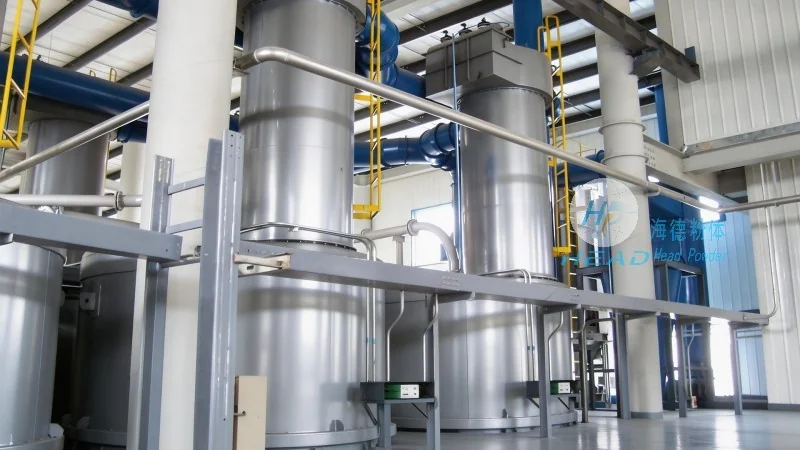
Key Components of a Pneumatic Conveying System for Industrial Salt
The effectiveness of an industrial salt pneumatic conveying system depends on several critical components that work in tandem to ensure optimal performance. These components include the hopper or feed bin, which stores and feeds the salt into the system; the air compressor or blower, which generates the necessary air pressure to move the material; the conveying line, typically made of stainless steel or other corrosion-resistant materials to handle the salt's properties; and the control system, which regulates the flow of air and material. Each component is designed to withstand the abrasive nature of industrial salt and maintain consistent operation over extended periods.
Design Considerations for Industrial Salt Handling
When designing a pneumatic conveying system for industrial salt, several factors must be considered to ensure durability and efficiency. Material selection is paramount, as industrial salt can be corrosive and abrasive. Stainless steel, particularly 316L, is commonly used for components that come into direct contact with the salt to prevent rust and degradation. The system's design also considers the salt's moisture content and particle size, as these affect the air velocity required for effective transport. For example, finer salt particles may require higher air speeds to prevent clogging in the conveying line. Additionally, the system must be equipped with proper filtration and dust collection mechanisms to comply with environmental regulations and maintain a clean working environment.
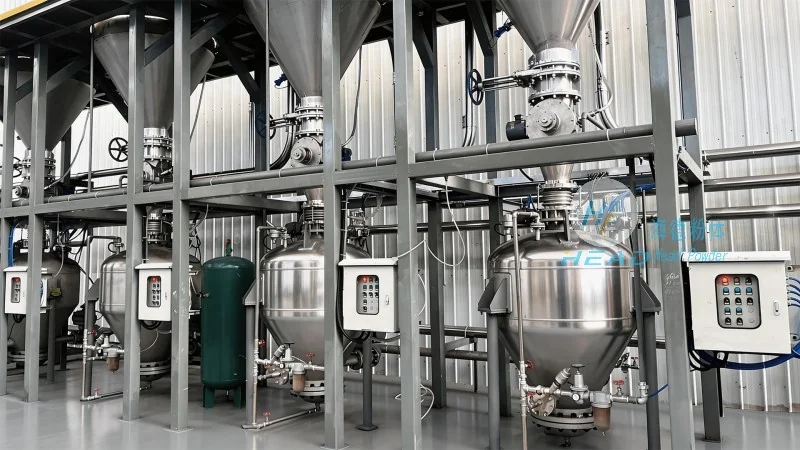
Applications of Industrial Salt Pneumatic Conveying Systems
Industrial salt pneumatic conveying systems are widely used in various industries due to their versatility and efficiency. In the chemical industry, these systems transport salt to reactors and processing units, where it is used as a raw material for producing other chemicals. In the food industry, they are employed to move salt for seasoning and preservation processes, ensuring hygienic handling and minimal contamination. The de-icing industry also relies on pneumatic conveying systems to transport salt to road treatment facilities, where it is spread to prevent ice formation on roads and highways. Each application requires a customized system design to meet specific operational requirements, such as material flow rates, distance, and environmental conditions.
Advantages of Using Pneumatic Conveying for Industrial Salt
Compared to traditional methods like belt conveyors or bucket elevators, pneumatic conveying systems offer several advantages when handling industrial salt. One of the primary benefits is the reduction in dust generation, which improves workplace safety and compliance with environmental standards. The enclosed system also prevents material loss and contamination, which is crucial for industries where product purity is essential. Additionally, pneumatic conveying systems can transport industrial salt over longer distances with fewer intermediate transfer points, reducing the overall system complexity and maintenance requirements. The ability to handle varying flow rates and material types makes these systems adaptable to changing production needs, providing flexibility for industrial operations.
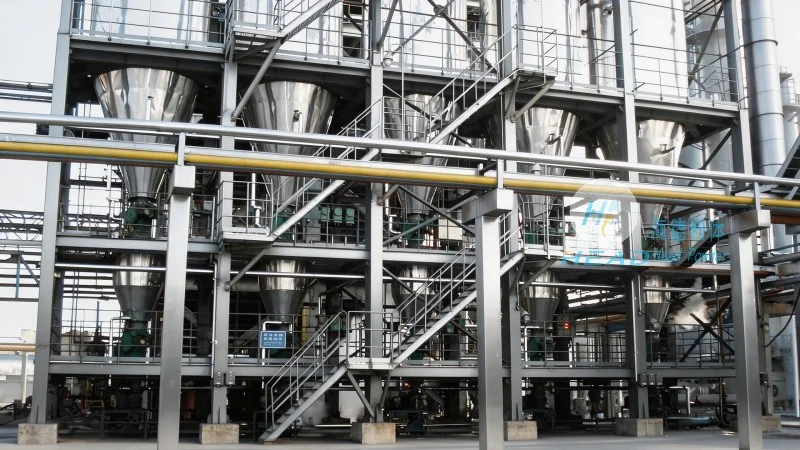
Case Study: Industrial Salt Handling at Shandong HeadPowder Engineering Co., Ltd.
Shandong HeadPowder Engineering Co., Ltd., a leading manufacturer of industrial material handling solutions, specializes in designing and installing pneumatic conveying systems for industrial salt applications. The company, commonly known as headpowder, has extensive experience in handling the unique challenges of industrial salt, including its abrasive nature and potential for moisture absorption. A recent project involved supplying a pneumatic conveying system to a chemical plant in China, where the system was designed to transport 100 tons of industrial salt per hour over a distance of 200 meters. The system, equipped with stainless steel components and advanced control technology, successfully met the plant's operational requirements, achieving high efficiency and low maintenance costs. This case study highlights the expertise of headpowder in providing customized solutions that address the specific needs of industrial salt handling, ensuring reliable and cost-effective operations for their clients.
Conclusion and Future Trends
Industrial salt pneumatic conveying systems continue to be a critical component in the efficient handling of industrial salt across various industries. The advancements in material technology and control systems have improved the performance and reliability of these systems, making them a preferred choice over traditional methods. As industries continue to demand higher efficiency and lower environmental impact, the demand for advanced pneumatic conveying systems is expected to grow. Companies like Shandong HeadPowder Engineering Co., Ltd. play a vital role in meeting these demands by providing customized solutions that integrate the latest technology and design principles. By investing in reliable pneumatic conveying systems, industrial facilities can enhance their operational efficiency, reduce maintenance costs, and ensure compliance with environmental regulations, ultimately contributing to their long-term success.