

Lysine Pneumatic Conveying System Analysis
HeadPowder, a leading engineering company based in Shandong, China, specializes in the design and implementation of advanced pneumatic conveying systems for the lysine industry. This article provides a detailed analysis of such systems, focusing on their functionality, benefits, and practical applications. The company's expertise in material handling technology ensures that clients receive tailored solutions that meet the unique demands of lysine production and distribution.
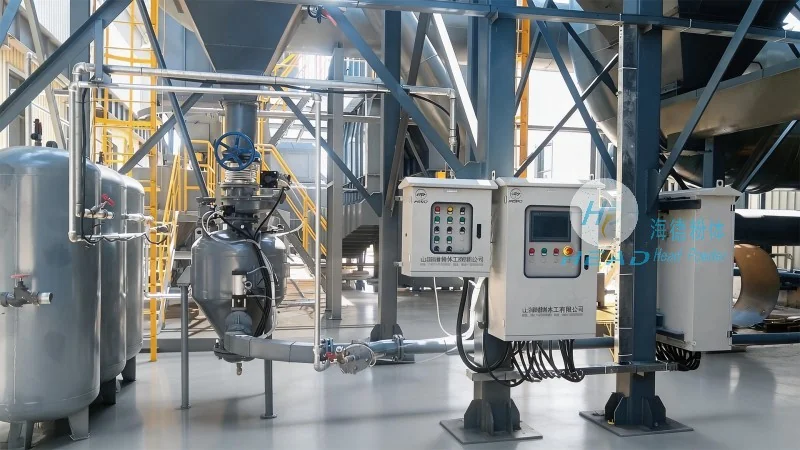
Understanding Pneumatic Conveying Technology
Pneumatic conveying systems utilize air or other gases to transport bulk materials like lysine powder through a pipeline network. These systems are engineered to ensure efficient, safe, and reliable material handling, which is critical in the production and distribution of lysine, a vital amino acid used in animal feed and pharmaceuticals. The technology operates by creating a pressure differential that propels the material forward, allowing for seamless transfer between different stages of the production process.
Key Components of Lysine Pneumatic Conveying Systems
The core components of a lysine pneumatic conveying system include the material feed hopper, air compressor, conveying pipeline, and material discharge unit. The feed hopper is designed to store and meter the lysine powder, ensuring a consistent flow rate that matches the system's capacity. The air compressor generates the necessary pressure to move the material through the pipeline, with the pressure level determined by the material's properties and the distance to be covered. The pipeline network is typically made of stainless steel or other corrosion-resistant materials to maintain product purity and prevent contamination. The discharge unit then delivers the lysine to the next processing stage or storage location, with options including rotary valves, pneumatic actuators, or manual controls.
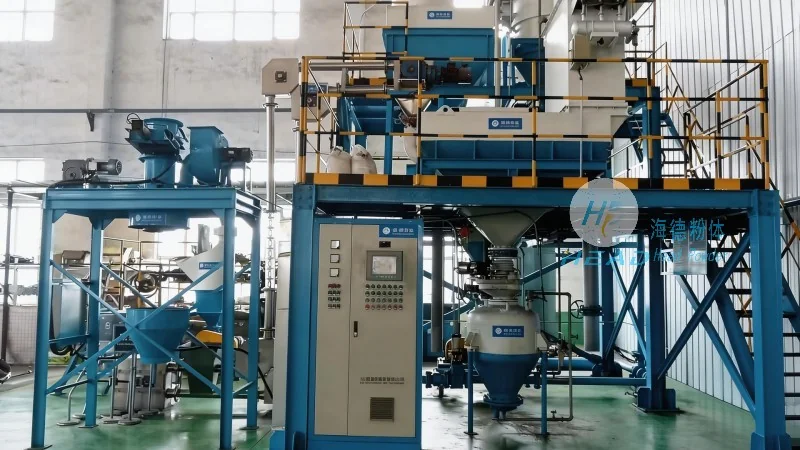
Advantages of Using Pneumatic Conveying for Lysine
Implementing pneumatic conveying systems for lysine offers several advantages over traditional methods such as belt conveyors or bucket elevators. These systems provide a closed-loop operation, minimizing dust emissions and ensuring a clean working environment, which is essential for maintaining product quality and regulatory compliance. They also enable precise control over material flow rates, which is crucial for achieving consistent product uniformity and preventing overloading or underloading of processing equipment. Additionally, pneumatic conveying systems are highly flexible, allowing for easy integration with existing production lines and the ability to transport lysine over long distances without the need for multiple transfer points, thus reducing the overall footprint of the facility.
Design Considerations for Optimal Performance
When designing a lysine pneumatic conveying system, several factors must be considered to ensure optimal performance and efficiency. These include the material's properties, such as its bulk density (typically around 0.6 to 0.8 g/cm³ for lysine powder) and flowability, which influence the required air velocity and pressure. The system's layout and the distance between the feed and discharge points also play a crucial role in determining the appropriate equipment specifications, including the size of the air compressor and the diameter of the conveying pipeline. HeadPowder's engineering team conducts thorough analyses of these factors, using computational fluid dynamics (CFD) and other simulation tools to model the system's behavior and optimize the design before implementation. This approach ensures that the final system meets the client's performance targets while minimizing operational costs.
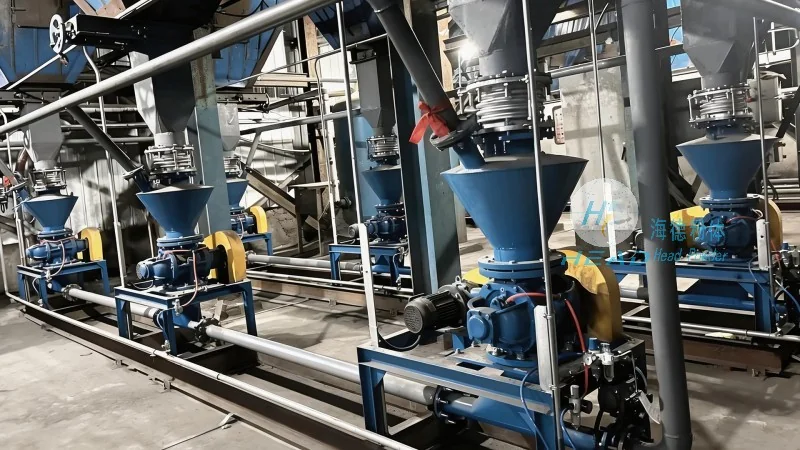
Applications in the Lysine Industry
Lysine pneumatic conveying systems are widely used in various stages of lysine production and processing. They are commonly employed in the transfer of raw lysine from storage silos to processing units, such as reactors or crystallizers, where it is further processed into its final form. The systems are also used in the movement of finished lysine products to packaging facilities, where they are loaded into bags or containers for distribution to customers. In addition, pneumatic conveying is used in the blending of lysine with other ingredients to create animal feed formulations, ensuring uniform distribution and consistent nutritional content. The systems are also suitable for handling lysine in its various forms, including powder, granules, or prills, adapting to the specific requirements of each application.
Maintenance and Operational Best Practices
Proper maintenance is essential to ensure the long-term reliability and efficiency of lysine pneumatic conveying systems. Regular cleaning of the pipeline and components is necessary to prevent clogging and maintain air flow, as lysine powder can accumulate in the system over time and affect performance. The air compressor and other mechanical parts should be inspected and serviced according to the manufacturer's recommendations, with filters and oil levels checked regularly to prevent contamination and ensure smooth operation. HeadPowder provides comprehensive maintenance services, including on-site inspections, preventive maintenance plans, and spare parts supply, to help clients minimize downtime and maximize the lifespan of their conveying systems. Additionally, the company offers training programs for clients' staff to ensure proper operation and troubleshooting, further enhancing the system's performance and reliability.