

Analysis of Sodium Chlorate Pneumatic Conveying Systems
The sodium chlorate pneumatic conveying system is a specialized industrial solution designed for the efficient and safe transportation of sodium chlorate, a critical chemical used in various applications such as pulp and paper production, chemical synthesis, and water treatment. This system leverages pneumatic technology to move the material from its source to the destination, ensuring minimal contamination and optimal operational efficiency.
Key Components of the Pneumatic Conveying System
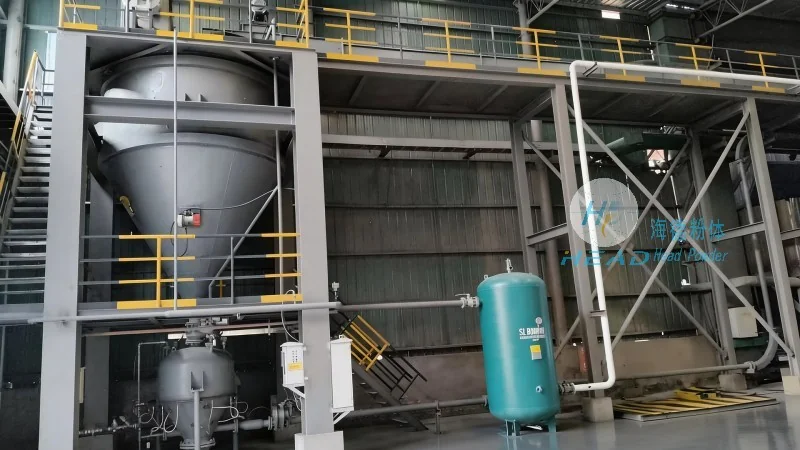
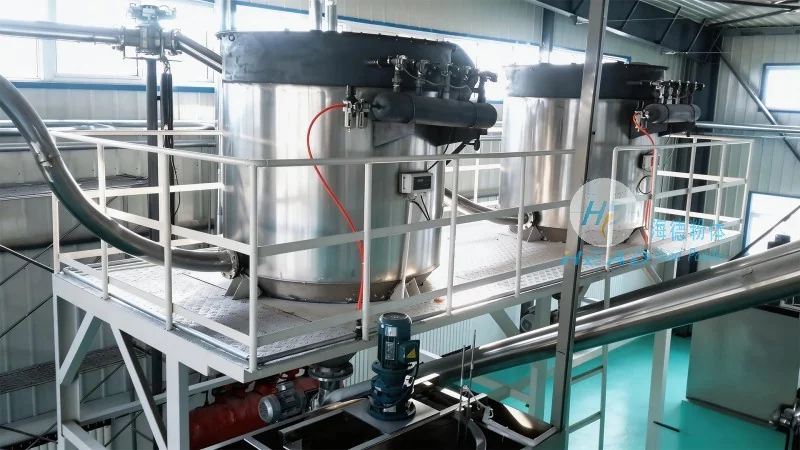
The system typically consists of several core components that work in tandem to achieve reliable material transport. These include a hopper or storage bin for material containment, a conveyor line (often equipped with a venturi or rotary valve), a dust collector or filter system to manage airborne particles, and a control panel for monitoring and adjusting operational parameters. Each component is engineered to handle the specific properties of sodium chlorate, including its granular or powder form and potential reactivity under certain conditions.
Advantages of the Pneumatic Conveying System for Sodium Chlorate
Implementing a pneumatic conveying system for sodium chlorate offers several distinct advantages over traditional methods like belt conveyors or bucket elevators. One primary benefit is the ability to maintain a closed system, which significantly reduces the risk of dust exposure and environmental contamination. This is particularly important given the health and safety considerations associated with handling sodium chlorate, as inhalation of fine particles can pose respiratory risks. Additionally, the system provides a more consistent and controlled flow rate, minimizing material degradation and ensuring product integrity throughout the conveying process. The closed design also helps in maintaining a stable temperature and humidity environment, which is crucial for preserving the chemical properties of sodium chlorate.
About Shandong HeadPowder Engineering Co., Ltd.
HeadPowder, as the manufacturer of this advanced pneumatic conveying system, is a leading provider of industrial chemical handling solutions. With headquarters in Shandong, China, the company specializes in designing and fabricating customized equipment tailored to the unique needs of chemical processing industries. HeadPowder’s expertise lies in integrating cutting-edge technology with robust engineering principles to deliver systems that meet stringent safety and performance standards. The company’s commitment to quality and customer satisfaction has established it as a trusted partner in the global chemical processing sector.
Operational Performance and Safety Features
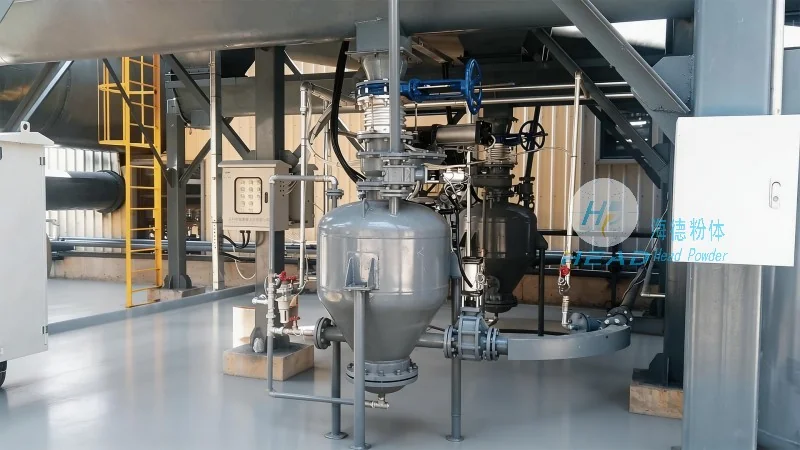
The sodium chlorate pneumatic conveying system is engineered with a focus on both performance and safety. The system’s design ensures low pressure drop and high efficiency, allowing for long-distance transport with minimal energy consumption. Advanced control systems enable real-time monitoring of flow rates, pressure, and temperature, providing operators with immediate feedback to adjust operations as needed. Safety features include automatic shut-off mechanisms in case of blockages or over-pressurization, as well as integrated dust suppression systems to prevent the release of hazardous particles into the environment. These features align with international safety regulations and help ensure compliance in industrial settings.
Maintenance and Reliability Considerations
Proper maintenance is essential to ensure the long-term reliability and efficiency of the pneumatic conveying system. Regular inspections of the conveyor line, hopper, and filter system are recommended to detect and address any wear or damage promptly. The system’s components are constructed from corrosion-resistant materials, such as stainless steel, to withstand the chemical properties of sodium chlorate and extend service life. HeadPowder provides comprehensive maintenance services and spare parts support to help clients maintain optimal system performance. The robust design of the system minimizes downtime and ensures consistent operation, which is critical for maintaining production schedules in chemical processing facilities.