

[Pneumatic Conveying Systems for Potassium Chloride: An Analysis]
Efficient material handling is a critical factor in the productivity and safety of industrial operations, especially when dealing with bulk materials like potassium chloride. This analysis explores the pneumatic conveying systems engineered to transport potassium chloride, detailing their design, operational principles, and practical applications in various industrial sectors.
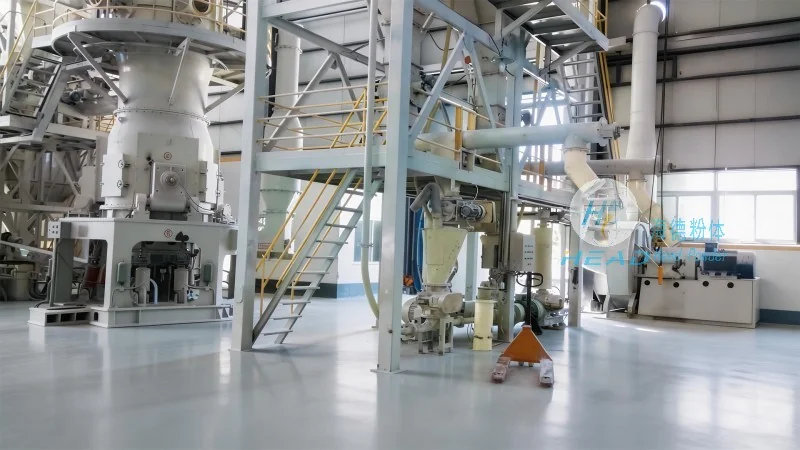
Core Principles of Pneumatic Conveying
Pneumatic conveying systems operate by using air or other gases to move bulk materials through a sealed pipeline. This method contrasts with traditional mechanical conveyors, which rely on physical force to transport materials. The pneumatic approach offers several key benefits, including reduced equipment wear, lower maintenance requirements, and the ability to handle materials in a dust-free environment. The fundamental components of a pneumatic conveying system include a material feed hopper, a conveyor line, a dust collector, and a control unit. Each component works in tandem to ensure the consistent and reliable movement of potassium chloride from its source to the processing point.
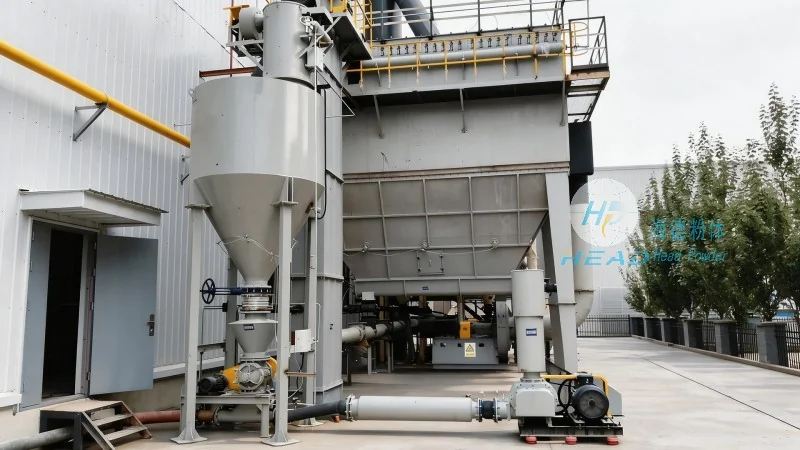
Design Considerations for Potassium Chloride Handling
When designing a pneumatic conveying system for potassium chloride, engineers must address specific challenges associated with this material. Potassium chloride is hygroscopic, meaning it can absorb moisture from the air, which may lead to caking or blockages in the conveying line. To prevent this, modern systems incorporate heated conveyor lines and moisture-resistant materials. Additionally, the system must maintain the purity of the material, as potassium chloride is often used in applications where contamination is unacceptable, such as in fertilizer production or chemical synthesis. High-quality, corrosion-resistant materials are used for the conveyor components to avoid product contamination and ensure long-term durability.
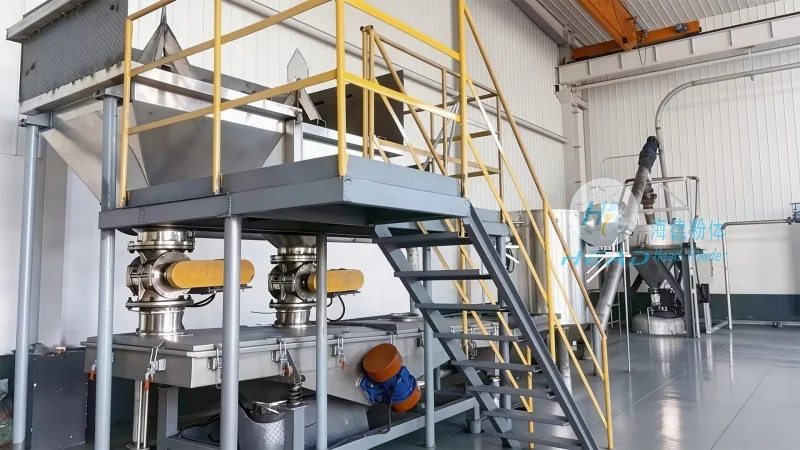
Industrial Applications and Integration
Potassium chloride pneumatic conveying systems are widely employed in the fertilizer industry, where they efficiently transport raw potassium chloride to processing plants for blending with other nutrients. In chemical manufacturing, these systems ensure precise dosing of potassium chloride in reaction processes, maintaining consistent product quality. The flexibility of pneumatic conveying allows for seamless integration into existing production lines, minimizing downtime and enhancing operational efficiency. Furthermore, the ability to transport materials over long distances without intermediate storage points makes these systems ideal for large-scale operations, such as in mining or chemical processing facilities.
Advantages Over Traditional Conveying Methods
Compared to mechanical conveyors like belt or screw conveyors, pneumatic systems offer significant advantages. The primary benefit is the closed system design, which reduces dust emissions and improves workplace safety, a critical consideration for handling potassium chloride due to its potential respiratory hazards. Pneumatic systems also handle materials with varying flow characteristics, including those prone to clumping or caking, which can cause issues in traditional conveyors. The compact design of these systems saves valuable floor space in industrial facilities, making them suitable for both new installations and retrofitting existing plants.
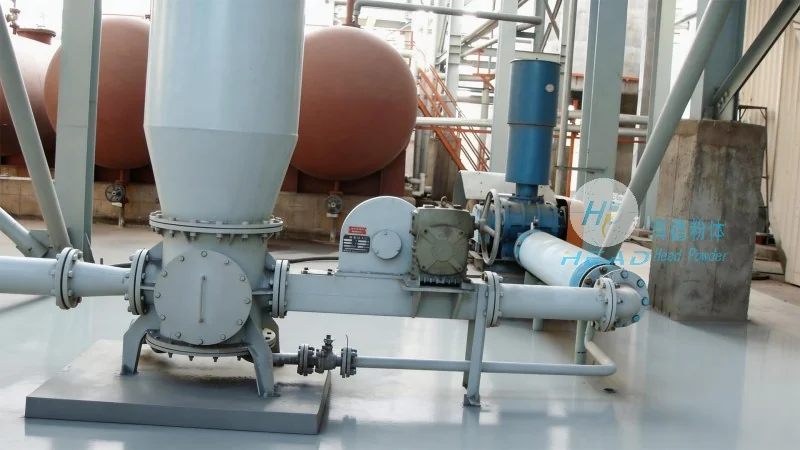
Custom Solutions by Shandong HeadPowder Engineering Co., Ltd.
Shandong HeadPowder Engineering Co., Ltd., headquartered in Shandong, China, specializes in the design and manufacturing of customized pneumatic conveying systems tailored to the unique needs of clients. The company leverages advanced engineering expertise to develop solutions that meet the specific requirements of each project, whether for small-scale operations or large industrial facilities. Systems can be scaled to handle varying volumes of potassium chloride, ensuring optimal performance. The company's commitment to quality and innovation ensures that each system is built to withstand continuous operation, providing long-term reliability and efficiency. By partnering with Shandong HeadPowder Engineering Co., Ltd., industries can enhance their material handling capabilities and improve overall operational productivity.