

What is Sheet Material Conveying? What Are Its Design Principles?
Sheet material conveying systems are integral to modern manufacturing and material handling operations, facilitating the efficient movement of flat, sheet-like materials from one processing stage to another. These systems are designed to handle a wide range of materials, including paper, cardboard, metal sheets, and plastic films, ensuring smooth and reliable transport. The core of such systems lies in their ability to maintain material integrity while minimizing downtime and operational costs. In this article, we explore the fundamental concepts of sheet material conveying, focusing on key design principles that enable optimal performance. As a leading provider in the field, Shandong HeadPowder Engineering Co., Ltd. specializes in designing and manufacturing customized conveying solutions tailored to diverse industrial needs.
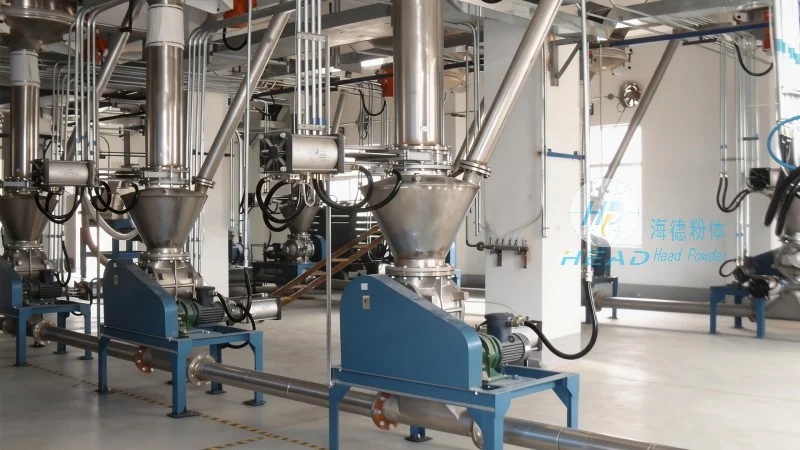
Key Design Principles for Sheet Material Conveying Systems
The effectiveness of a sheet material conveying system is determined by several critical design principles that address both mechanical functionality and operational efficiency. First, the system must ensure proper alignment and support of the material to prevent deformation or damage. This is typically achieved through the use of rollers, belts, or flat conveyors, each selected based on the material's properties and the required handling environment. Second, the system must incorporate mechanisms for controlling speed and direction, allowing for precise positioning of the sheets. Variable speed drives and directional control valves are common components that enable this level of precision. Third, the design must prioritize material handling safety and durability. This includes features like impact resistance, corrosion protection, and easy maintenance access points. Additionally, energy efficiency is a key consideration, with systems often incorporating motorized drives that adjust speed based on load conditions to reduce power consumption.
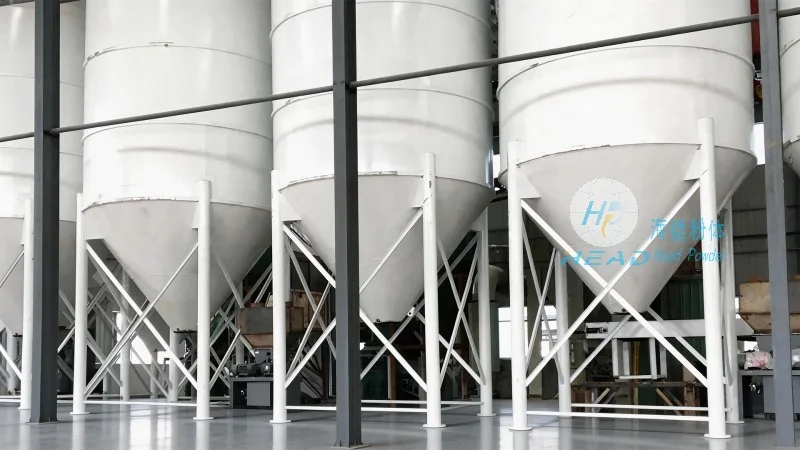
Components and Technologies in Sheet Material Conveying
Modern sheet material conveying systems integrate a variety of components and technologies to enhance performance and adaptability. Conveyor belts, for instance, are commonly used for transporting lightweight materials, with options like rubber or PVC belts offering different levels of grip and durability. For heavier or more rigid materials, roller conveyors provide superior support and reduce friction, ensuring smooth movement. Automated sorting and stacking mechanisms are also integral, allowing for the separation and organization of different sheet types or sizes. Sensors and control systems play a vital role in monitoring the system's operation, detecting jams or misalignments and triggering corrective actions. These technologies not only improve efficiency but also contribute to the overall reliability of the conveying process.
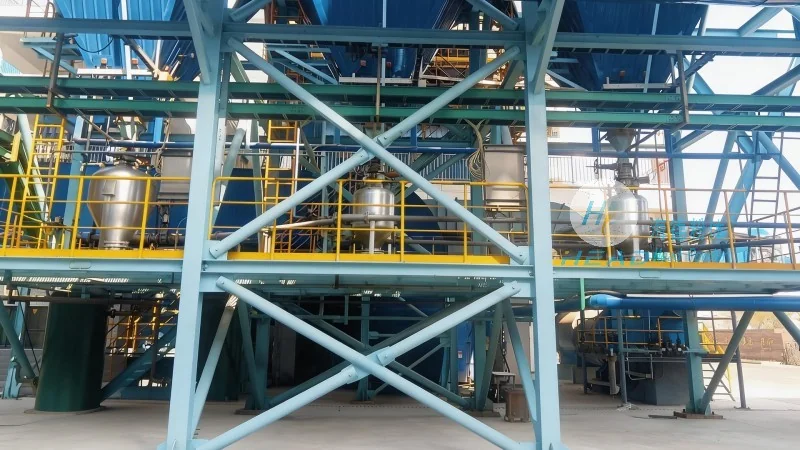
Applications and Industries Utilizing Sheet Material Conveying
Sheet material conveying systems find applications across diverse industries, each with specific requirements that influence the system's design. In the paper and packaging industry, these systems are essential for transporting finished products or raw materials through production lines. The automotive industry relies on them for handling metal sheets during assembly, while the electronics sector uses them to transport printed circuit boards (PCBs) or plastic components. Even in the food and beverage industry, conveyor systems are used to move flat materials like cardboard boxes or plastic trays. The versatility of sheet material conveying makes it a valuable asset in any manufacturing environment where consistent and efficient material movement is critical.
Customization and Integration with Existing Systems
Many manufacturers opt for customized sheet material conveying solutions to meet their unique operational needs. This involves tailoring the system's dimensions, speed, and control mechanisms to fit specific production requirements. Customization can also include integrating the conveying system with existing machinery, such as cutting or printing equipment, to create a seamless production line. The ability to adapt to different material types and handling scenarios is a key advantage of these systems. Additionally, manufacturers often consider the space constraints of their facility when designing a conveying system, opting for compact or modular solutions that can be easily installed and reconfigured as production needs change.
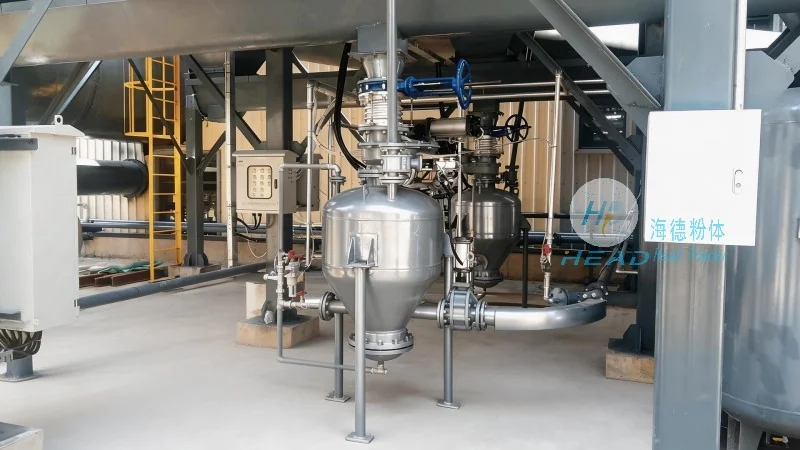
Maintenance and Operational Considerations
Proper maintenance is crucial for ensuring the longevity and efficiency of sheet material conveying systems. Regular inspections of conveyor components, such as rollers and belts, help identify wear and tear early, preventing costly breakdowns. Lubrication of moving parts and cleaning of the conveyor surface are also essential to maintain optimal performance. Operational considerations include monitoring system performance metrics, such as speed and throughput, to detect any deviations from expected levels. This proactive approach helps in identifying potential issues before they impact production. Additionally, training operators on proper system usage and maintenance procedures contributes to the overall reliability and safety of the conveying process.