

What is Cotton Material Conveying? What Are the Design Principles?
Cotton material conveying is a specialized process used in various industrial settings to transport raw cotton or processed cotton products efficiently. This method is crucial for optimizing workflow in textile manufacturing, cotton processing plants, and agricultural storage facilities. The core objective of cotton material conveying is to move bulk cotton materials from one location to another with minimal loss, reduced labor costs, and enhanced operational efficiency. By leveraging appropriate conveying systems, industries can streamline their production lines, improve material handling, and ensure consistent quality throughout the cotton processing cycle.
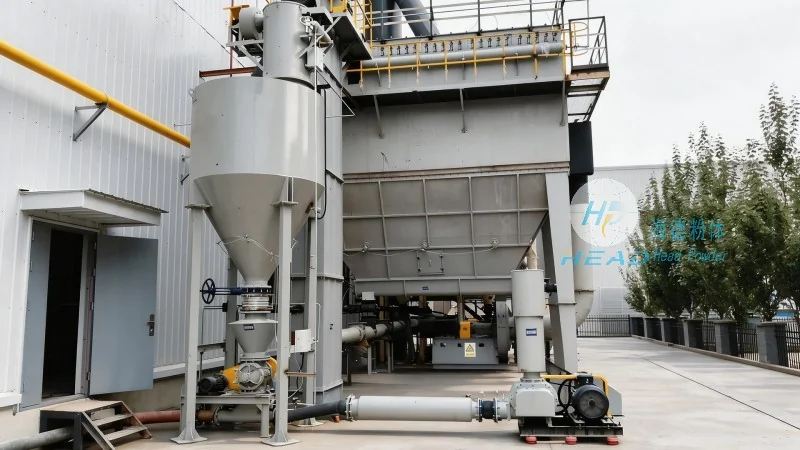
The Fundamental Design Principles of Cotton Material Conveying Systems
The design of cotton material conveying systems is based on several key principles that ensure optimal performance and reliability. These principles include material compatibility, system efficiency, and operational safety. Material compatibility is paramount, as cotton fibers are delicate and can be easily damaged by harsh materials or abrasive surfaces. Therefore, conveying systems typically use smooth, non-abrasive surfaces, such as stainless steel or specialized plastic components, to prevent fiber breakage and maintain material integrity. System efficiency is another critical factor, as cotton material conveying often involves large volumes of material. To achieve high efficiency, systems are designed with appropriate conveyor speeds, capacity, and layout to minimize bottlenecks and maximize throughput. Operational safety is also a top priority, as cotton dust can be a fire hazard and respiratory irritant. Conveying systems incorporate features like dust collection, explosion-proof designs, and proper ventilation to mitigate these risks and ensure a safe working environment.
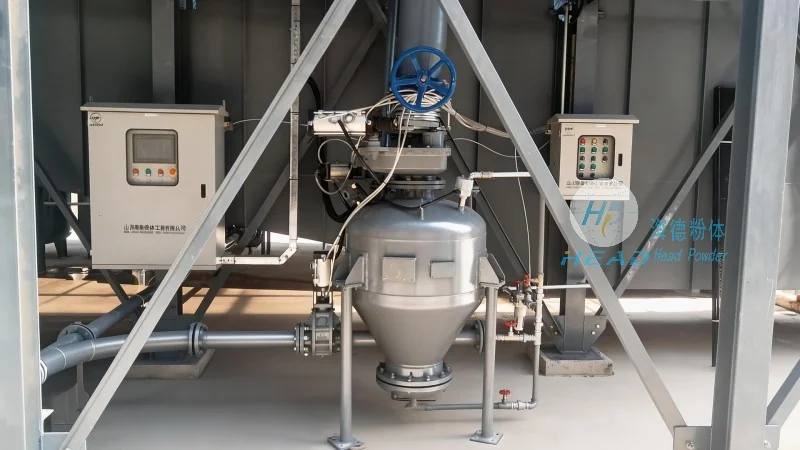
Key Components and Technologies in Cotton Material Conveying
Modern cotton material conveying systems incorporate a range of components and technologies to enhance performance and adaptability. These components include feeders, conveyors, and control systems, each playing a vital role in the overall operation. Feeders are responsible for uniformly distributing cotton material into the conveying system, ensuring consistent flow and preventing overloading. Common types of feeders include screw feeders, belt feeders, and vibratory feeders, each suited to different material characteristics and processing requirements. Conveyors, the primary transport mechanism, can be categorized into several types, including belt conveyors, chain conveyors, and pneumatic conveyors. Belt conveyors are widely used for horizontal and slight incline transport due to their simplicity and ability to handle large volumes. Chain conveyors are ideal for steep inclines or vertical transport, providing the necessary traction and support for heavy loads. Pneumatic conveyors, or air-powered systems, are particularly effective for transporting fine cotton fibers or dust, as they use air pressure to move material through pipes. Control systems, often integrated with sensors and automation, monitor and regulate the conveying process, ensuring smooth operation and preventing issues like blockages or overflows.
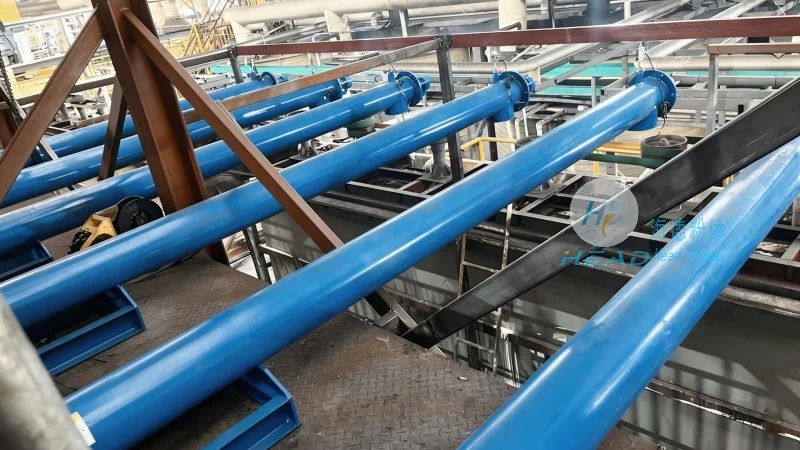
Design Considerations for Efficient Cotton Material Conveying
When designing a cotton material conveying system, several factors must be carefully considered to achieve optimal results. These considerations include the type of cotton material being handled, the required conveying capacity, the layout of the facility, and the environmental conditions. The type of cotton material, whether raw or processed, affects the choice of conveying equipment. For example, raw cotton may require gentler handling to prevent fiber damage, while processed cotton products may need more robust systems to handle higher volumes or different textures. The required conveying capacity is another critical factor, as it determines the size and speed of the conveyor components. A well-designed system should be able to handle the expected throughput without causing bottlenecks or excessive wear on components. The facility layout is also important, as the conveyor system must be integrated seamlessly with existing equipment and workflows. This may involve considering the available space, the need for vertical or horizontal transport, and the proximity of other processing units. Environmental conditions, such as temperature and humidity, can impact the performance of cotton material conveying systems. For instance, high humidity can cause cotton to clump together, leading to blockages in the conveyor. Therefore, systems may include features like heating or drying to maintain optimal material conditions. Additionally, the design must account for maintenance and cleaning requirements, as cotton fibers can accumulate in system components and require regular cleaning to prevent clogging and ensure long-term reliability.
Applications of Cotton Material Conveying in the Textile Industry
Cotton material conveying plays a vital role in various stages of the textile manufacturing process. From raw cotton storage to finished product packaging, conveying systems are integral to each step. In the initial stages, cotton material is often stored in large bales or bags. Conveying systems are used to move these bales from storage areas to processing machines, such as opening machines or carding machines. This initial transport is crucial for ensuring a steady supply of material to the processing line. During the processing stage, cotton material is transformed from raw fibers into yarn or fabric. Conveying systems are used to transport processed materials between different machines, such as from carding to combing or from spinning to weaving. This continuous movement of material helps maintain the flow of production and reduces downtime. In the final stages, finished cotton products, such as fabric rolls or garments, are conveyed to packaging and shipping areas. Conveying systems ensure that these products are transported efficiently and safely, minimizing damage and ensuring timely delivery to customers. Additionally, cotton material conveying is used in quality control processes, where samples are taken from the material stream and transported to testing laboratories for analysis. This helps ensure that the final product meets the required standards and specifications.
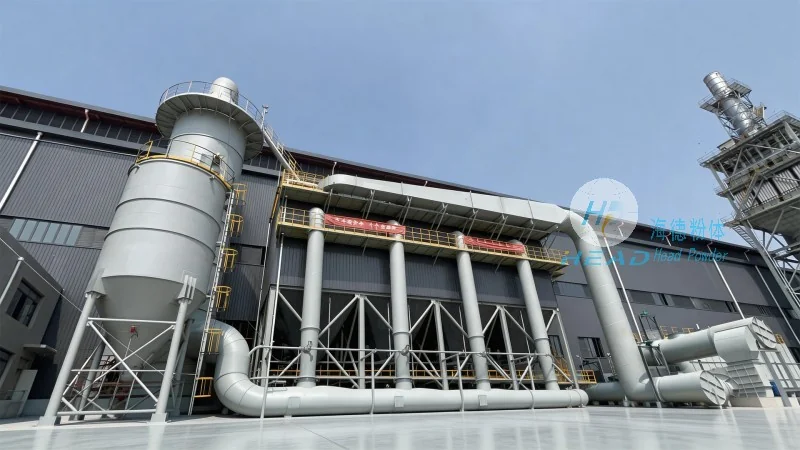
Case Study: Cotton Material Conveying Solutions by Shandong HeadPowder Engineering Co., Ltd.
Shandong HeadPowder Engineering Co., Ltd., a leading provider of industrial conveying solutions, specializes in designing and manufacturing customized cotton material conveying systems tailored to the specific needs of textile and agricultural industries. With years of experience in the field, the company has developed a comprehensive range of products and services that address the unique challenges of cotton material handling. HeadPowder's cotton material conveying systems are designed with the fundamental principles of material compatibility, efficiency, and safety in mind. The company uses high-quality materials and advanced technologies to ensure that its systems are durable, reliable, and capable of handling large volumes of cotton material. For example, their belt conveyors are equipped with smooth, non-abrasive surfaces to prevent fiber damage, and their pneumatic conveyors incorporate dust collection systems to mitigate fire hazards. The company also offers customized solutions, allowing clients to select the appropriate components and layout based on their specific requirements. This flexibility ensures that each system is optimized for the client's workflow and operational needs. HeadPowder's commitment to quality and customer satisfaction has made them a trusted partner for many textile and agricultural companies. Their systems have been successfully implemented in various facilities, improving material handling efficiency and reducing operational costs. By leveraging their expertise and innovative solutions, HeadPowder helps clients achieve their production goals while maintaining the highest standards of safety and quality.