

What is Soil Material Conveying? What Are the Design Principles?
Soil material conveying is a critical process in various industries, particularly in construction, mining, and environmental management. It involves the efficient transport of loose materials such as soil, sand, gravel, and other bulk solids from one location to another. This operation is essential for projects ranging from earthmoving and land reclamation to waste management and material processing. The effectiveness of soil material conveying systems directly impacts project timelines, operational costs, and overall safety on site.
Understanding Soil Material Conveying Systems
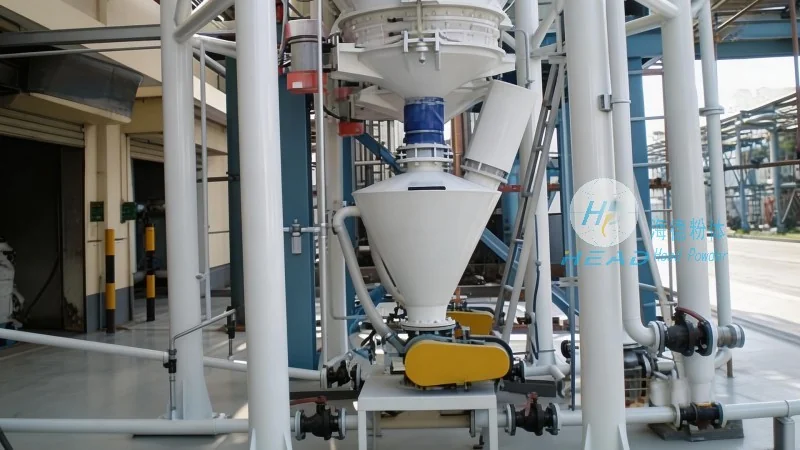
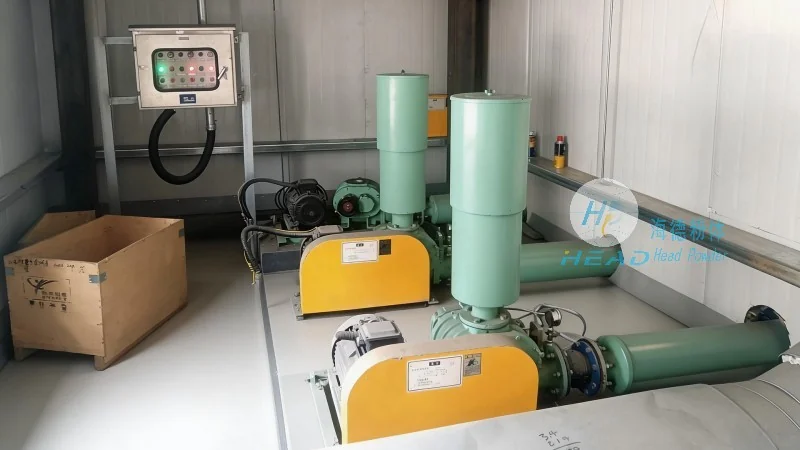
At the core of soil material conveying is a system designed to handle bulk materials in a continuous or intermittent manner. These systems typically consist of several key components, including feed hoppers, conveyors (like belt conveyors, screw conveyors, or pneumatic conveyors), control mechanisms, and discharge points. The choice of equipment depends on the characteristics of the material being conveyed—such as particle size, moisture content, and density—as well as the distance and elevation changes required for transport.
Key Design Principles for Soil Material Conveying
The design of a soil material conveying system must adhere to several fundamental principles to ensure optimal performance and reliability. First, the system must be capable of handling the specific properties of the soil or material being transported. This includes considerations like the material's flowability, which is influenced by its moisture content and particle size distribution. A well-designed system will incorporate features to prevent material bridging or clogging, which can lead to operational inefficiencies and downtime.
Second, the system must be engineered for durability and longevity, especially when dealing with abrasive or heavy materials. Components such as conveyor belts, screw flights, and hopper linings are often made from high-strength materials like rubber, steel, or specialized polymers to withstand wear and tear. Additionally, the design must account for the mechanical stresses involved, including tension, torque, and load-bearing capacity, to prevent equipment failure during operation.
Third, energy efficiency is a critical design consideration. Soil material conveying systems often consume significant power, particularly in long-distance or high-elevation applications. Modern designs incorporate energy-saving features, such as variable-speed drives, which adjust the conveyor speed based on the load, reducing unnecessary energy consumption. This not only lowers operational costs but also aligns with sustainability goals in industrial operations.
System Integration and Control
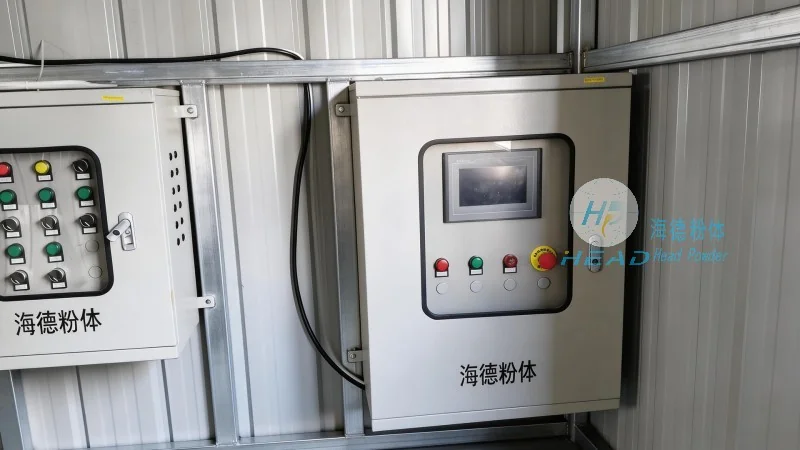
Effective soil material conveying relies on seamless integration of all components and precise control mechanisms. The feed hopper is designed to regulate the flow of material into the conveyor, preventing overloading or underloading that could affect system performance. Control systems, often automated, monitor parameters like flow rate, pressure, and temperature, adjusting the operation of the conveyor in real-time to maintain optimal conditions. This level of automation enhances safety by reducing the risk of human error and ensures consistent material handling.
Applications and Industry Impact
Soil material conveying systems are widely used across multiple sectors. In construction, they facilitate the movement of earth during site preparation, excavation, and backfilling, enabling faster project completion. In mining operations, these systems are crucial for transporting ore and waste rock from the mine face to processing facilities or disposal sites. Environmental management applications include the transport of soil for reclamation projects, such as restoring mined land or creating new habitats. The efficiency of these systems directly contributes to the success of these projects by ensuring materials are moved safely and efficiently.
Conclusion
Soil material conveying is a sophisticated process that requires careful consideration of material properties, equipment selection, and system design. By adhering to key principles such as material compatibility, durability, energy efficiency, and integrated control, engineers can develop systems that meet the demands of modern industrial applications. Companies like Shandong HeadPowder Engineering Co., Ltd., based in China, specialize in designing and manufacturing advanced soil material conveying solutions tailored to the unique needs of various industries. Their expertise in engineering and material handling ensures that clients receive reliable, efficient systems that enhance productivity and operational safety.