

What is Dry Lime Material Handling? What are the Design Principles?
Understanding dry lime material handling is crucial for industries that rely on this calcium-based material, which is widely used in applications such as flue gas desulfurization, water treatment, and chemical manufacturing. The efficient and safe transportation of dry lime from storage to processing points is essential to maintain operational efficiency and product quality. This article explores the fundamental aspects of dry lime material handling systems and the key design principles that ensure their effectiveness.
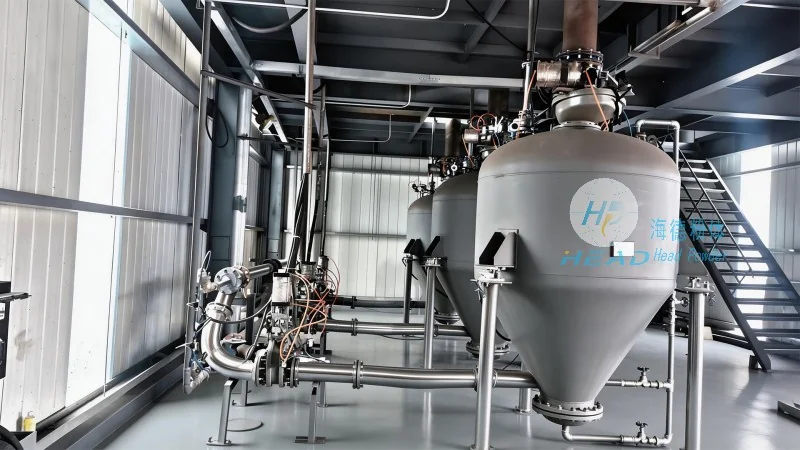
Introduction to Dry Lime Material Handling
Dry lime, also known as quicklime or calcium oxide, is a white, caustic material produced through the calcination of limestone. Its primary use is in industrial processes where it reacts with acidic substances to neutralize or precipitate contaminants. However, due to its hygroscopic nature—its tendency to absorb moisture from the air—dry lime can quickly clump or cake if not handled properly. This makes the design of material handling systems for dry lime a critical engineering challenge. The goal of such systems is to move dry lime from storage silos or bulk containers to processing equipment with minimal loss, contamination, or operational hazards.
HeadPowder Engineering: A Specialist in Dry Lime Handling Solutions
Shandong HeadPowder Engineering Co., Ltd. is a leading provider of customized material handling solutions tailored to the unique challenges of dry lime. With headquarters in Shandong, China, the company leverages decades of experience in bulk material handling to design, manufacture, and install systems that meet the specific needs of clients across various industries. HeadPowder's expertise lies in understanding the physical and chemical properties of dry lime and translating them into practical, reliable handling solutions. The company's approach is centered on client collaboration, ensuring that each project is tailored to the operational requirements, space constraints, and safety standards of the end-user.
Key Design Principles for Dry Lime Material Handling Systems
The design of a dry lime material handling system involves a comprehensive evaluation of several factors to ensure optimal performance and safety. The following principles are fundamental to the successful implementation of such systems:
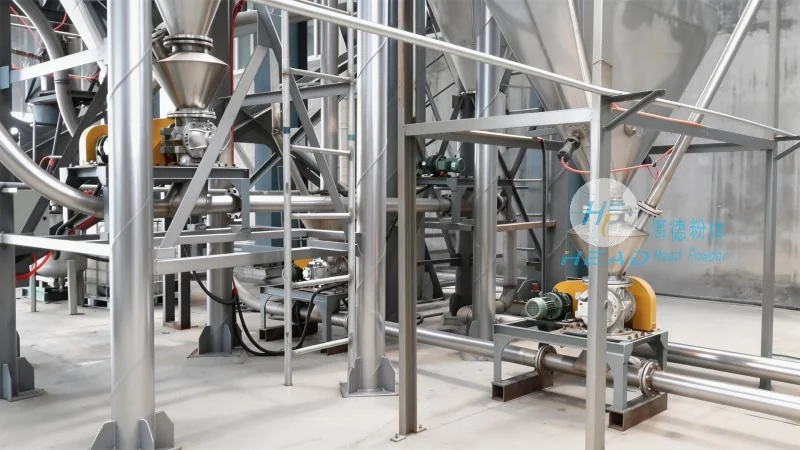
1. Material Characterization and Property Analysis
Before designing a handling system, it is essential to thoroughly characterize the dry lime being handled. This includes assessing its particle size distribution, bulk density, flowability (e.g., using the angle of repose and Carr's index), and moisture content. These properties directly impact the choice of equipment and the system's overall design. For example, dry lime with a high angle of repose may require specialized feeding mechanisms to prevent bridging or ratholing in silos or hoppers. Understanding the material's hygroscopic nature is also critical, as it dictates the need for enclosed systems and moisture control measures to prevent clumping.
2. Equipment Selection Based on Application Requirements
The selection of handling equipment is a critical step in system design. Different applications may require different types of equipment, and the choice is often influenced by factors such as the distance of material transport, the required flow rate, and the need for enclosed or open systems. Common equipment used in dry lime handling includes:
- Screw Conveyors: Ideal for short to medium-distance transport of dry lime, screw conveyors are suitable for handling materials with moderate flowability. They are enclosed, which helps prevent dust emission and moisture absorption. However, they may not be suitable for very fine or cohesive materials that tend to plug the screw.
- Air-Driven Pneumatic Conveying Systems: For long-distance or high-volume transport, pneumatic systems are often preferred. These systems use air pressure to move dry lime through pipes, making them suitable for applications where dust control and flexibility are paramount. However, they require careful design to prevent material degradation and ensure efficient air usage.
- Bucket Elevators: Used for vertical transport of dry lime, bucket elevators are effective for moving material from lower to higher levels. They are enclosed and can handle a wide range of particle sizes, but they may experience wear and tear due to the abrasive nature of dry lime.
- Rotary Valves and Feeders: These devices are used to control the flow of dry lime from storage silos or hoppers to downstream equipment. They are designed to handle cohesive or dusty materials and ensure a consistent flow rate, preventing surges or blockages.
HeadPowder Engineering considers all these factors when selecting equipment, ensuring that the chosen components are compatible with the material's properties and the system's operational goals.
3. System Integration and Control
A dry lime material handling system is typically part of a larger process, and its integration with other equipment is crucial for overall efficiency. The design must include control systems that monitor and regulate the flow of material, such as level sensors in silos, flow meters in conveyors, and pressure sensors in pneumatic systems. These controls help maintain consistent material flow, prevent overfilling or underfilling, and alert operators to potential issues such as blockages or system failures.
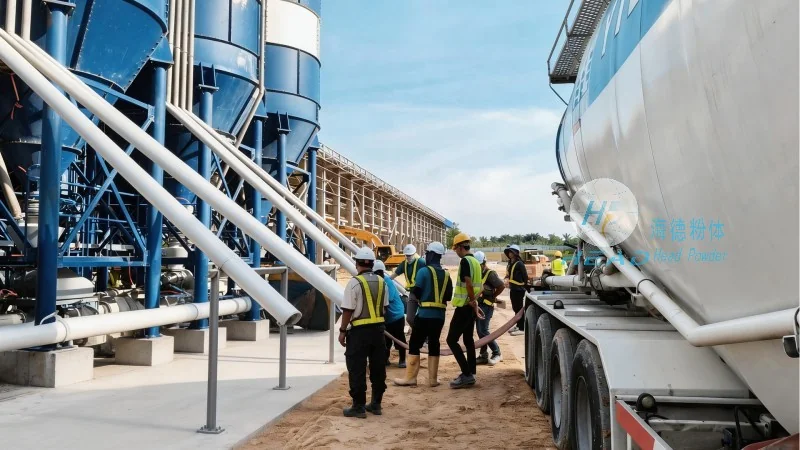
4. Dust Control and Environmental Considerations
Dry lime is a fine, powdery material that can generate significant dust during handling. This dust not only poses health risks to workers but also can lead to equipment wear and product contamination. Therefore, dust control is a critical design consideration. Enclosed systems, such as those using screw conveyors or pneumatic pipelines, are commonly employed to minimize dust emission. Additionally, the use of dust collection systems and proper ventilation can further reduce airborne dust levels. HeadPowder Engineering incorporates these measures into its designs to ensure compliance with environmental regulations and to protect both personnel and equipment.
5. Safety and Maintenance
Handling dry lime involves several safety considerations due to its caustic nature and potential for dust explosions. The design of the system must include safety features such as explosion-proof equipment, emergency shutdown systems, and proper ventilation to prevent the accumulation of dust. Regular maintenance is also essential to ensure the longevity and reliability of the system. HeadPowder Engineering provides maintenance services and recommends regular inspections to keep the system operating at peak performance and to prevent unexpected failures.
Conclusion: Ensuring Efficient and Safe Dry Lime Handling
The design of dry lime material handling systems requires a deep understanding of the material's properties, the application's requirements, and the principles of bulk material handling. By adhering to the key design principles outlined above, industries can ensure the efficient, safe, and cost-effective transportation of dry lime. Shandong HeadPowder Engineering Co., Ltd. specializes in applying these principles to create customized solutions that meet the unique needs of its clients, helping them optimize their operations and maintain product quality. Whether it's a new installation or an upgrade to an existing system, HeadPowder Engineering's expertise ensures that dry lime is handled with precision and care.