

What is Heavy Calcium Powder Material Handling? And What Are Its Design Principles?
Heavy calcium powder material handling is a critical process in various industrial applications, particularly in the production and processing of heavy calcium carbonate (CaCO₃) powders. This process involves the efficient movement, storage, and transfer of heavy calcium powder from one point to another within a manufacturing facility. The design principles behind such systems are crucial for ensuring optimal performance, safety, and cost-effectiveness. In this article, we will explore the fundamental aspects of heavy calcium powder material handling and the key design principles that guide its implementation.
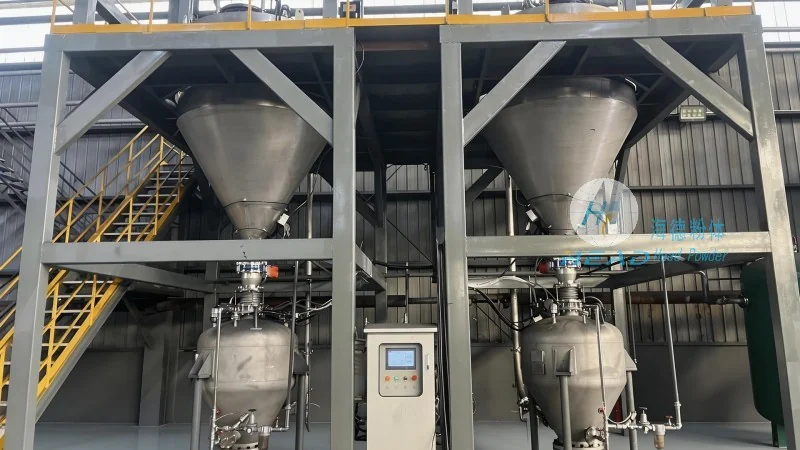
Understanding Heavy Calcium Powder
Heavy calcium powder, also known as heavy calcium carbonate, is a white, fine powder derived from limestone or marble. It is widely used in industries such as plastics, paper, coatings, and rubber due to its high whiteness, low oil absorption, and excellent dispersion properties. The material's fine particle size and cohesive nature make it challenging to handle, requiring specialized equipment and systems to ensure smooth and efficient processing. Understanding the physical and chemical properties of heavy calcium powder is essential for designing effective material handling solutions.
Key Design Principles for Heavy Calcium Powder Handling
The design of heavy calcium powder material handling systems is based on several fundamental principles aimed at addressing the unique challenges posed by this material. These principles include:
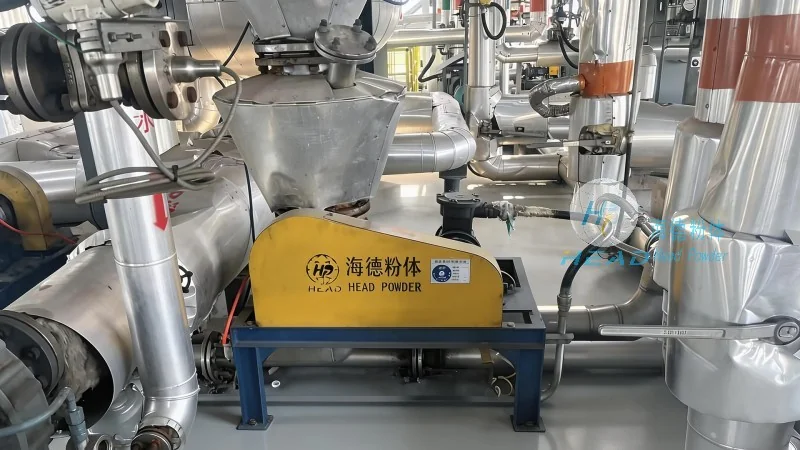
- Minimizing Powder Loss and Dust Generation: Heavy calcium powder is prone to dusting and loss during handling. Proper sealing, enclosed systems, and dust collection mechanisms are essential to prevent environmental contamination and material loss.
- Ensuring Uniform Flow and Preventing Caking: The cohesive nature of heavy calcium powder can lead to caking and blockages in conveying systems. Designing systems with appropriate angles of repose, vibration, and material flow control helps maintain uniform flow and prevent clogging.
- Optimizing Energy Efficiency: Material handling systems should be designed to minimize energy consumption while maintaining performance. This includes selecting appropriate conveyor types, motor sizes, and system layouts that balance efficiency with operational requirements.
- Enhancing Safety and Compliance: Handling heavy calcium powder involves potential health and safety risks, including respiratory hazards from dust exposure. Design principles must incorporate safety features such as dust suppression systems, proper ventilation, and compliance with industrial safety regulations.
Common Equipment Used in Heavy Calcium Powder Handling
Several types of equipment are commonly used in heavy calcium powder material handling systems. These include:
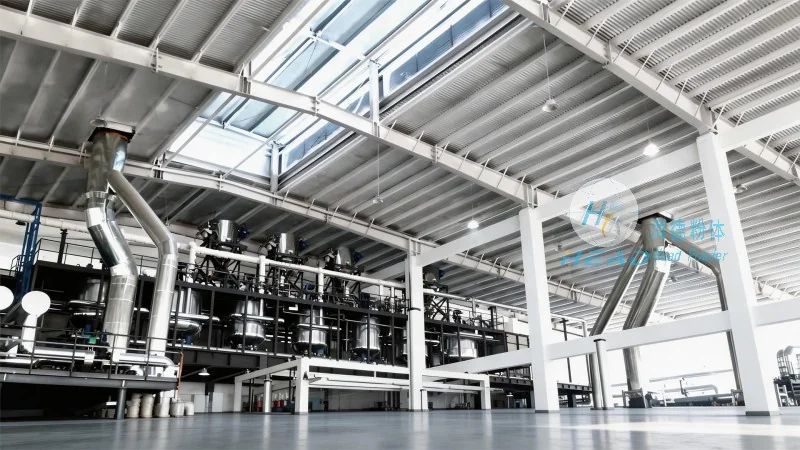
- Air Conveying Systems: Air-assisted conveying systems use compressed air to transport heavy calcium powder through pipelines. This method is effective for fine powders and can handle long distances and multiple transfers. However, it requires careful control of air pressure and flow to prevent material degradation or blockages.
- Pneumatic Conveyors: Similar to air conveying, pneumatic conveyors use a combination of air and material to move powder. They are suitable for both low and high-volume applications and can be designed as positive or negative pressure systems depending on the specific requirements.
- Bucket Elevators: Bucket elevators are vertical or inclined conveyors that use buckets to lift and transport heavy calcium powder. They are ideal for vertical material movement and can handle large quantities of material with minimal space requirements.
- Pneumatic Screw Conveyors: These conveyors use a rotating screw to move powder through a tube, often combined with air flow to assist in material transport. They are suitable for horizontal or slight incline applications and can handle a wide range of powder types.
Design Considerations for Heavy Calcium Powder Handling Systems
When designing a heavy calcium powder material handling system, several factors must be considered to ensure optimal performance. These include:
- Material Properties: The particle size distribution, moisture content, and flow characteristics of the heavy calcium powder must be evaluated to select appropriate equipment and system configurations.
- System Layout and Integration: The layout of the material handling system should be integrated with the overall production process to minimize material handling time and distance. This includes considering the location of storage silos, processing equipment, and discharge points.
- Environmental and Safety Requirements: Compliance with local environmental regulations and safety standards is crucial. This includes proper dust collection, ventilation, and worker protection measures.
- Maintenance and Operational Costs: The design should consider the long-term maintenance requirements and operational costs of the system. This includes selecting durable equipment, easy-to-clean components, and energy-efficient motors.
Conclusion
Heavy calcium powder material handling is a complex process that requires careful consideration of the material's properties and the design principles that guide system implementation. By incorporating proper equipment, system layout, and safety measures, manufacturers can ensure efficient and cost-effective handling of heavy calcium powder. The expertise of companies like Shandong HeadPowder Engineering Co., Ltd., with its location in Shandong, China, plays a vital role in providing tailored material handling solutions that meet the specific needs of industrial applications.