

What is Vanadium Oxide Material Handling? And What Are Its Design Principles?
Vanadium oxide material handling systems are critical components in industrial processes, particularly in the production and processing of vanadium compounds. These systems are engineered to efficiently transport vanadium oxide materials from one point to another within a facility, ensuring safety, efficiency, and reliability. Understanding the design principles behind such systems is essential for optimizing operations and maintaining compliance with industry standards.
Understanding Vanadium Oxide Material Handling
Vanadium oxide, often used in the production of vanadium pentoxide and other vanadium-based chemicals, requires specialized handling due to its chemical properties and potential hazards. Material handling systems for vanadium oxide must address issues such as dust control, chemical stability, and the prevention of contamination. The design of these systems typically involves a combination of equipment, including conveyors, storage silos, and transfer mechanisms, all tailored to the specific characteristics of vanadium oxide.
Key Design Principles for Vanadium Oxide Material Handling
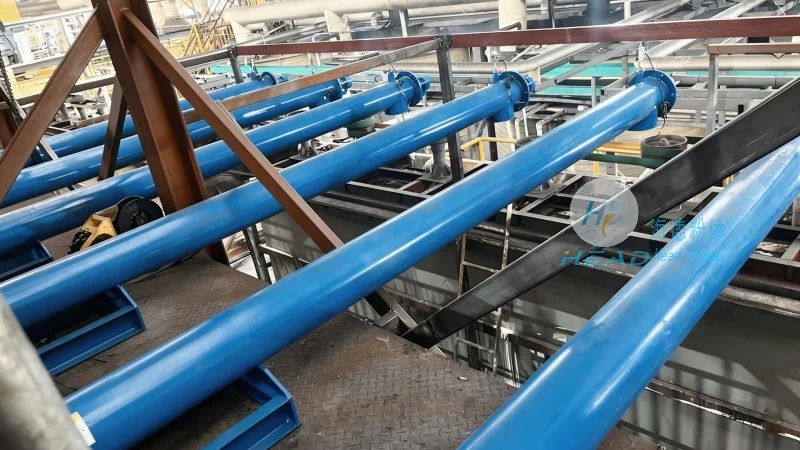
The design of vanadium oxide material handling systems is guided by several fundamental principles aimed at ensuring operational efficiency and safety. One of the primary principles is the minimization of dust generation and exposure. This is achieved through the use of enclosed systems, such as pneumatic conveyors or enclosed belt conveyors, which prevent the release of fine particles into the air. Additionally, the systems are designed to maintain a controlled environment, often with negative pressure or dust filtration, to protect both personnel and the material itself from contamination.
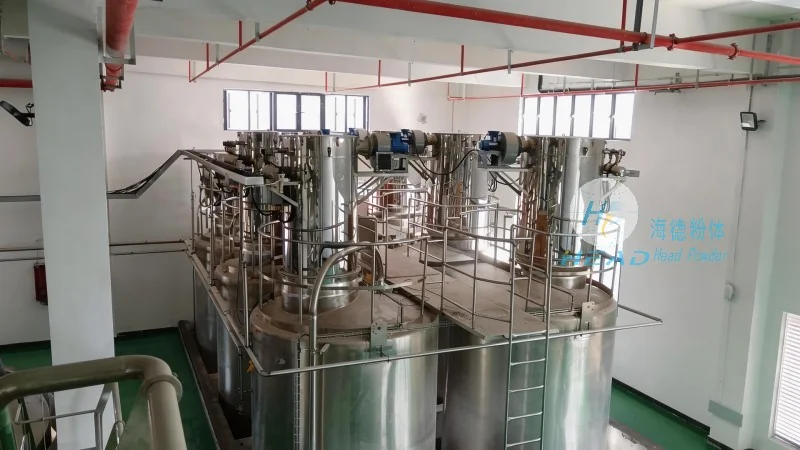
Another critical design principle is the prevention of material degradation. Vanadium oxide can be sensitive to moisture and temperature changes, which may affect its chemical properties and usability. Therefore, the handling system must incorporate features like temperature control, moisture-proofing, and proper sealing to preserve the quality of the material. This includes the use of insulated storage vessels and temperature-regulated conveyor sections to maintain optimal conditions throughout the material's journey.
Equipment Selection and Integration
The selection of equipment for vanadium oxide material handling is a critical decision that impacts the overall performance of the system. Common equipment includes screw conveyors, bucket elevators, and pneumatic conveying systems. Screw conveyors are often used for horizontal or slight incline transport due to their ability to handle bulk materials without the need for external power sources beyond the motor. Bucket elevators, on the other hand, are ideal for vertical transport, providing a reliable means of moving vanadium oxide from lower to higher levels within a facility.
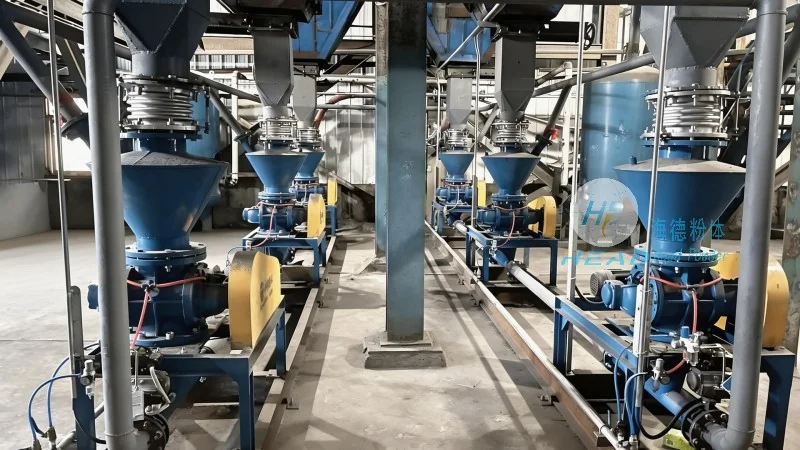
Pneumatic conveying systems, which use air to transport material through a pipeline, offer advantages such as enclosed transport and the ability to handle fine powders. However, they require careful consideration of air pressure, flow rates, and material characteristics to ensure efficient and safe operation. The integration of these equipment types into a cohesive system is essential, as each component must work in harmony to achieve the desired material handling objectives.
Safety and Compliance Considerations
Safety is a paramount concern in the design and operation of vanadium oxide material handling systems. Due to the potential health risks associated with vanadium oxide dust, systems must be designed to minimize exposure. This includes the use of personal protective equipment (PPE) for operators, as well as engineering controls like local exhaust ventilation and dust collection systems. Additionally, the systems must comply with relevant regulations and standards, such as those from the Occupational Safety and Health Administration (OSHA) and the Environmental Protection Agency (EPA), to ensure environmental and occupational safety.
Proper maintenance and regular inspections are also integral to the safety and reliability of the system. Vanadium oxide handling equipment is subject to wear and tear, and regular checks can help identify potential issues before they become major problems. This includes monitoring for leaks, ensuring proper sealing, and maintaining the condition of conveyor belts and other components. By adhering to these safety and compliance principles, companies can ensure that their vanadium oxide material handling systems operate effectively while protecting their workforce and the environment.
Conclusion
Vanadium oxide material handling systems are complex and specialized, requiring careful consideration of design principles, equipment selection, and safety measures. By adhering to the principles outlined above, companies can develop efficient and reliable systems that meet the demands of modern industrial processes. The expertise of companies like Shandong HeadPowder Engineering Co., Ltd. is crucial in designing and implementing these systems, ensuring that they are tailored to the specific needs of each operation. With the right design and implementation, vanadium oxide material handling systems can enhance productivity, reduce costs, and maintain the highest standards of safety and environmental responsibility.