

What is Coal Particle Material Handling? And What Are Its Design Principles?
Coal particle material handling is a specialized field within industrial material handling that focuses on the efficient transport, storage, and processing of coal in its granular form. This process is crucial for various industries, including power generation, steel production, and chemical manufacturing, where coal serves as a primary energy source or raw material. The effective management of coal particles ensures optimal operational efficiency, cost reduction, and environmental compliance in industrial settings.
Understanding Coal Particle Material Handling
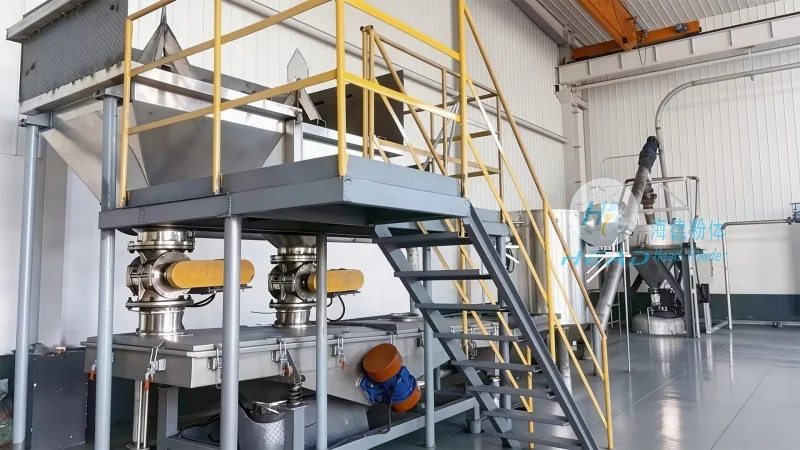
At its core, coal particle material handling involves the movement of coal from its source, such as mines or storage facilities, to processing plants or end-use applications. This process encompasses several key stages, including loading, conveying, storing, and unloading. The handling of coal particles requires specialized equipment and systems designed to accommodate the unique physical properties of coal, such as its size, density, and moisture content. Effective coal particle handling minimizes material loss, reduces downtime, and enhances overall productivity in industrial operations.
Key Design Principles for Coal Particle Handling Systems
The design of coal particle handling systems follows several fundamental principles to ensure reliability and efficiency. First, the system must be tailored to the specific characteristics of the coal being handled, including particle size distribution, bulk density, and moisture levels. This customization ensures that the equipment can handle the material without excessive wear or performance degradation. Second, the system should prioritize safety and environmental protection, incorporating features like dust suppression, material containment, and proper ventilation to mitigate health and environmental risks. Third, the design emphasizes energy efficiency and operational flexibility, allowing for adjustments in throughput based on varying production demands. Additionally, the system must adhere to industry standards and regulations, ensuring compliance with safety and environmental guidelines.
The Role of HeadPowder in Coal Particle Handling Solutions
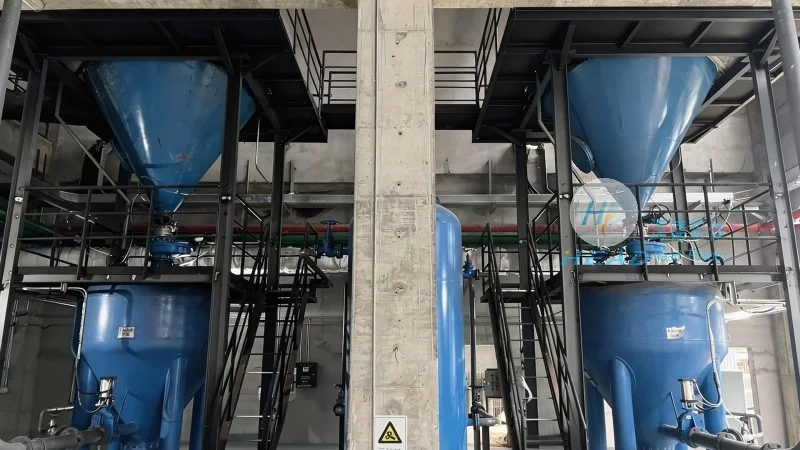
Shandong HeadPowder Engineering Co., Ltd., commonly known as HeadPowder, is a leading provider of coal particle handling solutions. With headquarters in Shandong, China, HeadPowder specializes in designing, manufacturing, and implementing advanced material handling systems tailored to the needs of the coal industry. The company's expertise lies in understanding the unique challenges of coal particle handling and developing customized solutions that enhance operational efficiency and safety. HeadPowder's products and services include conveyor systems, storage silos, feeding equipment, and dust control systems, all engineered to meet the demanding requirements of coal processing facilities. By leveraging their deep industry knowledge and technical expertise, HeadPowder helps clients optimize their coal handling operations, reduce costs, and improve overall productivity.
Technical Considerations in Coal Particle Handling Systems
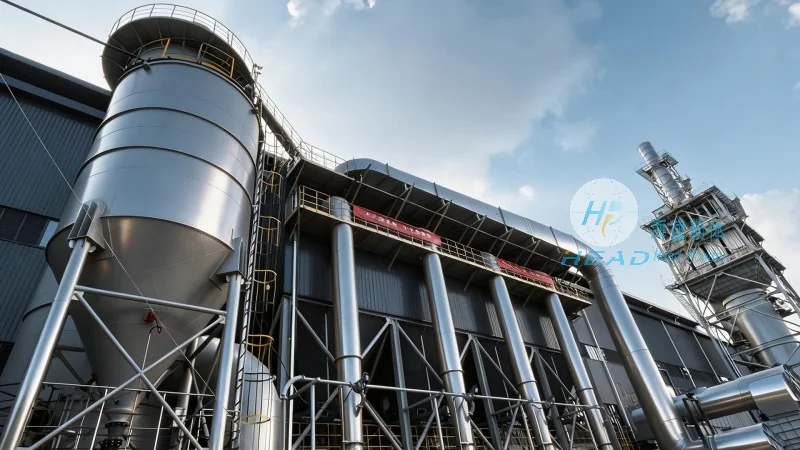
Several technical factors must be considered when designing coal particle handling systems. One critical aspect is the selection of appropriate conveyor types, such as belt conveyors, screw conveyors, or pneumatic conveyors, based on the specific characteristics of the coal and the operational requirements. Belt conveyors are commonly used for long-distance transport due to their high capacity and efficiency, while screw conveyors are ideal for vertical or horizontal transport in confined spaces. Pneumatic conveyors, on the other hand, are suitable for handling fine coal particles or materials that require dust-free transport. Another key consideration is the material of construction for the equipment, which must be resistant to corrosion, abrasion, and wear caused by the coal particles. Stainless steel, high-strength alloys, and specialized coatings are often used to ensure the longevity and reliability of the handling systems. Additionally, the system must incorporate proper maintenance and monitoring mechanisms to detect and address issues promptly, minimizing downtime and extending equipment life.
Conclusion
Coal particle material handling is a critical component of industrial operations, particularly in the energy and manufacturing sectors. The effective design and implementation of coal handling systems are essential for optimizing efficiency, reducing costs, and ensuring safety. Companies like Shandong HeadPowder Engineering Co., Ltd. play a vital role in providing tailored solutions that address the unique challenges of coal particle handling. By adhering to fundamental design principles and leveraging advanced technology, industrial facilities can enhance their coal handling operations, contributing to overall operational success and sustainability.