

What is Solids Powder Material Handling? And What Are Its Design Principles?
Solid powder material handling is a critical process in various industrial sectors, involving the movement, storage, and control of bulk solid materials in powder form. This technology is essential for efficient production and logistics in industries such as pharmaceuticals, food processing, chemicals, and manufacturing. The core of this process lies in understanding the unique properties of powders—such as flowability, compressibility, and particle size—and designing systems that can effectively manage these materials without compromising quality or safety.
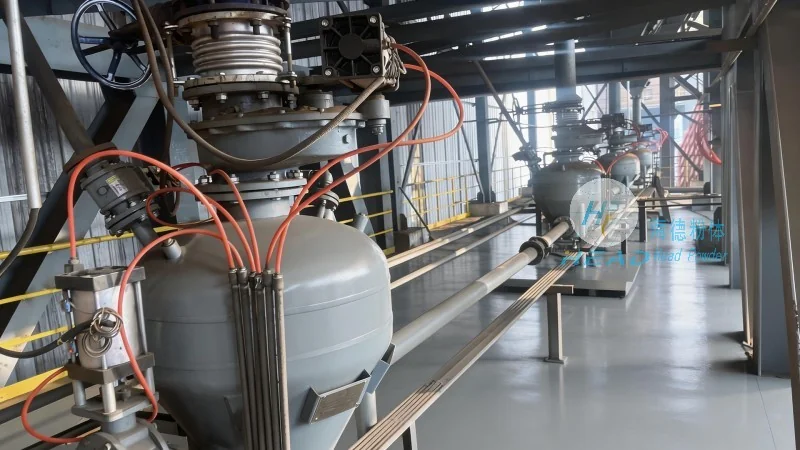
Key Components of Solids Powder Material Handling Systems
Effective solids powder handling systems typically consist of several key components that work in tandem to ensure smooth operation. These components include feeders, conveyors, storage silos, and control systems. Each component is tailored to the specific characteristics of the powder being handled, ensuring optimal performance and minimal material loss. For instance, feeders are used to regulate the flow rate of powders from storage silos to processing equipment, while conveyors transport the material over longer distances or to different parts of the facility. Storage silos are designed to hold large quantities of powder while maintaining consistent conditions, such as temperature and humidity, to prevent degradation or caking.
Design Principles for Solids Powder Handling
The design of solids powder handling systems follows several fundamental principles aimed at maximizing efficiency, safety, and material integrity. One of the primary principles is the prevention of material degradation, which can occur due to factors like moisture absorption, agglomeration, or excessive shear. Engineers design systems with appropriate materials of construction, such as stainless steel or corrosion-resistant alloys, to minimize chemical reactions with the powder. Additionally, the system layout is carefully planned to minimize the number of transfer points and the height of vertical conveyors, reducing the risk of material degradation and improving overall throughput.
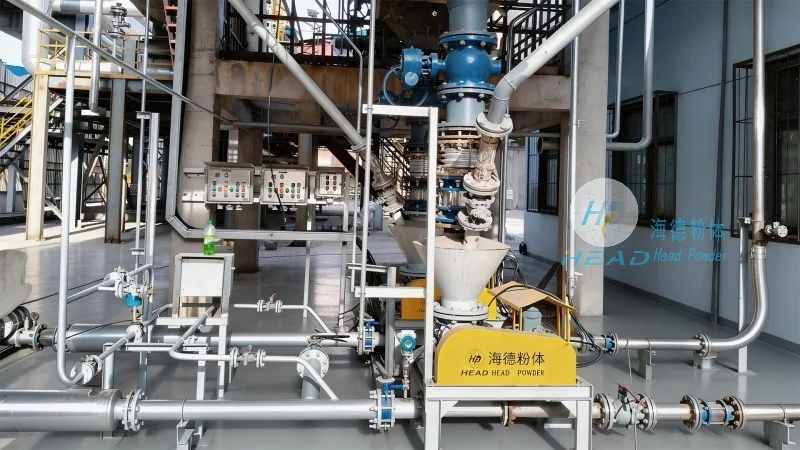
Another critical design principle is the management of powder flow and pressure. Powders can exhibit different flow behaviors, from free-flowing to cohesive, which affects how they move through the system. Engineers use flow aids, such as vibrators or air cannons, to improve flowability and prevent blockages in hoppers and silos. The design also considers the pressure drop across the system, as excessive pressure can lead to equipment failure or material spillage. By optimizing the system's pressure profile, engineers ensure consistent material flow and reduce maintenance costs.
Role of Material Properties in System Design
The physical and chemical properties of the powder being handled play a pivotal role in determining the system design. Particle size distribution, for example, affects the powder's flowability and settling behavior. Coarser powders tend to flow more freely, while fine powders may require special handling to prevent dust generation and caking. Moisture content is another critical factor, as high moisture levels can lead to agglomeration and reduced flowability. Engineers conduct thorough material testing to characterize these properties and select appropriate equipment, such as screw feeders for cohesive powders or pneumatic conveyors for fine powders.
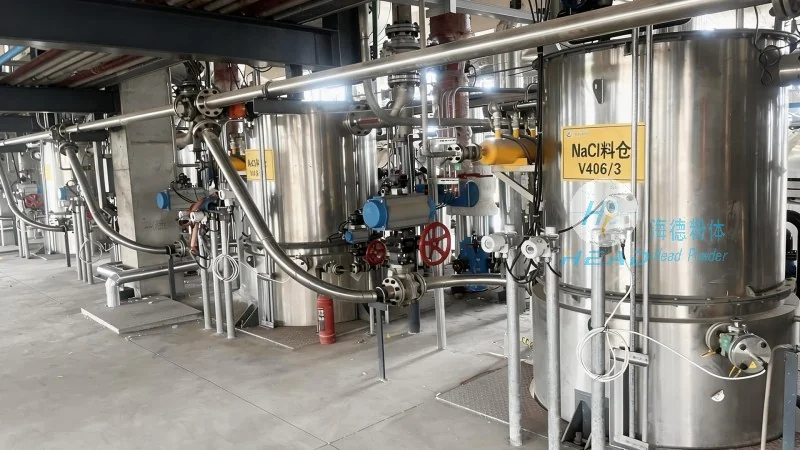
Applications and Industries Benefiting from Solids Powder Handling
Solids powder handling systems are widely used across various industries, each with unique requirements. In the pharmaceutical industry, for example, the systems must meet stringent regulatory standards for cleanliness and material purity. The design incorporates features like closed-loop systems and sterile processing to ensure that the powders are handled without contamination. In the food industry, the systems are designed to maintain food safety and prevent cross-contamination, using materials that are food-grade and easy to clean. The chemical industry uses solids powder handling for transporting raw materials and finished products, often involving high-temperature or corrosive materials, which requires robust equipment and proper ventilation.
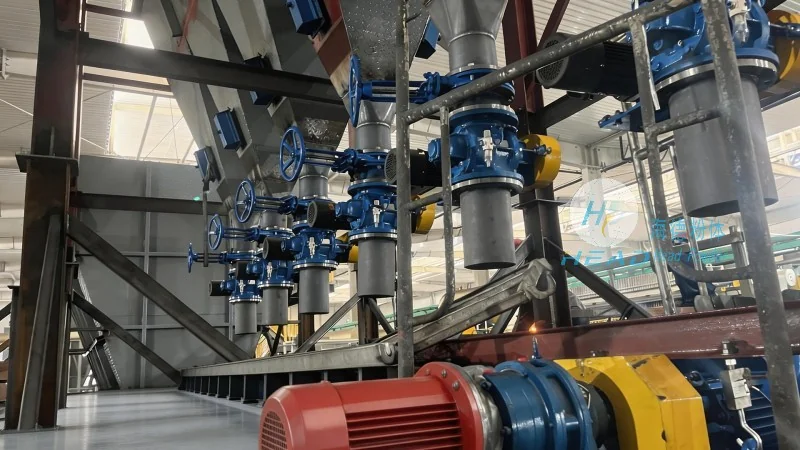
Case Study: Solids Powder Handling Solutions by Shandong HeadPowder Engineering Co., Ltd.
Shandong HeadPowder Engineering Co., Ltd., a leading provider of solids powder handling solutions, specializes in designing and manufacturing customized systems tailored to the specific needs of clients. With a focus on innovation and quality, the company has developed advanced technologies to address the unique challenges of powder handling. For instance, their systems incorporate intelligent control systems that monitor flow rates, pressure, and temperature in real-time, allowing for immediate adjustments to maintain optimal performance. The company's expertise in material testing and system integration ensures that each solution is tailored to the client's operational requirements, resulting in improved efficiency and reduced downtime.
HeadPowder's solutions are designed to meet the highest industry standards, with a commitment to safety and sustainability. The company's facilities are located in Shandong, China, where they leverage local expertise and resources to deliver reliable and cost-effective solutions. By combining advanced engineering with practical application, HeadPowder has become a trusted partner for businesses seeking to optimize their solids powder handling processes. Their systems are built to last, with durable components and minimal maintenance requirements, providing long-term value to clients.