

What is Epoxy Resin Material Handling? What Are the Design Principles?
Epoxy resin material handling refers to the processes and systems used to transport, store, and manage epoxy resin materials in industrial settings. This encompasses a range of activities from initial storage in bulk containers to precise dispensing for manufacturing applications. The efficiency and safety of epoxy resin handling are critical in industries such as construction, electronics, and automotive, where epoxy resins are used for adhesives, coatings, and composites. Proper material handling ensures consistent quality, minimizes waste, and reduces operational risks associated with handling potentially hazardous or sensitive materials.
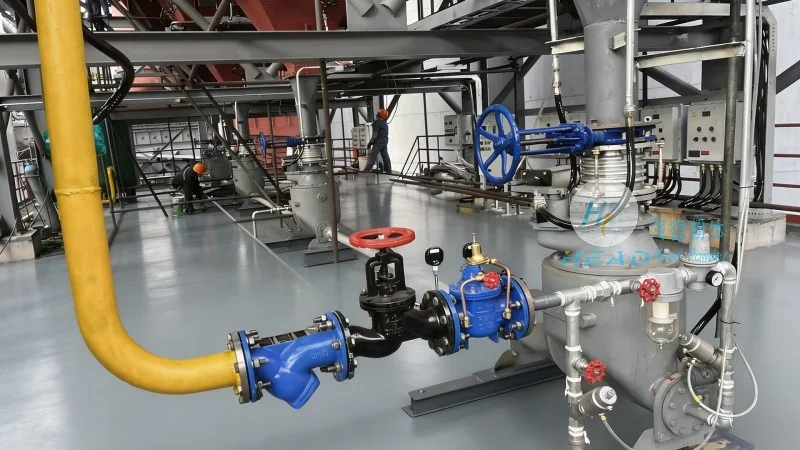
At Shandong HeadPowder Engineering Co., Ltd., we specialize in designing and implementing advanced material handling solutions tailored to the unique requirements of epoxy resin applications. Our expertise lies in understanding the chemical properties of epoxy resins, which often involve high viscosity, sensitivity to temperature, and the need for contamination-free environments. By integrating robust engineering principles with industry best practices, we develop systems that optimize workflow while maintaining compliance with safety standards.
Key Components of Epoxy Resin Handling Systems
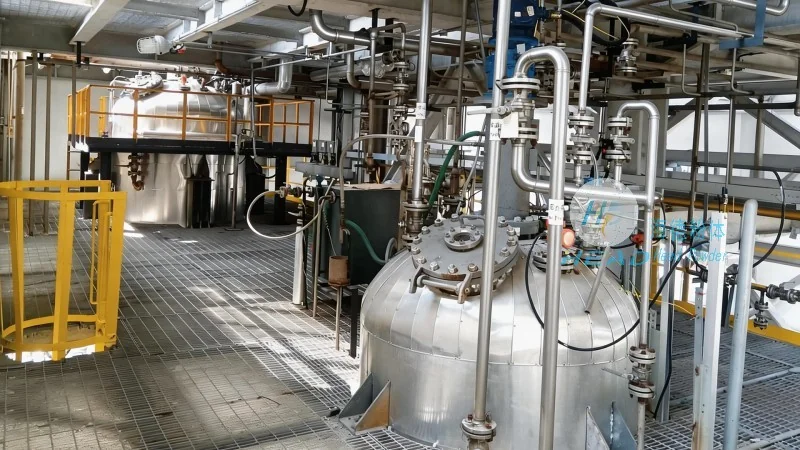
The core components of an effective epoxy resin material handling system include bulk storage tanks, transfer pumps, piping networks, and control valves. Bulk storage tanks are typically made from materials like stainless steel or specialized epoxy-resistant alloys to prevent chemical degradation and ensure long-term durability. These tanks are equipped with agitators or mixing mechanisms to maintain the resin's consistency, especially for high-viscosity formulations. Transfer pumps, often centrifugal or positive displacement types, are selected based on the resin's viscosity and flow rate requirements. They ensure smooth and continuous movement of the material from storage to processing units. Piping systems are designed with smooth, corrosion-resistant interiors to minimize friction and maintain the resin's integrity. Control valves, such as ball or gate valves, regulate the flow rate and direction, providing precise control over dispensing operations.
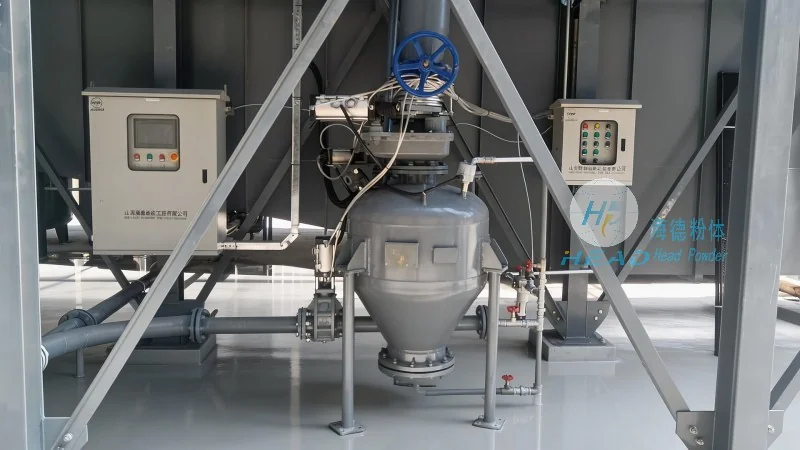
Additionally, many systems incorporate temperature control units, such as heating or cooling jackets, to maintain the epoxy resin within its optimal processing temperature range. This is crucial because epoxy resins often have narrow processing windows, where temperature fluctuations can affect cure time and product quality. The integration of these components into a cohesive system requires careful consideration of material compatibility, pressure ratings, and operational efficiency.
Design Principles for Epoxy Resin Handling
The design of epoxy resin handling systems follows several key principles aimed at ensuring reliability, safety, and efficiency. First, material compatibility is paramount. All components, from tanks to pumps and piping, must be resistant to the chemical properties of the epoxy resin, including its acidity, alkalinity, and potential for chemical reactions. Stainless steel, PTFE-coated materials, or specialized epoxy-resistant alloys are commonly used to prevent corrosion and contamination. Second, the system must be designed for minimal contamination. Epoxy resins are often sensitive to moisture, oxygen, and other impurities, which can affect cure properties. Therefore, systems include features like air-tight seals, inert gas purging, and filtration to maintain a clean environment. Third, the system must accommodate the resin's viscosity and flow characteristics. High-viscosity resins require specialized pumps and larger diameter piping to ensure smooth transfer, while low-viscosity resins may use different pump types and smaller lines.
Fourth, safety considerations are integrated into the design. Epoxy resins can be hazardous, posing risks of skin irritation, respiratory issues, or chemical burns. The system includes safety features such as pressure relief valves, emergency shut-off mechanisms, and proper ventilation to mitigate these risks. Additionally, the design emphasizes ergonomic and operational ease, allowing operators to control and monitor the system efficiently. This includes user-friendly control panels, real-time monitoring of temperature and pressure, and automated processes to reduce human error.
Applications and Benefits of Epoxy Resin Handling Systems
Epoxy resin handling systems are widely used in various industries, including construction, electronics, and aerospace. In construction, they are used for manufacturing epoxy coatings for flooring, concrete repair, and structural adhesives. The precision of these systems ensures consistent thickness and adhesion, leading to durable and long-lasting applications. In electronics, epoxy resins are used for potting and encapsulating components, protecting them from environmental factors and mechanical stress. The ability to handle these resins with high accuracy and minimal contamination is critical for maintaining the performance and reliability of electronic devices. In aerospace, epoxy resins are used in composite materials, where the handling system ensures uniform mixing and application, contributing to the structural integrity of aircraft components.
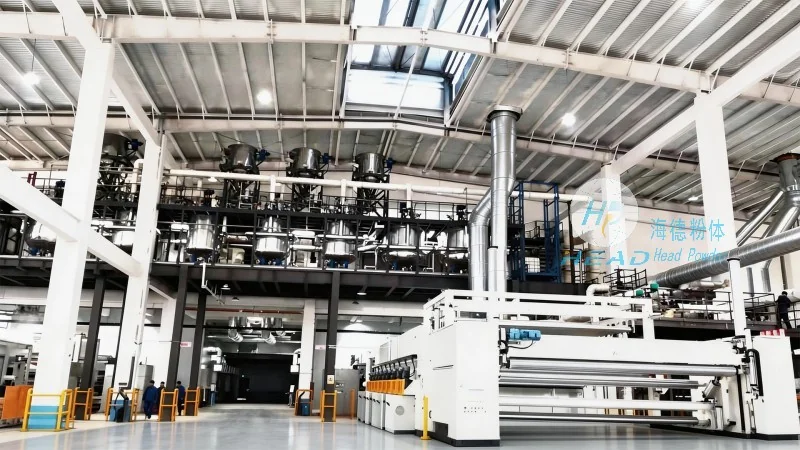
The benefits of using advanced epoxy resin handling systems extend beyond operational efficiency. By reducing waste and improving product consistency, these systems lower production costs and enhance overall quality. The integration of temperature control and precise dispensing minimizes defects and rework, leading to higher customer satisfaction. Additionally, the safety features incorporated into the design protect both personnel and the environment, ensuring compliance with regulatory standards. For companies like Shandong HeadPowder Engineering Co., Ltd., these systems represent a critical investment in process optimization and competitive advantage.
Conclusion and Company Overview
Understanding epoxy resin material handling and its design principles is essential for industries relying on these materials. The systems developed by Shandong HeadPowder Engineering Co., Ltd. combine advanced engineering with practical application expertise to deliver reliable, efficient, and safe solutions. By focusing on material compatibility, contamination control, and operational efficiency, these systems support the production of high-quality epoxy resin products. As a leading provider in the field, the company continues to innovate and adapt to the evolving needs of its clients, ensuring that epoxy resin handling remains a cornerstone of industrial success.