

What is Textile Fiber Material Handling? And What Are Its Design Principles?
Textile fiber material handling is a critical process in the textile manufacturing industry, involving the movement and transfer of raw fibers and processed materials from one stage of production to another. This process ensures efficient workflow, minimizes material loss, and maintains the quality of the fibers throughout the production chain. Understanding the principles behind this handling system is essential for optimizing textile production operations.
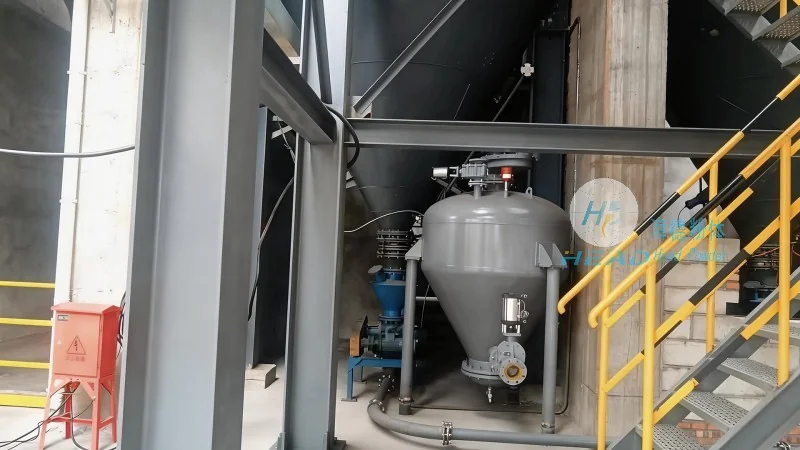
Understanding Textile Fiber Material Handling
Textile fiber material handling encompasses various activities, including loading, transporting, unloading, and storing fibers and related materials. These materials can range from raw natural fibers like cotton, wool, or silk to synthetic fibers such as polyester or nylon. The handling process is integral to the entire textile production cycle, starting from the reception of raw materials and extending to the delivery of finished textile products. Efficient material handling systems are crucial for reducing downtime, improving productivity, and ensuring consistent quality in textile manufacturing.
The Core Design Principles of Textile Fiber Handling Systems
The design of textile fiber material handling systems is guided by several key principles that ensure optimal performance and reliability. These principles include:
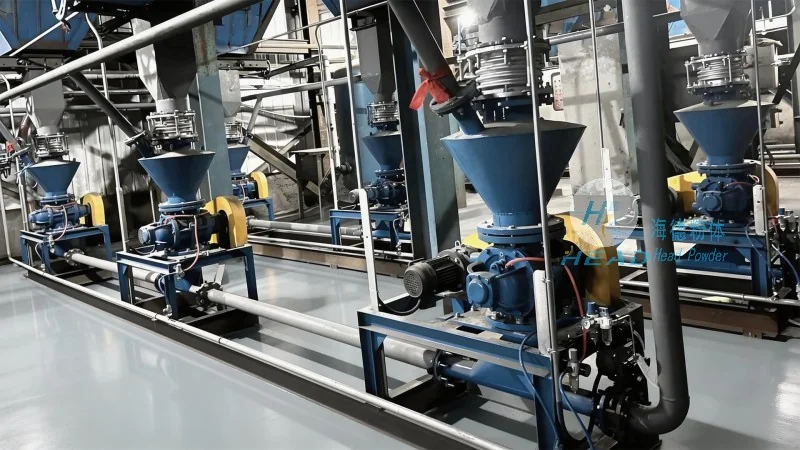
- Material Compatibility: The equipment must be suitable for the specific type of fiber being handled, considering factors like fiber length, stiffness, and moisture content. For instance, handling fine cotton fibers requires different equipment than handling coarse wool fibers.
- System Integration: The handling system should be integrated seamlessly with other production processes, such as blending, carding, and spinning. This integration ensures smooth material flow and minimizes bottlenecks in the production line.
- Energy Efficiency: Modern textile handling systems are designed to be energy-efficient, reducing operational costs while maintaining high performance. This includes the use of advanced motor technologies and optimized system layouts.
- Space Optimization: Given the often limited space in textile factories, the design must maximize the use of available area without compromising functionality. This may involve compact equipment designs and vertical storage solutions.
- Safety and Maintenance: The handling system should incorporate safety features to protect operators and prevent accidents. Additionally, the design should facilitate easy maintenance and repairs, reducing downtime and maintenance costs.
Key Components of Textile Fiber Handling Equipment
Textile fiber handling systems typically consist of several key components that work together to achieve efficient material movement. These components include:
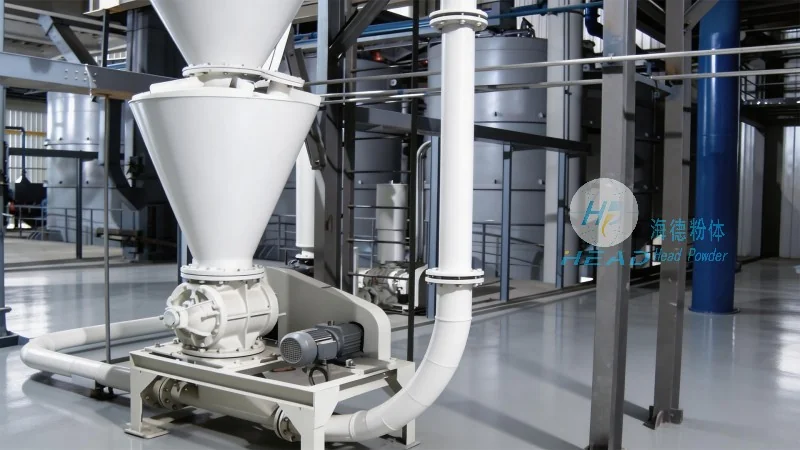
- Conveyors: Conveyors are the most common equipment used in textile fiber handling. They can be belt conveyors, chain conveyors, or pneumatic conveyors, depending on the material and application. Belt conveyors are ideal for handling loose fibers and bales, while pneumatic conveyors are suitable for transporting fine fibers over long distances.
- Feeders: Feeders are used to regulate the flow of fibers into the processing machinery. They ensure a consistent and controlled supply of material, preventing overloading or underloading of the equipment.
- Storage Systems: Storage systems, such as silos or hoppers, are used to store raw fibers and processed materials. These systems help maintain material quality and provide a buffer for fluctuations in production demand.
- Control Systems: Modern textile handling systems are equipped with advanced control systems that monitor and regulate the operation of the equipment. These systems can include sensors, programmable logic controllers (PLCs), and human-machine interfaces (HMIs) to ensure precise control and real-time monitoring.
HeadPowder Engineering Co., Ltd.: Experts in Textile Fiber Handling Solutions
Shandong HeadPowder Engineering Co., Ltd., a leading manufacturer based in China, specializes in providing comprehensive textile fiber handling solutions. With years of experience in the industry, HeadPowder has developed a range of high-quality equipment tailored to the specific needs of textile manufacturers. The company's commitment to innovation and customer satisfaction has made it a trusted partner for businesses seeking to optimize their fiber handling processes.
Address and Contact Information
HeadPowder Engineering Co., Ltd. is located in Shandong, China, providing a strategic base for serving clients both domestically and internationally. The company's headquarters is situated in a modern facility equipped with advanced manufacturing capabilities and research and development resources.