

What is Algae Residue Granular Material Conveying? And What Are Its Design Principles?
Algae residue granular material conveying refers to the process of transporting granular materials derived from algae processing operations. These materials often include dried or processed algae byproducts that are converted into granular forms for easier handling and utilization. The efficient movement of such materials is crucial in industrial settings where algae-based products are produced, as it directly impacts production efficiency, cost management, and environmental sustainability. Understanding the mechanisms and design principles behind this conveying process is essential for optimizing operations in sectors like biofuel production, fertilizer manufacturing, or waste management.
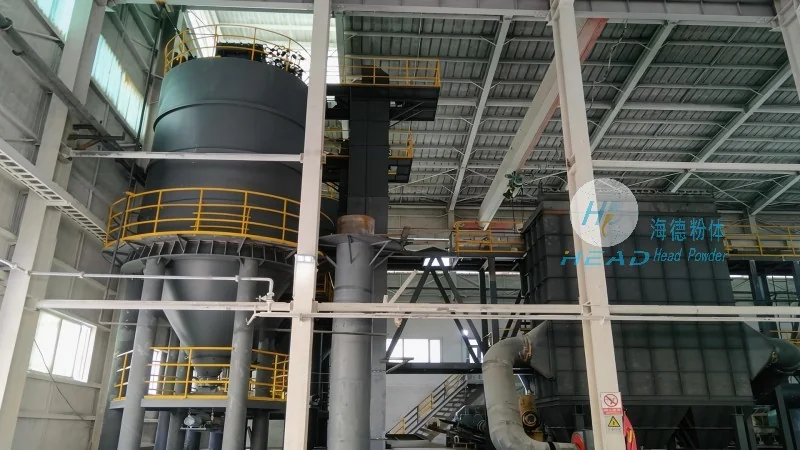
Overview of HeadPowder's Engineering Solutions
Shandong HeadPowder Engineering Co., Ltd., a leading provider of specialized engineering solutions, has developed advanced systems tailored to the unique challenges of algae residue granular material handling. Based in Shandong, China, HeadPowder leverages decades of experience in material handling technology to design, manufacture, and implement conveyance systems that meet the specific needs of clients in the algae processing industry. The company’s approach focuses on integrating robust engineering with practical application, ensuring that each system is not only efficient but also durable and cost-effective.
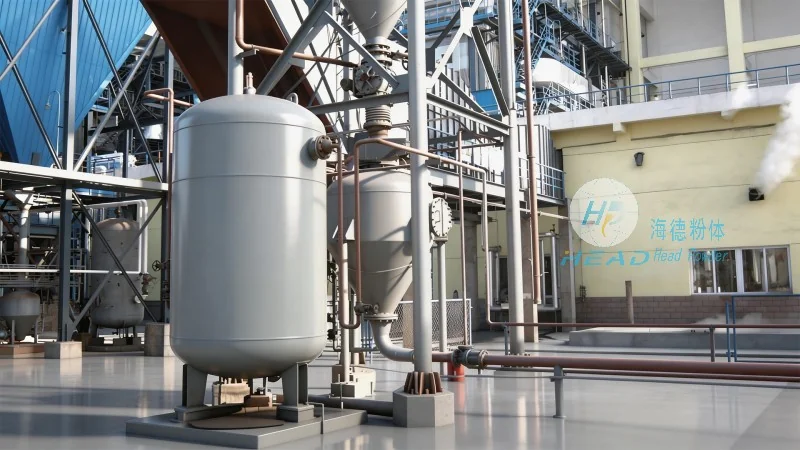
Key Design Principles for Efficient Conveying Systems
The design of an effective algae residue granular material conveying system relies on several critical principles. First, the system must accommodate the physical properties of the granular material, such as particle size, moisture content, and flowability. This involves selecting appropriate conveyor types, such as screw conveyors, belt conveyors, or pneumatic systems, based on the material’s characteristics. Second, the system must ensure minimal material degradation during transport, which is vital for maintaining the quality of the algae residue. This is achieved through careful selection of materials for conveyor components and the implementation of gentle handling mechanisms. Third, energy efficiency is a key design consideration, as conveying systems can be significant energy consumers. HeadPowder’s designs incorporate energy-saving features, such as variable speed drives and optimized system layouts, to reduce operational costs while maintaining performance.
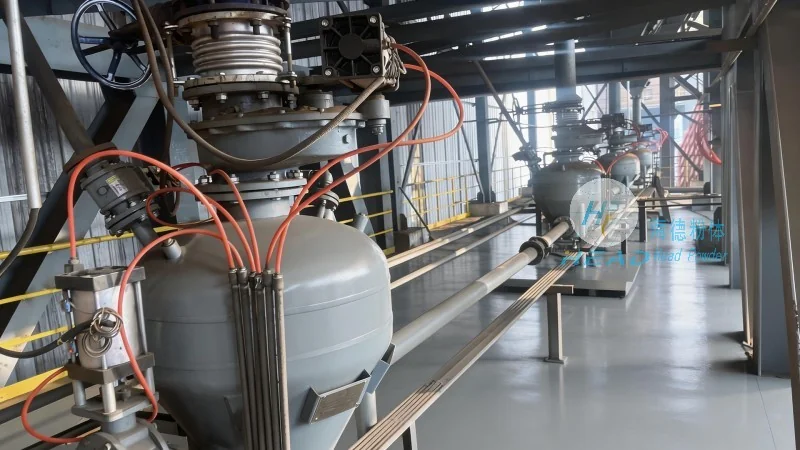
Components and Mechanisms in Granular Material Handling
A typical algae residue granular material conveying system consists of several interconnected components. The primary components include the feed hopper, which holds the granular material and regulates its flow into the conveyor; the conveyor itself, which transports the material from one location to another; and the discharge mechanism, which releases the material at the destination. In many systems, additional components like rotary valves, airlocks, or dust collection systems are integrated to enhance performance and safety. The mechanisms used in these systems vary depending on the conveyor type. For example, screw conveyors use rotating screws to push material forward, while belt conveyors rely on friction between the belt and the material to move it. Pneumatic systems, on the other hand, use air pressure to transport material through a pipeline. Each mechanism is chosen based on factors like material flow rate, distance to be covered, and the need for enclosed or open transport.
Application Scenarios and Operational Benefits
Algae residue granular material conveying systems are widely used in various industrial applications. In biofuel production, these systems transport dried algae residue to storage or processing facilities, where it may be used as a feedstock for biodiesel or biogas production. In fertilizer manufacturing, the conveying systems move algae-derived nutrients to blending and packaging operations. Additionally, in waste management, the systems help in the efficient transport of algae byproducts to recycling or disposal sites. The operational benefits of using such systems include improved production throughput, reduced labor costs, and enhanced safety by minimizing manual handling of granular materials. Furthermore, the systems contribute to environmental sustainability by reducing the need for transportation of bulk materials, thereby lowering carbon emissions.
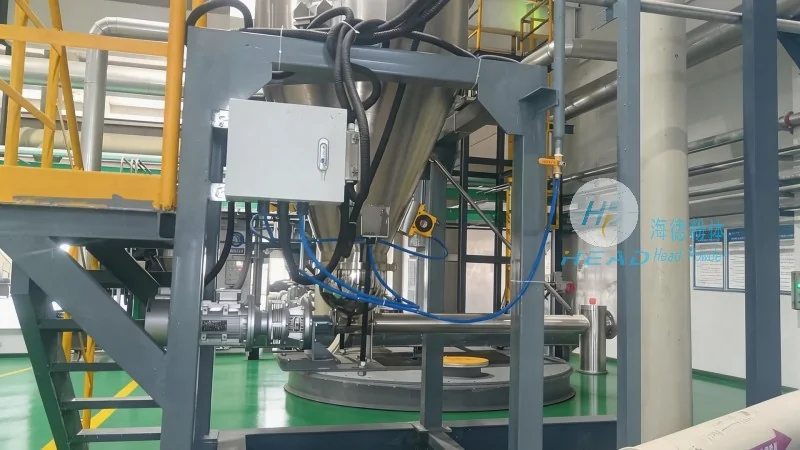
Conclusion and Company Information
In conclusion, algae residue granular material conveying is a critical process in the algae processing industry, and the design principles behind efficient conveying systems are multifaceted. Shandong HeadPowder Engineering Co., Ltd. specializes in providing tailored solutions that address the unique challenges of handling these materials. With a focus on robust engineering, energy efficiency, and material compatibility, HeadPowder’s systems help clients optimize their operations and achieve their production goals. Based in Shandong, China, the company continues to innovate and advance material handling technology to support the growing needs of the algae industry.